

An African-rooted streetwear wardrobe is defined as a collection that fuses culturally significant garments and textiles from across the African continent with contemporary urban silhouettes. To build a streetwear wardrobe with African roots, you start with heritage textiles like Ankara, Aso-oke, Adire, and Kente, then layer them into modern fits built around oversized hoodies, baggy cargos, and drop-shoulder tees. This is not about wearing a costume. It is about wearing your story. The process is gradual and intentional, and the result is a wardrobe that carries cultural weight every single day.
What does it mean to build a streetwear wardrobe with African roots?
African-rooted streetwear sits at the intersection of diaspora identity and urban fashion. Lagos and diaspora hubs like New York operate as a closed-loop aesthetic system that blends traditional textiles with hip-hop and sneaker culture. That means the clothes you wear can carry both a Yoruba grandmother’s craft and a Brooklyn block’s energy at the same time. This fusion is not a trend. It is a living cultural practice that young adults across the diaspora are building into their daily wardrobes.
The standard industry term for this practice is Afrocentric streetwear, sometimes called Afro-diasporic fashion. Both terms describe the same goal: grounding modern urban style in African cultural identity. You will see both used throughout this guide.
Which traditional African textiles belong in your wardrobe?
The foundation of any Afrocentric streetwear wardrobe is a set of garments that carry cultural authority and longevity. These are not decorative additions. They are the core of the wardrobe’s meaning.
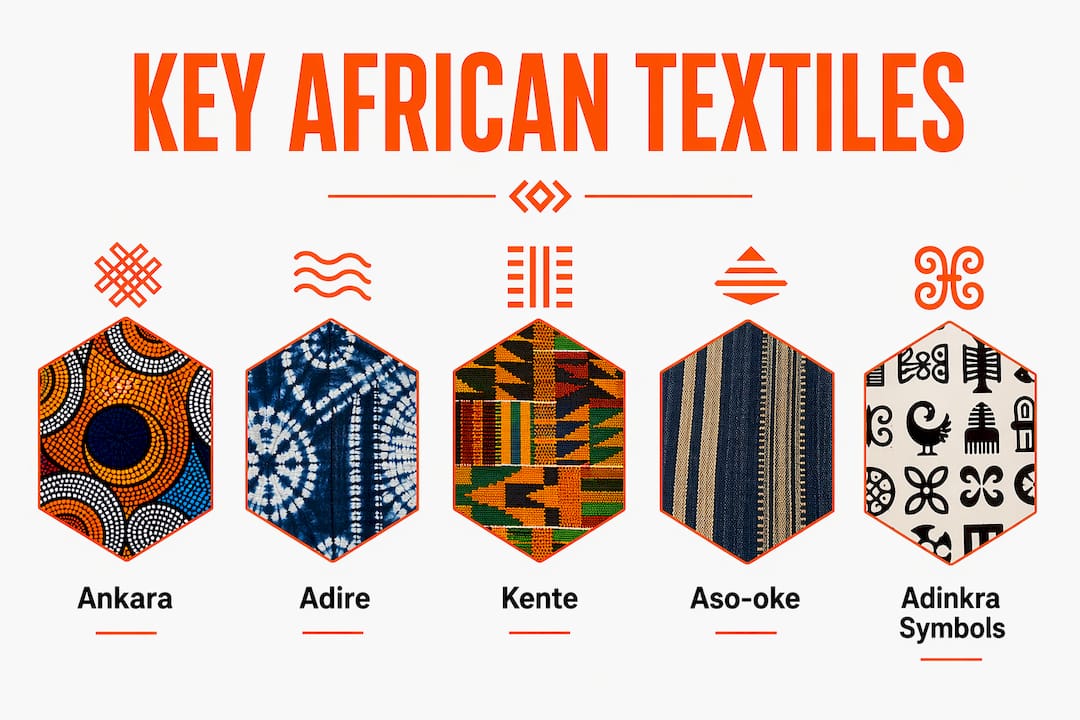
Key textiles and garments to know:
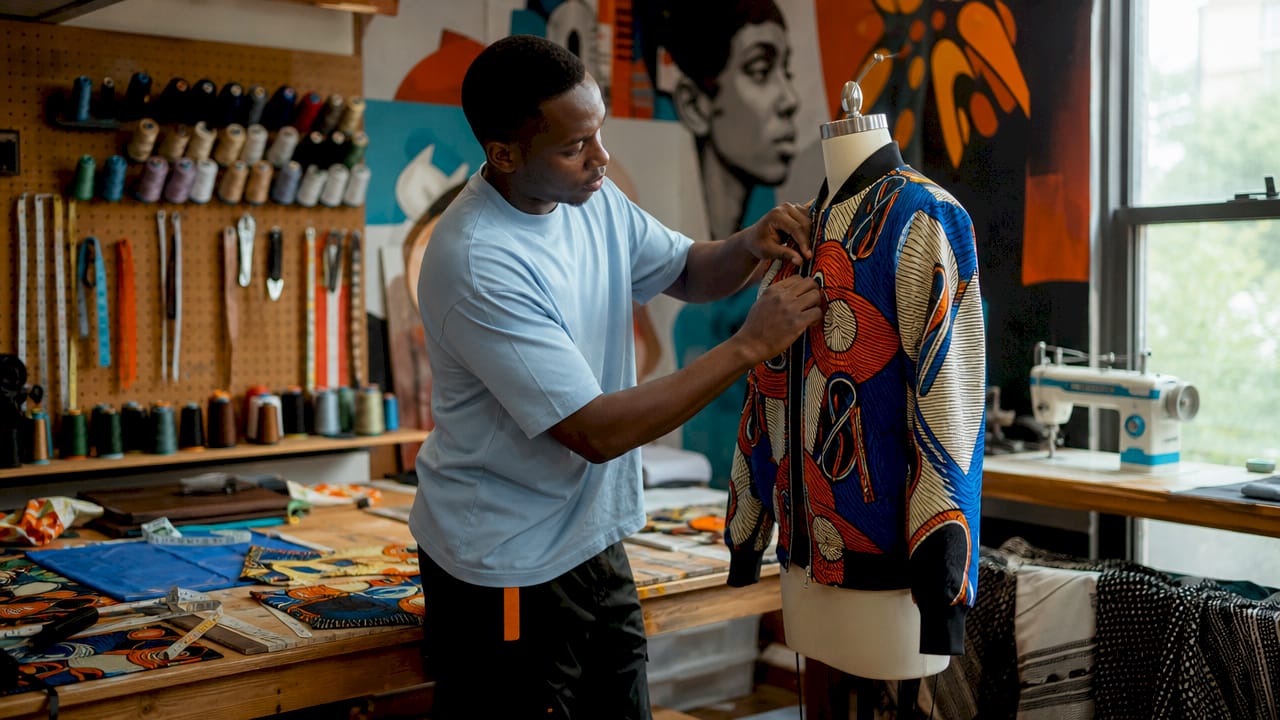
- Ankara (also called African wax print): A bold, geometric cotton fabric produced across West and Central Africa. Ankara works well as bomber jackets, bucket hats, and patchwork accents on denim.
- Aso-oke: A hand-woven Yoruba textile traditionally used for ceremonies. Wide-leg Aso-oke trousers paired with a plain white tee create an outfit that reads as both elevated and street-ready.
- Adire: A Yoruba indigo-dyed cloth with resist-patterning techniques dating back centuries. Adire’s deep blue tones and organic patterns work naturally in streetwear as overshirts or shorts.
- Kente: A silk and cotton strip-woven cloth from Ghana, historically worn by Asante royalty. Kente accents on sleeves or collars add cultural weight without overwhelming a look.
- Kaftans and agbada: Flowing garments that, when tailored to a cropped or structured fit, translate directly into streetwear silhouettes.
Pro Tip: Start with the textile connected to your own family’s regional heritage first. Researching textile origins like Aso-oke or Adire deepens style meaning and helps you wear the garment with genuine knowledge, not just aesthetics.
The cultural storytelling behind each textile is what separates an Afrocentric wardrobe from a costume. When you know that Adire was used as a form of visual communication in Yoruba communities, you wear it differently.
How do you blend African cultural pieces with modern streetwear basics?
The most effective formula for Afrocentric streetwear is one cultural piece paired with two or three neutral basics. Outfits often pair one Ankara bomber or Aso-oke pants with neutral streetwear staples for balance. That balance is what keeps the look urban rather than ceremonial.
Here is a practical step-by-step approach:
- Choose your anchor piece. Pick one garment with strong cultural identity: an Ankara patchwork jacket, a tailored agbada top, or an Adire overshirt. This is the piece that carries the story.
- Build around neutral basics. Pair your anchor piece with a plain white or black drop-shoulder tee, baggy cargo pants in earth tones, or classic white sneakers. Neutral basics let the cultural piece breathe.
- Control the silhouette. Oversized and relaxed fits are the language of streetwear. If your Ankara jacket is structured, balance it with wide-leg pants. If your Aso-oke trousers are voluminous, keep the top fitted.
- Use color as a connector. Pull one color from your cultural piece and repeat it in a small accessory, like a bandana or beanie, to tie the look together without adding more pattern.
- Layer with intention. A plain hoodie worn under an open Ankara jacket adds depth without competing with the print. Layering works best when one layer is solid and the other carries the cultural design.
Pro Tip: Tailoring is the single most underused tool in Afrocentric streetwear. A local tailor can adjust the fit of a traditional garment to match modern streetwear proportions, giving you a piece that looks custom-made and wears like a staple.
Avoiding a costume-like look comes down to restraint. One cultural piece per outfit is the rule. Two or more traditional garments worn together at the same time shifts the balance from streetwear to ceremonial dress, which is a different and valid context, but not the goal here.
Where do you find authentic African-rooted streetwear pieces?
Building an Afrocentric streetwear wardrobe requires authentic sourcing and cultural knowledge. The garment’s origin matters as much as its design.
Sourcing options to prioritize:
- Black-owned brands with community focus. Look for brands that center storytelling and cultural connection in their design process. Afrourbanapparel is built specifically on this principle, producing heavyweight streetwear with African motifs designed for everyday wear, not special occasions.
- Local tailors in African communities. Tailors add embroidery or trims to imported clothing to create garments that speak to local African identities. A tailor who understands Aso-oke or Adire can customize a piece to your exact fit and cultural reference.
- Thrift markets and vintage sourcing. Known in West Africa as “bend-down-select,” thrift markets are a legitimate and creative sourcing method. You can find imported garments and rework them with heritage textile accents for a one-of-a-kind result.
- Diaspora pop-ups and cultural markets. Cities like London, Toronto, Atlanta, and New York host regular African fashion markets where independent designers sell directly to the community.
Pro Tip: When thrifting, look for garments with strong structure: denim jackets, coach jackets, or wide-leg trousers. These are the easiest pieces to customize with Ankara patches, Adire dye, or Kente trim accents.
African streetwear is a locally driven fashion system that emphasizes ethical sourcing and community storytelling over surface-level aesthetics. Buying from brands and tailors connected to African heritage communities puts money back into those communities and keeps the culture alive.
What accessories best express African roots in a streetwear look?
Accessories are where Afrocentric streetwear gets precise. Subtle layering of chains, rings, and Afrocentric motifs creates outfits that feel culturally resonant without being loud. The goal is cultural depth through detail.
Key accessories to build into your wardrobe:
- Heritage jewelry. Brass rings, beaded bracelets, and cowrie shell necklaces carry West and East African cultural references. Stacking two or three pieces adds texture without overwhelming a neutral outfit.
- Headwraps and printed bandanas. A headwrap in Ankara or Adire fabric is one of the most direct expressions of African identity in streetwear. Afrourbanapparel’s Afro bandana set offers printed options that work tied around the wrist, neck, or head.
- Afrocentric motifs in small details. Adinkra symbols, which are visual symbols from the Akan people of Ghana, appear on everything from embroidered patches to printed socks. Each symbol carries a specific meaning. The Sankofa symbol, for example, represents learning from the past.
- Sneakers as cultural connectors. Sneaker culture and African streetwear share a deep history. Earth-toned sneakers in terracotta, cream, or forest green echo the color palettes of traditional African textiles.
- Satin-lined beanies. A practical and culturally aware accessory, the satin-lined beanie protects natural hair while completing a streetwear look.
Balancing bold patterns with minimalist pieces is the key principle here. If your outfit already carries an Ankara print, keep your accessories simple and tonal. If your outfit is all neutrals, use accessories to introduce the cultural reference.
What mistakes should you avoid when building this wardrobe?
The most common mistake in Afrocentric streetwear is moving too fast. Investing in well-made, culturally authoritative garments builds a wardrobe that outlasts trends. Buying ten pieces at once without understanding their cultural context produces a wardrobe that looks assembled rather than intentional.
Avoid these specific pitfalls:
- Over-layering multiple cultural pieces in one outfit. One anchor piece per look is the standard.
- Wearing cultural garments without knowing their origin or significance. This produces a superficial look that lacks personal storytelling.
- Prioritizing novelty over quality. A single well-made Aso-oke trouser from a skilled tailor outperforms five fast-fashion approximations.
Pro Tip: Garment care extends the life of cultural textiles significantly. Hand-wash Adire and Ankara pieces in cold water to preserve the dye. Store Kente and Aso-oke flat or rolled, never folded on a crease, to protect the weave.
Build your wardrobe slowly, starting with pieces connected to your own regional or family heritage. Focus on personal or regional African textile heritage first, then expand to pan-African designs as your knowledge and collection grow. A wardrobe built this way tells a coherent story. It grows with you.
Key Takeaways
Building an Afrocentric streetwear wardrobe requires one strong cultural anchor piece, neutral streetwear basics, authentic sourcing from community-connected brands and tailors, and gradual expansion grounded in cultural knowledge.
| Point | Details |
|---|---|
| One anchor piece per outfit | Pair one cultural garment with 2–3 neutral basics to stay street-ready, not ceremonial. |
| Start with your heritage | Begin with textiles from your own regional or family background before expanding to pan-African designs. |
| Source authentically | Buy from black-owned brands, local tailors, and community markets to keep cultural value intact. |
| Accessories carry weight | Heritage jewelry, Adinkra motifs, and printed bandanas add cultural depth without overwhelming a look. |
| Build slowly, care well | Quality over quantity and proper garment care produce a wardrobe that lasts and evolves with you. |
Why your wardrobe is a living document, not a finished project
I have watched a lot of people approach Afrocentric streetwear like a shopping list. They buy the Ankara jacket, the beaded necklace, the graphic tee, and then wonder why the wardrobe feels disconnected. The issue is never the pieces. It is the absence of a thread connecting them.
The most compelling Afrocentric wardrobes I have seen belong to people who treat their clothing as an ongoing conversation with their heritage. They add a piece when they learn something new about a textile or a symbol. They retire a piece when it no longer reflects where they are in their identity. That kind of wardrobe is never finished, and that is the point.
Diaspora fashion in 2026 is not about choosing between African and Western. It is about holding both at once and wearing that complexity with confidence. The young adults doing this best are not the ones with the most pieces. They are the ones who can tell you exactly why each piece is in their wardrobe.
Start with one textile you genuinely connect to. Learn its history. Wear it with something plain. Then build from there. The wardrobe will follow.
— Kebz
Afrourbanapparel: where African heritage meets everyday streetwear
Afrourbanapparel was built for exactly this kind of wardrobe. Every piece in the collection fuses African cultural motifs with modern streetwear construction, using heavyweight fabrics designed to last through daily wear, not just special occasions.
The Afro Renaissance Hoodie and the African-inspired graphic tees are built as anchor pieces: culturally grounded, streetwear-ready, and versatile enough to pair with whatever neutral basics you already own. If you are ready to add pieces that carry real cultural weight, the full collection at Afrourbanapparel is the place to start.
FAQ
What is Afrocentric streetwear?
Afrocentric streetwear is urban fashion that integrates traditional African textiles, symbols, and garments into contemporary streetwear silhouettes. It is also called African-rooted or Afro-diasporic fashion.
How many cultural pieces should one outfit include?
One cultural anchor piece per outfit is the standard. Pairing one Ankara or Aso-oke garment with neutral basics keeps the look street-ready rather than ceremonial.
Which African textiles work best in streetwear?
Ankara, Adire, Kente, and Aso-oke are the most versatile. Each carries distinct cultural origins and works well as jackets, trousers, overshirts, or accent details on modern silhouettes.
How do Adinkra symbols fit into streetwear?
Adinkra symbols from Ghana’s Akan people appear as embroidered patches, printed graphics, and woven accents. Each symbol carries a specific meaning, making them a precise tool for personal storytelling in clothing.
Where should you buy authentic African streetwear pieces?
Buy from black-owned brands with community ties, local tailors in African diaspora neighborhoods, and cultural markets in cities like Atlanta, London, and Toronto. Thrift sourcing combined with tailoring is also a proven method for creating unique, culturally grounded pieces.
Recommended
- Premium African Streetwear for Everyday Identity | Afro Urban Apparel
- Renaissance Tee – African-Inspired Graphic T-Shirt – Afro Urban Apparel
- The Afro Renaissance Hoodie — Cloud-soft comfort. Warmth you can feel. – Afro Urban Apparel
- Renaissance Tee – African-Inspired Graphic T-Shirt – Afro Urban Apparel