

Color blocking in African fashion is defined as the deliberate arrangement of bold, contrasting solid hues in distinct sections of a garment to communicate cultural identity, social status, and personal narrative. This practice goes far beyond aesthetics. Textiles like Adire, Ankara, and Kente have carried this visual language for centuries, long before Western runways claimed the technique as their own. African fashion color trends in 2026 center on vivid jewel tones, including emerald green, sapphire blue, and ruby red, paired with grounding earth tones like ochre, terracotta, and deep brown. The role of color blocking in African fashion is both a design choice and a cultural statement, and understanding that distinction changes how you wear it and why.
What cultural meanings do colors convey in African fashion color blocking?
Color in African fashion acts as a powerful cultural language expressing identity, social status, spirituality, and community ties. This is not metaphor. Specific hues carry codified meanings that shift by region, occasion, and community.
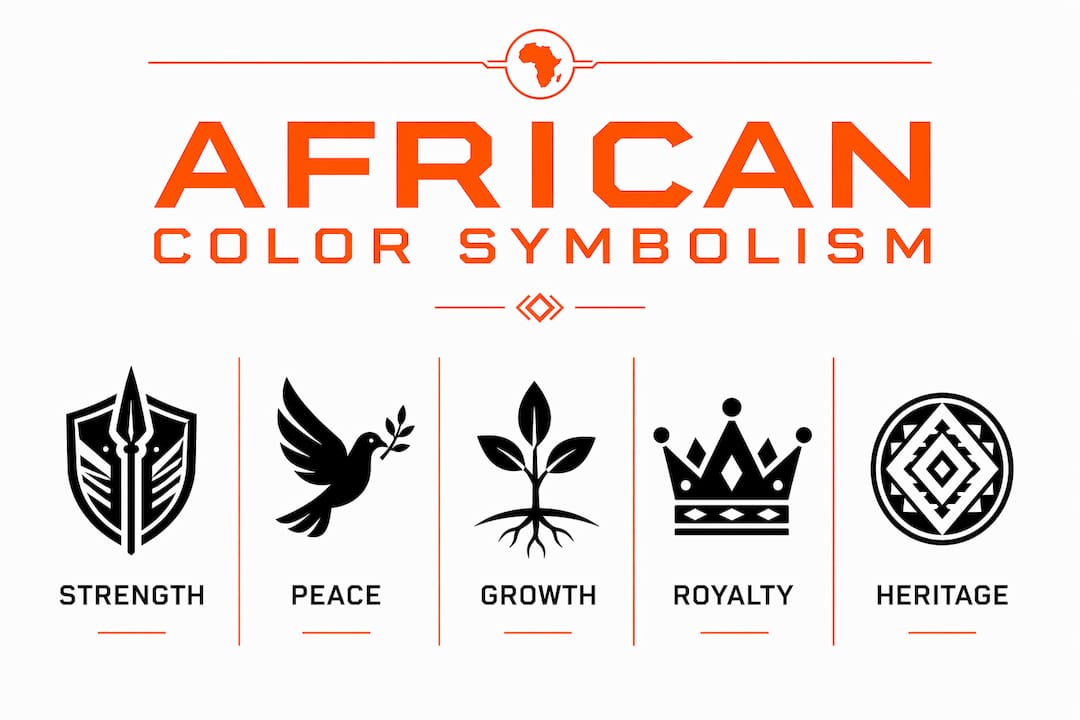
The most widely recognized color meanings across African fashion traditions include:
- Red signals strength, courage, and ancestral power. It appears in ceremonial garments and warrior traditions across West and Southern Africa.
- Blue communicates peace, harmony, and spiritual depth. It is frequently used in fabrics worn during rites of passage.
- Green represents growth, fertility, and connection to the land. It appears prominently in agricultural communities and harvest celebrations.
- Gold and yellow signal wealth, royalty, and divine favor. Kente cloth from Ghana uses gold as its most prestigious color.
- Black carries dual meaning: mourning in some traditions, and maturity or spiritual authority in others.
When a designer places these colors in deliberate blocks against each other, the result is not decoration. It is a sentence written in fabric.
“Color blocking in African fashion is joyful resistance. Designers refuse imported standards of polish and position traditional patterns as elegant and valuable on their own terms. Every bold contrast is a refusal to apologize for cultural pride.”
This framing matters because color blocking serves as joyful resistance against Western-centric fashion standards. Ankara prints worn in bold, unapologetic blocks assert that African aesthetics need no translation or dilution for global acceptance. Color psychology reinforces this. Wearers of high-contrast, culturally coded garments report stronger feelings of identity affirmation and community belonging. The garment becomes a form of self-expression that speaks before the wearer says a word.
How do African designers use color blocking techniques to blend tradition and modernity?
African designers treat color blocking as a structural discipline, not a decorative afterthought. The most sophisticated work uses the fabric’s own weave or print structure as the frame for each color block, rather than arbitrarily cutting and sewing colored panels together. Respecting the fabric’s natural weave when implementing color blocking is what separates culturally grounded design from surface-level imitation.
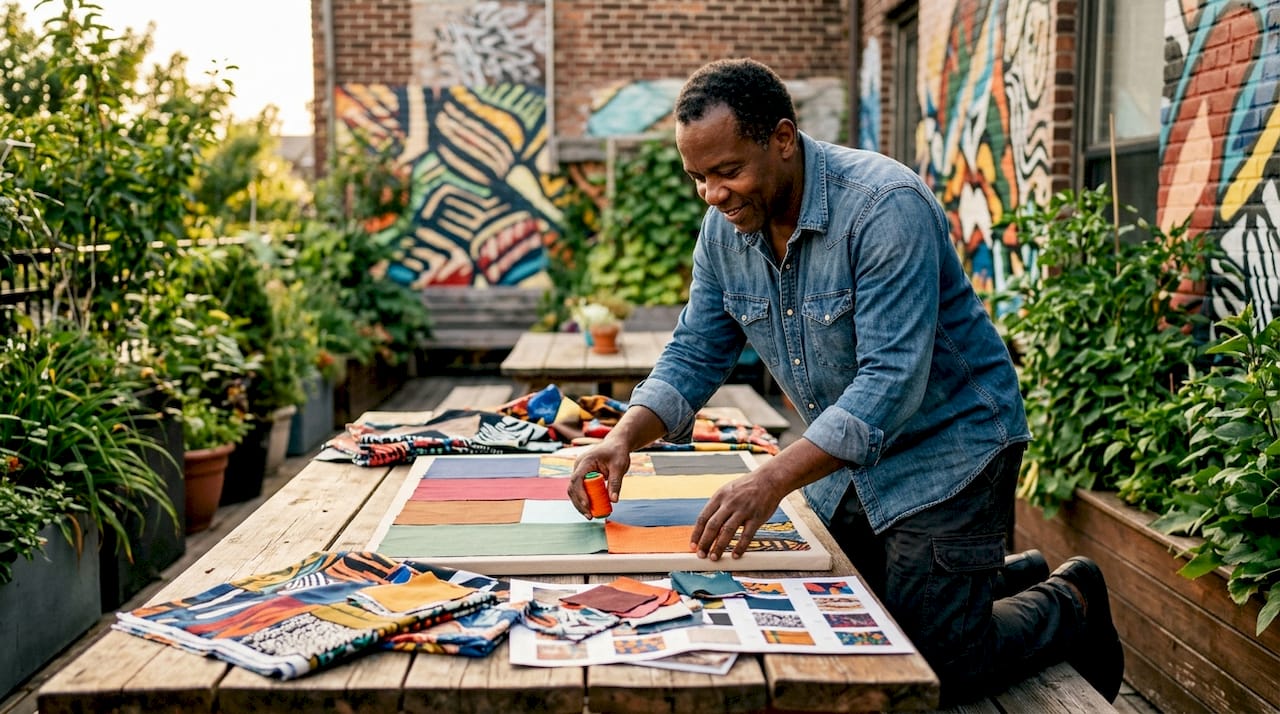
The Adire-Lace fusion is one of the clearest examples of this approach in contemporary African fashion. Designers construct core garments from Adire or Ankara and then accent sleeves, necklines, and hems with lace or solid-color silk. The result is a garment that holds two visual registers at once: the heritage textile and the luxury material. Each speaks clearly because the color blocking keeps them in separate, defined zones.
The key techniques designers use to achieve this balance include:
- Strategic panelling. Dividing a garment into distinct zones, each carrying a different fabric or color, so that the eye reads each section as intentional rather than chaotic.
- Tonal anchoring. Pairing one vibrant symbolic color with a neutral or earth tone to give the eye a place to rest. Creams, natural browns, and undyed linens serve this function without competing with the primary statement.
- Texture contrast. Placing a matte heritage fabric like Adire against a sheen material like silk or lace creates visual depth without adding more color. The contrast is felt as much as seen.
- Scale variation. Using a large-scale Kente or Ankara print as the dominant block and a smaller, tighter pattern as the secondary block creates hierarchy that guides the viewer’s attention.
Pro Tip: When combining heritage fabrics with modern accents, let the traditional textile occupy the largest surface area. The modern material should accent, not compete. A Kente body with a solid-color silk sleeve reads as intentional. Reversing that proportion often reads as costume.
The impact of these techniques extends beyond individual garments. When African designers build collections around structured color blocking, they create demand for specific heritage textiles. That demand supports local weavers, dyers, and artisans. Fashion innovation and local economies move together.
What are regional variations in African color blocking styles?
African color blocking is not a single tradition. It is a continent-wide practice with distinct regional expressions, each shaped by local history, available materials, and cultural codes.
| Region / Tradition | Color Blocking Style | Key Fabrics | Cultural Function |
|---|---|---|---|
| Ndebele (Southern Africa) | Geometric precision, hard-edged blocks | Beadwork, painted murals translated to fabric | Communicates identity, status, and communal values |
| Yoruba (West Africa) | Fluid layering, indigo-dominant | Adire (resist-dyed cotton) | Marks social occasion and spiritual practice |
| Akan (Ghana) | Structured strips, gold-dominant | Kente (hand-woven silk and cotton) | Signals royalty, achievement, and political authority |
| Adire-Lace fusion (contemporary) | Mixed-media panelling | Adire with lace or silk accents | Bridges heritage and modern luxury aesthetics |
African color blocking practices vary regionally and are tied closely to cultural histories and the physical properties of local fabrics. This is a critical distinction. The geometric precision of Ndebele art, with its hard angles and bold primary colors, reflects a tradition of mural painting and beadwork where straight lines are structurally necessary. The fluid layering of Adire-Lace reflects a textile tradition built on resist-dyeing, where organic shapes emerge from the dye process itself.
Ndebele designs function as a living cultural system coded with social meanings. Bold geometric shapes and colors communicate identity, status, and communal values that are readable within the community. When global fashion brands borrow these patterns without credit or context, they strip the code of its meaning. The visual remains. The language disappears.
This is the core risk of cultural flattening. When African color blocking is treated as a generic “African-inspired” aesthetic, the regional specificity that gives it meaning is erased. Wearing Kente-inspired blocking at a Ghanaian celebration carries one meaning. Wearing a vague “tribal print” to a music festival carries another. The difference is knowledge, and knowledge is the responsibility of the wearer.
How can you incorporate African-inspired color blocking into your wardrobe?
Wearing color blocking inspired by African styles well requires two things: a working knowledge of color relationships and genuine respect for the traditions behind the patterns. Neither is complicated, but both are non-negotiable.
Start with these principles:
- Choose your palette with intention. Jewel tones paired with earth tones are the dominant combination in 2026 African fashion. Emerald green with ochre, sapphire blue with terracotta, ruby red with deep brown. Each pairing gives you one bold statement and one grounding anchor.
- Let one block lead. Pick one color as your dominant block and use it on the largest surface area of the outfit. The secondary block should occupy no more than a third of the visual field. This mirrors how skilled African designers structure their garments.
- Mix textures, not just colors. Balancing vibrant colors with grounding earth tones maintains visual dignity and preserves the storytelling power of the print. Adding a textured neutral, like a natural linen or undyed cotton, achieves the same balance in a simpler outfit.
- Source with awareness. When buying garments that use Ankara, Kente, or Adire, prioritize brands that name the tradition, credit the origin, and ideally source the fabric from African producers. Afrourbanapparel builds this cultural transparency into its design philosophy, treating African identity in streetwear as something to be named and celebrated, not abstracted.
- Learn before you wear. A five-minute read on the cultural context of a pattern changes how you carry it. That knowledge shows in how you talk about what you are wearing, and that conversation is part of the respect.
Pro Tip: If you are new to color blocking in this tradition, start with a single statement piece built around one heritage-inspired print. Pair it with solid neutrals. Let the print do the work. Add complexity as your eye develops.
Key Takeaways
Color blocking in African fashion is a structured cultural language where color, fabric, and form work together to express identity, resist erasure, and connect wearers to living traditions.
| Point | Details |
|---|---|
| Color carries meaning | Red, blue, green, gold, and black each carry specific cultural codes across African traditions. |
| Technique is structural | High-quality color blocking respects the fabric’s weave or print structure, not just surface color placement. |
| Regional diversity matters | Ndebele geometric precision and Adire fluid layering are distinct traditions, not interchangeable aesthetics. |
| Balance is the design principle | Jewel tones paired with earth tones maintain visual dignity and preserve the storytelling power of the print. |
| Knowledge protects culture | Understanding the origin and meaning of a pattern is the baseline for wearing it with respect. |
Color blocking as a living language, not a trend
I have watched color blocking cycle in and out of Western fashion coverage for years, always framed as something new, something bold, something the industry just discovered. What that framing consistently misses is that African designers and communities have been doing this work for centuries, and they have been doing it with a precision and intentionality that most trend-driven fashion cannot match.
What strikes me most about the Adire-Lace fusion and the Ndebele geometric tradition is that neither is trying to be modern. They are modern because they are alive. Living traditions evolve. They absorb new materials, respond to new contexts, and carry their history forward without apology. That is exactly what color blocking in African fashion does.
The risk I see growing is the speed at which global fashion absorbs visual elements without absorbing their meaning. A bold geometric print on a fast-fashion garment is not African color blocking. It is a photograph of a language, printed on a shirt, sold to someone who was never taught to read it.
What gives me genuine optimism is the generation of designers and wearers who are insisting on the full context. They are naming the tradition, crediting the origin, and wearing the garment as a statement of knowledge, not just style. That insistence is the most important trend in African fashion right now, and it has nothing to do with which colors are popular this season.
— Kebz
African streetwear that wears its culture openly
Afrourbanapparel was built on the idea that African identity belongs in everyday life, not just on special occasions. The brand’s Renaissance Collection translates the principles of African color blocking into streetwear you can wear on any day of the week.
The Afro Renaissance Hoodie and the Renaissance Tee both draw on culturally grounded color choices and heritage-inspired graphic design. The fabrics are heavyweight, built for daily wear, and the designs name their cultural references openly. If you want to wear color blocking that means something, Afrourbanapparel gives you the garment and the story behind it.
FAQ
What is color blocking in African fashion?
Color blocking in African fashion is the deliberate placement of bold, contrasting solid colors in distinct sections of a garment to communicate cultural identity, social status, and community belonging. It is a practice rooted in textiles like Kente, Ankara, and Adire.
What do colors symbolize in African fashion?
Red signals strength, blue represents peace, green communicates growth, and gold signals royalty and divine favor. These meanings vary by region and tradition, so context always shapes interpretation.
How is African color blocking different from Western color blocking?
African color blocking is structurally tied to the fabric’s weave or print, carrying coded cultural meanings. Western color blocking is primarily an aesthetic technique focused on visual contrast without embedded symbolic content.
What are the top African fashion color trends in 2026?
The dominant palette pairs jewel tones, including emerald green, sapphire blue, and ruby red, with earth tones like ochre, terracotta, and deep brown. These combinations reflect both cultural symbolism and contemporary design sensibility.
How do I wear African-inspired color blocking respectfully?
Learn the cultural origin of the pattern you are wearing, source from brands that credit their influences, and let the heritage textile lead the design. Pairing one bold heritage print with solid neutral tones is the most grounded starting point.