

Cultural fashion economics is defined as the study of how cultural heritage shapes fashion market value, pricing structures, and economic outcomes across the global apparel industry. The global fashion industry carries an estimated value of over $3 trillion in 2026, and a growing share of that value flows from cultural identity rather than raw material cost or production efficiency. African textiles like Ankara fabric demonstrate this dynamic most sharply: culturally significant prints command prices up to 500–1500% higher than generic alternatives. Understanding cultural fashion economics explained through this lens reveals why heritage is not just symbolic. It is a measurable economic force.
What is cultural fashion economics and why does it matter?
Cultural fashion economics is the formal study of how cultural identity, heritage, and storytelling translate into market value within the apparel industry. The standard academic term for this field is “cultural economy of fashion,” though practitioners and researchers increasingly use “cultural fashion economics” to describe the same intersection of anthropology, consumer behavior, and market theory.
The core mechanism is straightforward. Consumers pay a premium for clothing that carries cultural meaning. That premium is not irrational. It reflects emotional attachment, identity expression, and social signaling. A buyer purchasing Ankara fabric is not just buying a print. They are buying a connection to a lineage, a community, and a story.
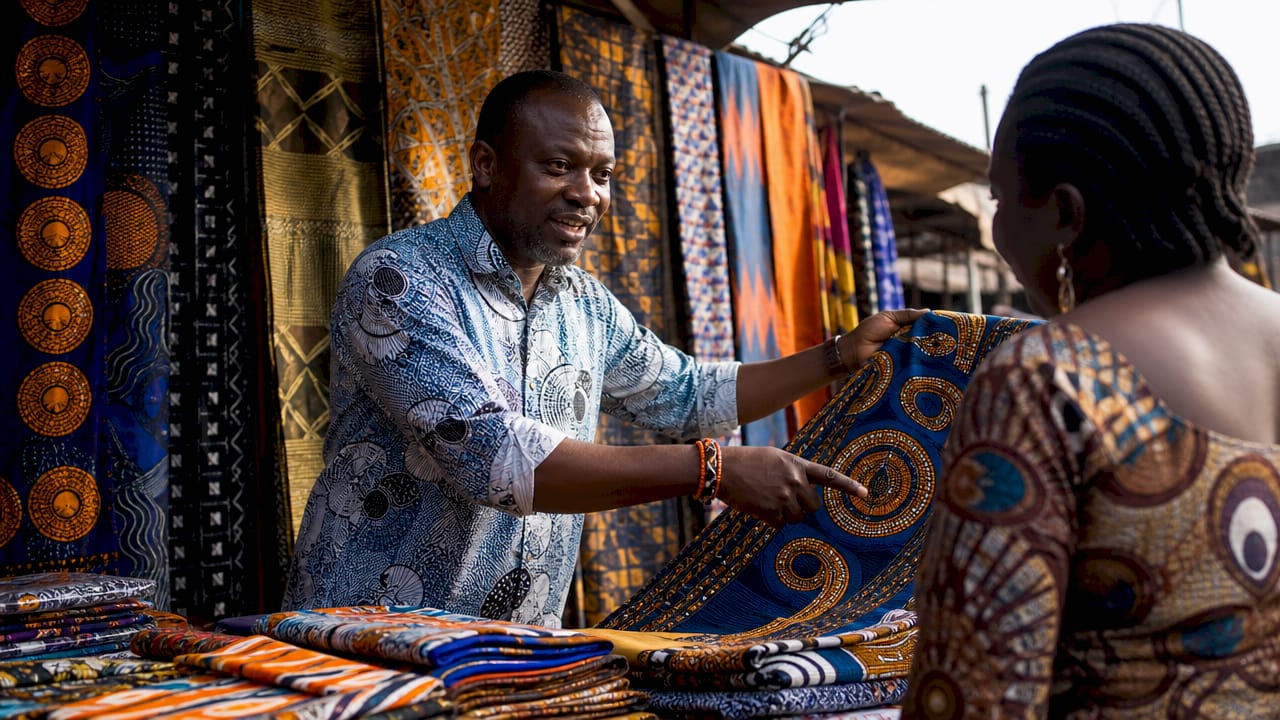
This dynamic has real consequences for pricing, supply chains, and brand strategy. Brands that understand cultural influence in fashion can price with confidence and build loyal customer bases that competitors without cultural depth cannot easily replicate.
How does cultural heritage create premium pricing in fashion markets?
The cultural premium paradox is the central tension in this field. Cultural significance drives up consumer willingness to pay, yet the financial rewards do not always flow to the culture that created the value. Ankara fabric illustrates this precisely.
Vlisco fabrics, produced in the Netherlands, sell at $20–$50 per yard. Generic alternatives sell at $3–$7 per yard. That price gap of up to 1,500% is not explained by fiber quality alone. It is explained by cultural storytelling and perceived authenticity. Consumers associate Vlisco with heritage, ceremony, and identity. That association is worth real money.
Consumer behavior research confirms that emotional attachment drives fashion purchases at least as much as functional value. Buyers in the African diaspora report that clothing connected to their heritage carries meaning that mass-produced alternatives cannot replicate. This emotional premium is the foundation of cultural fashion economics.
- Identity signaling: Buyers use culturally coded clothing to communicate belonging and pride within their communities.
- Scarcity perception: Authentic cultural designs feel rare compared to mass-produced prints, which raises perceived value.
- Storytelling depth: Garments with documented cultural origins command higher prices because the narrative itself is part of the product.
- Community endorsement: Cultural fashion earns credibility through community validation, not advertising spend alone.
Pro Tip: If you are building a cultural fashion brand, document the origin story of every design. The narrative is not marketing fluff. It is a direct driver of price tolerance among your buyers.
How does digital retail reshape cultural fashion economics?
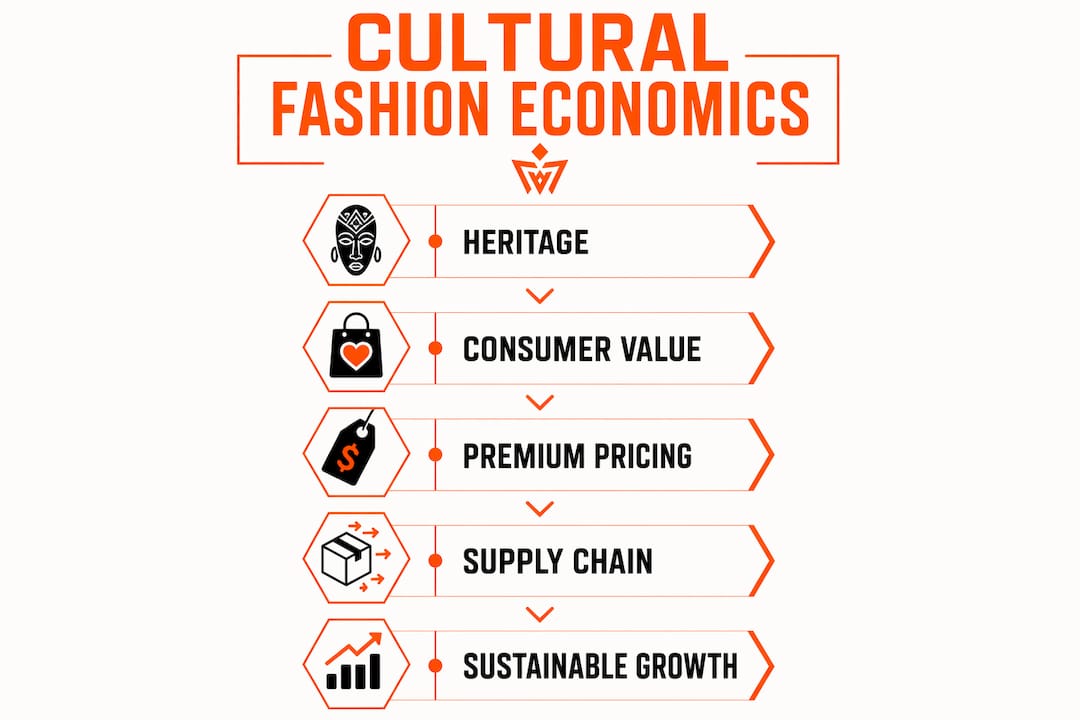
Digital platforms have compressed the fashion purchase decision to a fraction of its former timeline. Consumer purchase journeys now collapse to under 90 seconds on platforms like TikTok Shop in 2026. That compression changes everything about how cultural fashion brands must operate.
A brand with deep cultural roots but slow digital execution loses sales to faster competitors with shallower stories. Cultural resonance must now be delivered instantly. The visual language of a garment, its cultural cues, and its emotional hook must all land within the first few seconds of a scroll.
“Brands are shifting focus from product differentiation to cultural relevance as a primary economic strategy. In 2026 marketplaces, operational efficiency is necessary but no longer sufficient. The brands that win position themselves as media platforms creating emotional consumer attachment.”
This shift has three practical implications for cultural fashion economics:
- Influencer credibility over reach: Micro-influencers within diaspora communities carry more cultural authority than mass-market celebrities. Their endorsement signals authenticity, not just visibility.
- AI-driven personalization: Platforms now surface culturally relevant products to buyers based on behavioral signals. Brands that tag their products with precise cultural identifiers get better algorithmic placement.
- Content as product: The story behind a garment must be packaged as short-form video, not just a product description. Cultural fashion brands that treat content creation as a core business function capture cultural relevance faster than those that treat it as an afterthought.
The fashion industry spends approximately $25 billion annually on marketing and communications. That figure reflects how central cultural positioning has become to commercial survival.
What are the economic challenges in the Ankara value chain?
The Ankara supply chain has six distinct points: fiber production, weaving, printing, distribution, retail, and end consumer. Economic value does not distribute evenly across these points. African participation is strongest at retail, where margins are lowest. European and Asian manufacturers dominate the high-margin stages of printing and distribution.
This is the Cultural Premium Paradox in its starkest form. African designers and retailers sell culturally African products, yet the financial premium accrues primarily to non-African manufacturers. The cultural origin story drives consumer demand, but the economic benefit flows upstream to players outside the continent.
| Supply chain stage | Primary players | Margin level |
|---|---|---|
| Fiber production | West African farmers | Very low |
| Weaving and printing | European and Asian manufacturers | High |
| Distribution | International logistics firms | Medium |
| Retail and design | African designers and retailers | Low |
Infrastructure compounds the problem. High energy costs, logistics inefficiencies, and limited financing for small enterprises make it difficult for African manufacturers to move up the value chain. A designer in Lagos or Accra who wants to bring printing in-house faces capital costs that a Dutch manufacturer absorbed decades ago.
Excess inventory and poor markdown discipline also damage profitability at the retail level. Cultural fashion brands that experiment with new designs without forecasting demand accurately end up discounting pieces that carry genuine cultural value. That markdown erodes both margin and brand prestige.
Pro Tip: Map your supply chain before you scale. Identify which stages are controlled by non-local players and calculate what margin you are leaving on the table. That analysis tells you where to invest first.
How can cultural fashion brands build sustainable economic growth?
Sustainable growth in cultural fashion requires owning the value you create. Intellectual property protection for traditional cultural expressions is the most underdeveloped area in this field. Designers who create original patterns based on cultural heritage have limited legal tools to prevent those patterns from being copied by manufacturers with greater production capacity.
Practical strategies for building lasting economic power include:
- Shift from bespoke to ready-to-wear: Bespoke production limits volume and makes unit economics difficult. Transitioning to scalable ready-to-wear models creates jobs, reduces per-unit cost, and opens mass-market channels without abandoning cultural integrity.
- Build manufacturing ecosystems: Individual brands cannot solve infrastructure problems alone. Coordinated investment in shared manufacturing facilities, energy access, and logistics networks creates conditions where multiple brands can scale simultaneously.
- Ground sustainability in indigenous knowledge: Regenerative practices built on indigenous knowledge produce more resilient local economies than imported European certification frameworks. Sustainability standards designed for temperate climates and industrial supply chains do not map cleanly onto African production realities.
- Invest in business skills alongside design: Creative talent is not the bottleneck in African cultural fashion. Financial management, supply chain negotiation, and digital marketing skills are. Brands that combine design excellence with business competence build long-term loyalty and retain economic power within their communities.
- Protect design ownership formally: Register original designs. Document cultural provenance. Build a paper trail that supports legal protection if larger players appropriate your work.
Pro Tip: Treat your cultural knowledge as intellectual property from day one. File design registrations, document your creative process, and consult an IP attorney familiar with traditional cultural expressions before you go to market at scale.
How does African cultural fashion connect to the global luxury market?
The global luxury business surpasses $400 billion in 2026. African cultural fashion is positioned to capture a meaningful share of that market, but only if it competes on quality and cultural depth simultaneously. Identity alone does not sustain luxury pricing. Craftsmanship, consistency, and brand narrative must all meet the standards that luxury buyers expect.
Cultural influence increasingly functions as economic currency in global fashion markets. Luxury houses in Paris and Milan have spent decades borrowing African aesthetics without crediting or compensating African creators. The shift now is toward African-owned brands that control their own narratives and capture the premium directly.
Key opportunities in the luxury segment include:
- Artisanal expertise as a differentiator: Hand-crafted techniques rooted in African traditions carry the kind of provenance story that luxury buyers pay for.
- Cultural storytelling at scale: Brands that document and communicate the meaning behind their designs create emotional depth that mass-market competitors cannot manufacture.
- Employment generation: Building manufacturing ecosystems in Africa creates jobs at every skill level, from artisans to logistics managers, and redistributes economic value across the continent.
- Global diaspora as a gateway market: The African diaspora in North America, Europe, and the Gulf represents a high-income, culturally motivated buyer segment that is currently underserved by mainstream luxury brands.
Key Takeaways
Cultural fashion economics proves that heritage is a measurable economic asset, and the brands that own their cultural narrative capture the most durable market value.
| Point | Details |
|---|---|
| Cultural premium is real and quantifiable | Ankara fabric commands up to 1,500% price premiums over generic alternatives, driven by cultural storytelling. |
| Value chain position determines profit | African designers cluster at retail, the lowest-margin stage, while manufacturers capture the highest returns. |
| Digital speed is now non-negotiable | Purchase decisions collapse to under 90 seconds online, requiring instant cultural resonance in every touchpoint. |
| IP ownership protects economic gains | Formal protection of traditional cultural expressions is the most underdeveloped lever for value retention. |
| Scalable production unlocks luxury access | Shifting from bespoke to ready-to-wear models creates the volume and consistency that luxury markets require. |
Why cultural ownership is the real economic frontier
The part of this field that most analysts understate is the ownership gap. Designers across Africa and the diaspora create genuine cultural value every day. The economic returns, however, flow disproportionately to manufacturers, distributors, and platforms that sit outside the culture entirely. That is not a market failure. It is a structural problem that requires structural solutions.
What I have seen consistently is that the brands making real economic progress are not the ones with the most creative designs. They are the ones that treat their cultural knowledge as a business asset, protect it legally, and build the operational infrastructure to scale it. Creativity without business architecture is a gift to competitors with better supply chains.
The ecosystem argument matters more than most designers realize. No single brand can fix energy infrastructure or logistics gaps alone. But coordinated investment, policy advocacy, and shared manufacturing facilities can shift the value chain over time. The brands that participate in building those ecosystems now will be positioned to capture the returns when the infrastructure matures.
Cultural fashion economics will shape the next decade of global apparel. The question is not whether African cultural identity has economic value. That question is settled. The question is who captures that value, and whether the answer changes.
— Kebz
Afrourbanapparel: where cultural economics meets everyday wear
Afrourbanapparel builds exactly the kind of brand that cultural fashion economics describes at its best. Every piece in the collection fuses traditional African cultural elements with modern streetwear construction, so the cultural premium is visible in the design and felt in the fabric weight.
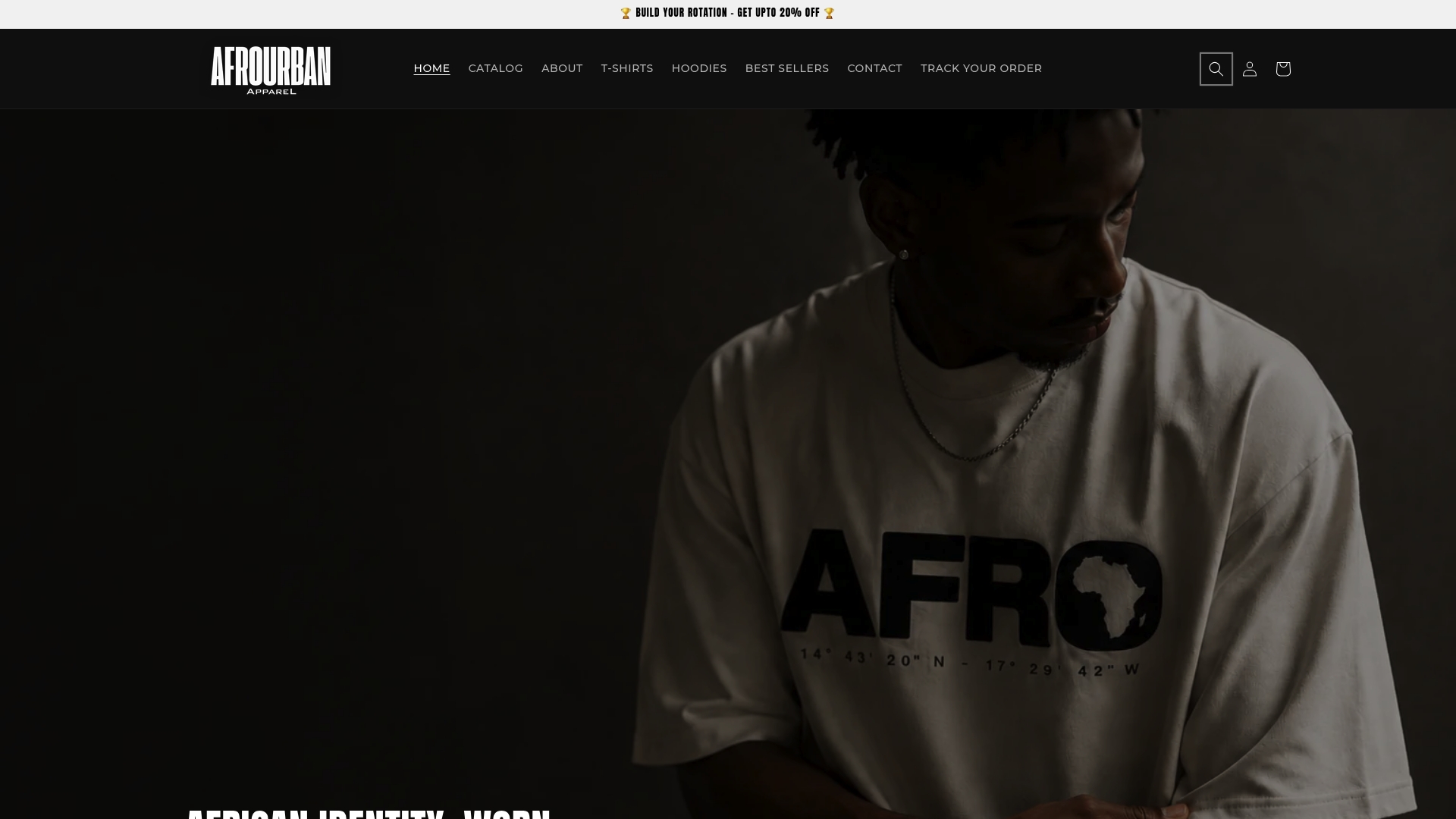
The Afro Renaissance Hoodie and the Renaissance Tee are built on heavyweight fabric that signals quality before the cultural story even lands. Afrourbanapparel’s full African streetwear collection puts cultural identity into daily rotation, not just special occasions. Supporting brands like Afrourbanapparel is a direct act of economic participation in the cultural fashion ecosystem.
FAQ
What is cultural fashion economics?
Cultural fashion economics is the study of how cultural heritage and identity create measurable economic value in fashion markets, including premium pricing, consumer demand, and supply chain dynamics.
Why do culturally significant fabrics cost more?
Culturally significant fabrics like Ankara carry emotional and identity value that generic alternatives lack. Vlisco fabrics sell at $20–$50 per yard compared to $3–$7 for generic prints, a gap driven entirely by cultural storytelling and perceived authenticity.
Who captures the most value in the Ankara supply chain?
European and Asian manufacturers capture the highest margins in the Ankara supply chain through control of printing and distribution. African designers and retailers participate primarily at the retail stage, where margins are lowest.
How does digital retail affect cultural fashion brands?
Digital platforms compress purchase decisions to under 90 seconds, meaning cultural fashion brands must deliver their heritage story instantly through visual design and short-form content to compete effectively.
How can cultural fashion brands protect their economic value?
Formal intellectual property registration, design documentation, and participation in shared manufacturing ecosystems are the most effective tools for retaining economic value within cultural fashion communities.