

A cultural fashion versatility checklist is a curated guide that ensures every clothing piece honors heritage while adapting to modern, everyday contexts. For young urban professionals blending African roots with city life, this checklist is the difference between a wardrobe that tells your story and one that just fills a closet. The 3-to-1 styling rule anchors the entire system: every core cultural piece must pair with at least three others, covering settings from the boardroom to the weekend. A balanced cultural capsule wardrobe runs 15–25 pieces and unlocks over 30 unique outfit combinations. That is not minimalism for its own sake. That is intentional dressing with cultural pride built in.
1. What is in a cultural fashion versatility checklist?
Style versatility in cultural wear means every garment you own earns its place by working across multiple settings, seasons, and moods. The checklist below is your starting framework.
The core 10 checklist items:
- One statement cultural top (graphic tee, printed blouse, or embroidered shirt)
- One cultural outerwear piece (hoodie, jacket, or structured coat with heritage detailing)
- Two neutral bottoms (dark trousers or jeans that pair with bold tops)
- One wrap or skirt in a traditional print
- One versatile cultural accessory set (bandanas, scarves, or beaded jewelry)
- One formal cultural garment (a kurta, dashiki, or tailored kaftan)
- One casual cultural layer (an open shirt or kimono-style piece)
- Two solid-color basics that anchor cultural prints
- One weather-adaptive piece (a lightweight vest or thermal layer)
- One statement bag or belt in a cultural fabric or color
Capsule wardrobe minimalism requires each piece to pair with multiple others, fitting your lifestyle and maximizing outfit variety without clutter. That principle applies directly to cultural dressing. When you buy a piece that only works for one occasion, it fails the checklist.
Pro Tip: Before buying any cultural garment, ask yourself: “Can I wear this three different ways?” If the answer is no, it does not belong in a versatile wardrobe.

2. How to ethically select cultural fashion pieces
Ethical selection is the foundation of any serious fashion adaptability guide. Wearing cultural garments without understanding their origin is not style. It is carelessness.
The 2026 ethical fashion standard recommends a 4-point cultural check before any purchase:
- Maker origin. Who made this garment, and where? Prioritize pieces made by artisans from the culture the design represents.
- Cultural significance. Does this print, pattern, or silhouette carry a specific meaning? Know what you are wearing before you wear it.
- Occasion suitability. Some garments are ceremonial. Wearing them casually can be disrespectful. Research the context.
- Brand commitment. Does the brand invest in the source community through fair wages, profit sharing, or artisan partnerships?
Ethical collaboration with artisans means shared decision-making, fair wages, and transparency. That is the standard that separates appreciation from exploitation.
“Garment authenticity, provenance, and artisan voice preservation are crucial for ethical cultural storytelling and branding. Managing consent with layered permissions prevents cultural misuse and enforces respect.” — Ethical Artisan Storytelling in Modest Fashion
Long-term artisan partnerships produce better garments and better outcomes for source communities. Tokenism, buying one piece from a culture for trend purposes, weakens both the fashion and the relationship.
3. How to adapt cultural garments for different climates
African and other tropical-origin garments are built for warmth, airflow, and vibrant outdoor settings. Adapting them for colder or wetter urban climates requires thought, not compromise.
Garments from tropical climates use loose silhouettes and specific fabric densities for airflow. In colder environments, that same silhouette needs a thermal base layer underneath and a structured Western jacket on top. The cultural piece stays visible and central. The adaptation just makes it wearable year-round.
Climate adaptation strategies:
- Layer a printed cultural top over a fitted turtleneck in winter
- Pair a traditional wrap skirt with opaque thermal tights and ankle boots
- Wear a dashiki or embroidered shirt under a wool overcoat, leaving the collar and cuffs visible
- Use a cultural scarf or bandana as a neck layer when temperatures drop
- Choose heavyweight cotton or woven fabrics that hold shape in wind and rain
Cultural garment adaptation requires layering traditional prints over thermal and structured Western garments to accommodate cold, moisture-heavy climates without losing cultural integrity. The goal is not to hide the culture. The goal is to protect it while making it practical.
Pro Tip: The Afro Renaissance Hoodie from Afrourbanapparel uses heavyweight fleece that layers cleanly over cultural tees and under structured coats, making it a strong anchor piece for cold-weather cultural styling.
4. How to read cultural “grammar” in your wardrobe
Cultural fashion success depends on mastering cultural “grammar”: understanding the symbolic meanings of colors, patterns, and layering, which differ significantly from Western minimalism norms. This is the insight most wardrobe guides skip entirely.
Western fashion defaults to “simple is better.” Many world cultures operate on the opposite principle. Bold color combinations, layered patterns, and decorative accessories convey elegance and status. Wearing a single muted tone head to toe is not sophisticated in every cultural context. Sometimes it signals the opposite.
Intentional dressing means selecting pieces with cultural meaning and dignity, countering the Western minimalism bias that reads cultural richness as excessive. When you understand why a Kente cloth uses gold and green, or why Ankara prints favor high-contrast combinations, you dress with authority rather than guesswork.
Learn the color and pattern language of the cultures you wear. That knowledge makes every outfit choice more confident and more respectful.
5. How to build a balanced wardrobe for urban professional life
A wardrobe that works for urban professional life must cover formal meetings, casual Fridays, weekend events, and cultural celebrations without requiring a complete outfit overhaul for each.
| Garment type | Styling flexibility | Best for |
|---|---|---|
| Cultural graphic tee | Pairs with trousers, jeans, or under blazers | Casual and smart-casual settings |
| Printed wrap or skirt | Works with solid tops and layering pieces | Weekend, events, and cultural occasions |
| Embroidered or tailored cultural shirt | Pairs with dark trousers or chinos | Professional and semi-formal settings |
| Cultural hoodie or outerwear | Layers over basics or cultural tops | Daily commute, casual, and outdoor wear |
| Cultural accessories (bandanas, scarves) | Transforms any neutral outfit | All settings as accent pieces |
Accessories are the most underused tool in a versatile wardrobe. A set of cultural bandanas can shift a plain outfit into a statement look in under 30 seconds. They pack small, cost less than a full garment, and multiply your outfit count without adding bulk.
The third space fashion identity concept encourages blending two cultures fluidly without compromising either. For Afro-urban professionals, that means a wardrobe where a heritage hoodie sits next to tailored trousers, and both feel equally “you.” That is the target.
Intentional buying means aligning purchases with your actual social calendar. If you attend cultural events monthly, invest in two or three strong cultural statement pieces. If your office is formal five days a week, focus on cultural garments that read as professional: embroidered shirts, tailored kaftans, or structured cultural outerwear.
Key takeaways
A cultural fashion versatility checklist works best when every piece follows the 3-to-1 pairing rule, passes a 4-point ethical check, and adapts to climate through layering rather than replacement.
| Point | Details |
|---|---|
| Use the 3-to-1 rule | Every cultural piece must pair with at least three others to justify its place in your wardrobe. |
| Apply the 4-point ethical check | Verify maker origin, cultural significance, occasion suitability, and brand commitment before buying. |
| Layer for climate, not compromise | Use thermal bases and structured outerwear to make tropical garments work in colder urban settings. |
| Learn cultural “grammar” | Understand color and pattern symbolism before wearing cultural garments to dress with authority. |
| Accessories multiply your options | Cultural scarves, bandanas, and jewelry transform neutral outfits without adding wardrobe bulk. |
Why cultural fashion is not a trend, it is a practice
I have watched cultural fashion get reduced to a seasonal mood board too many times. Brands pull Ankara prints for a summer collection, call it “global inspiration,” and move on. That is not what this checklist is about.
The richest wardrobes I have seen belong to people who treat cultural dressing as a daily practice, not a special occasion. They know why they are wearing what they are wearing. They can tell you where the fabric came from, what the pattern means, and who made it. That knowledge shows up in how they carry themselves.
Western minimalism has trained a lot of us to see bold cultural dressing as “too much.” That framing is worth rejecting directly. Western fashion’s “simple is better” mindset does not fit cultures where boldness and layered decoration convey elegance and status intentionally. Your heritage is not excess. It is vocabulary.
The “third space” is where I think the most interesting fashion lives right now. It is the space where a tailored blazer meets an Ankara print shirt, where a cultural hoodie works as hard on a Monday morning as it does at a Saturday market. That space does not require you to choose between your identity and your profession. It requires you to know both well enough to combine them with confidence.
— Kebz
Afrourbanapparel: cultural streetwear built for daily wear
Afrourbanapparel builds its entire collection around the principle that identity belongs in everyday wear, not just at cultural events. Every piece is designed to function as a checklist anchor: versatile enough to pair with basics, strong enough to carry cultural meaning on its own.
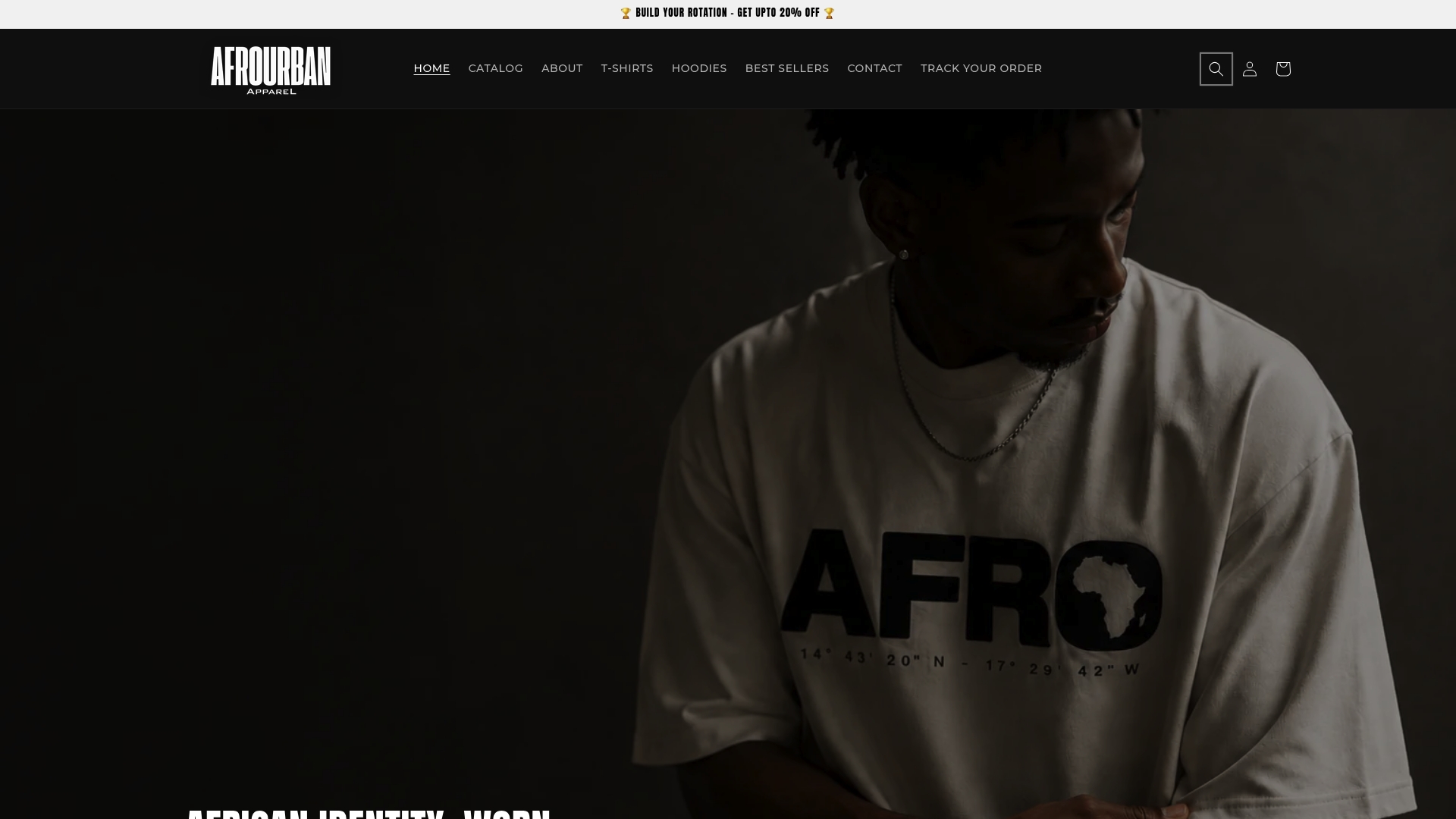
The full Afrourbanapparel collection includes heavyweight hoodies, African-inspired graphic tees, and cultural accessories that check every box on the versatility list. The Stealth AFRO Hoodie layers cleanly over cultural tees and under structured coats, making it a practical choice for cold-weather urban styling. The statement tee range gives you cultural expression in the most wearable format possible. If you are building a wardrobe that reflects who you are every day, this is a strong place to start.
FAQ
What is a cultural fashion versatility checklist?
A cultural fashion versatility checklist is a curated list of garment types and styling principles that help you build a wardrobe honoring cultural heritage while adapting to modern daily settings. It typically centers on a 15–25 piece capsule wardrobe built around the 3-to-1 pairing rule.
How many pieces does a cultural capsule wardrobe need?
A balanced cultural capsule wardrobe runs 15–25 pieces and generates over 30 unique outfit combinations. Each piece must pair with at least three others to earn its place.
What is the difference between cultural appreciation and appropriation in fashion?
Cultural appreciation means wearing garments with knowledge of their origin, significance, and maker. Appropriation means using cultural elements for aesthetic value without understanding or respect for their meaning or source community.
How do I adapt African fashion for colder climates?
Layer traditional prints over thermal base layers and pair them with structured Western outerwear. The cultural garment stays central and visible while the added layers provide warmth and weather protection.
What accessories work best for cultural wardrobe versatility?
Cultural scarves, bandanas, and beaded jewelry are the most flexible accessories. They shift a neutral outfit into a cultural statement without requiring a full wardrobe change, and they work across casual, professional, and event settings.