

Modern African fashion is defined as a living system that fuses ancestral textile traditions with contemporary design to communicate identity, status, and cultural belonging. This system spans over 3,000 ethnic groups across 54 countries, with textile histories reaching back more than 5,000 years. That depth makes African fashion one of the most historically grounded style movements on earth. Far from a trend, it is a full cultural language. Afrourbanapparel builds directly from this tradition, translating heritage motifs into everyday streetwear that lets you carry that language with you daily. Modern African fashion explained properly is not just about what you wear. It is about what your clothing says without words.
How do traditional African textiles communicate cultural narratives?
African textiles function as non-alphabetical literature, encoding social status, spiritual beliefs, and life transitions through pattern and color. This is not metaphor. A Kente cloth woven in Ghana carries specific meanings in every color block and geometric unit. Gold signals royalty and wealth. Green signals growth and renewal. The pattern itself can identify the wearer’s clan, occasion, and rank.
Bogolan, also called mudcloth, originates from Mali and uses fermented mud applied to hand-spun cotton to create geometric symbols. Each symbol references a proverb, a historical event, or a protective spiritual concept. Hunters traditionally wore Bogolan before going into the bush because the patterns were believed to offer protection. That context does not disappear when Bogolan appears on a modern jacket or tote bag. The meaning travels with the cloth.
Adire, a Yoruba resist-dyeing technique from Nigeria, uses cassava paste or tied raffia to create indigo patterns on cotton. The patterns range from simple geometric repeats to elaborate figurative compositions that reference specific Yoruba proverbs. Reading Adire correctly requires cultural knowledge that most outsiders simply do not have. That knowledge gap is exactly why context matters when African textiles enter global fashion.
- Kente (Ghana): Color and geometric patterns encode royalty, spiritual values, and clan identity
- Bogolan (Mali): Mud-resist symbols reference proverbs, historical events, and protective beliefs
- Adire (Nigeria): Indigo resist-dye patterns communicate Yoruba proverbs and social narratives
- Kuba cloth (DRC): Geometric cut-pile designs mark ceremonial rank and community belonging
Pro Tip: When you buy a garment featuring African textile motifs, ask the brand to name the specific textile tradition and its region of origin. A brand that cannot answer that question is selling aesthetics, not heritage.
What are the defining characteristics of modern African fashion trends in 2026?
The defining characteristic of 2026 African fashion is hybridization. Designers are re-engineering traditional garments with asymmetrical cuts, oversized silhouettes, unisex construction, and technical fabrics. The result is clothing that reads as both culturally grounded and globally current. This is not compromise. It is a deliberate design strategy that expands who can wear African heritage without erasing what it means.
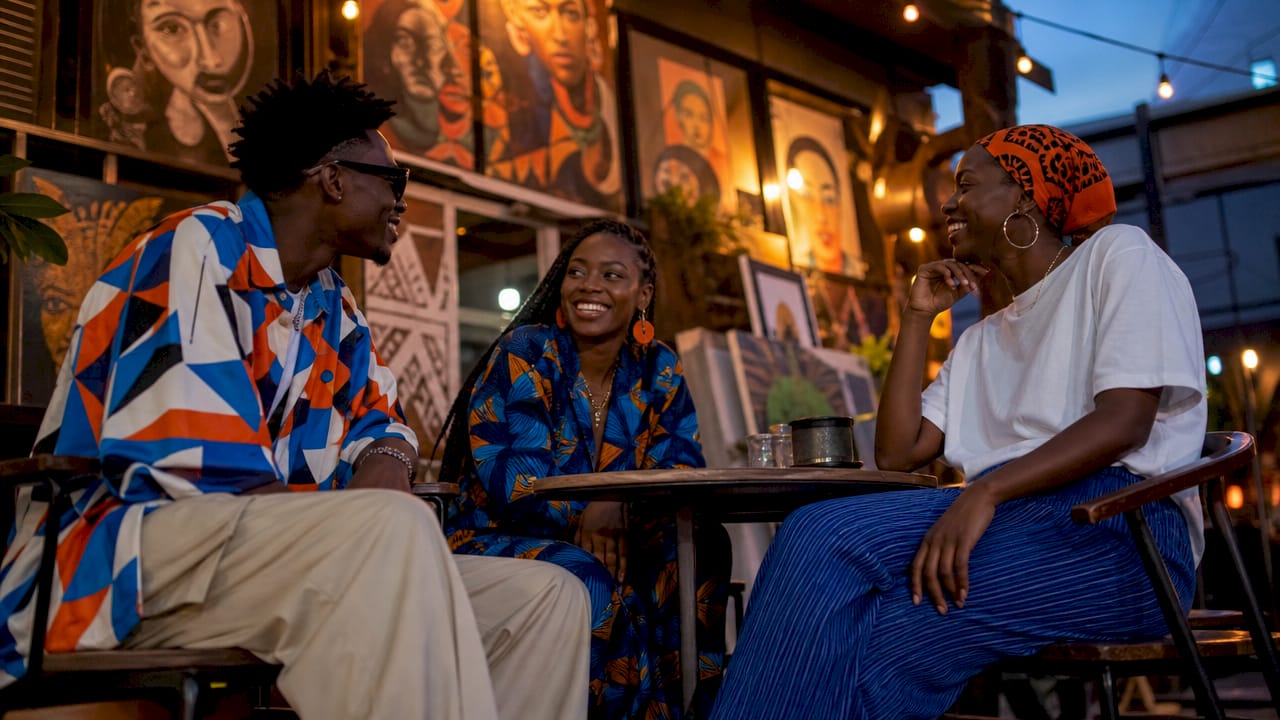
Oversized layering is the most visible trend in 2026 African streetwear. Wide-shoulder hoodies, drop-crotch trousers, and boxy graphic tees carry Kente-inspired color blocking or Adinkra symbol prints at a scale that reads clearly from a distance. That visibility is intentional. Wearing African embroidery or textile motifs in modern apparel at a large scale turns the body into a public statement about identity and belonging.
Unisex design is equally central to the current movement. African youth fashion has always included garments worn across gender lines, from the boubou of West Africa to the shuka of East Africa. Contemporary designers are formalizing that tradition by building collections with no gendered size runs. The African youth fashion movement treats clothing as a shared cultural resource, not a gendered product category.
| Trend | Description | Heritage Source |
|---|---|---|
| Oversized silhouettes | Boxy, wide-shoulder cuts with heritage prints at large scale | West African boubou proportions |
| Asymmetrical construction | One-shoulder or uneven hemlines referencing draped garments | East and Central African wraps |
| Unisex design | No gendered sizing; shared cultural garments for all wearers | Pan-African tradition |
| Technical fabric fusion | Performance materials combined with hand-woven heritage cloth | Contemporary global sportswear |
| African embroidery details | Hand-stitched motifs on modern apparel collars, cuffs, and hems | North and West African embroidery guilds |
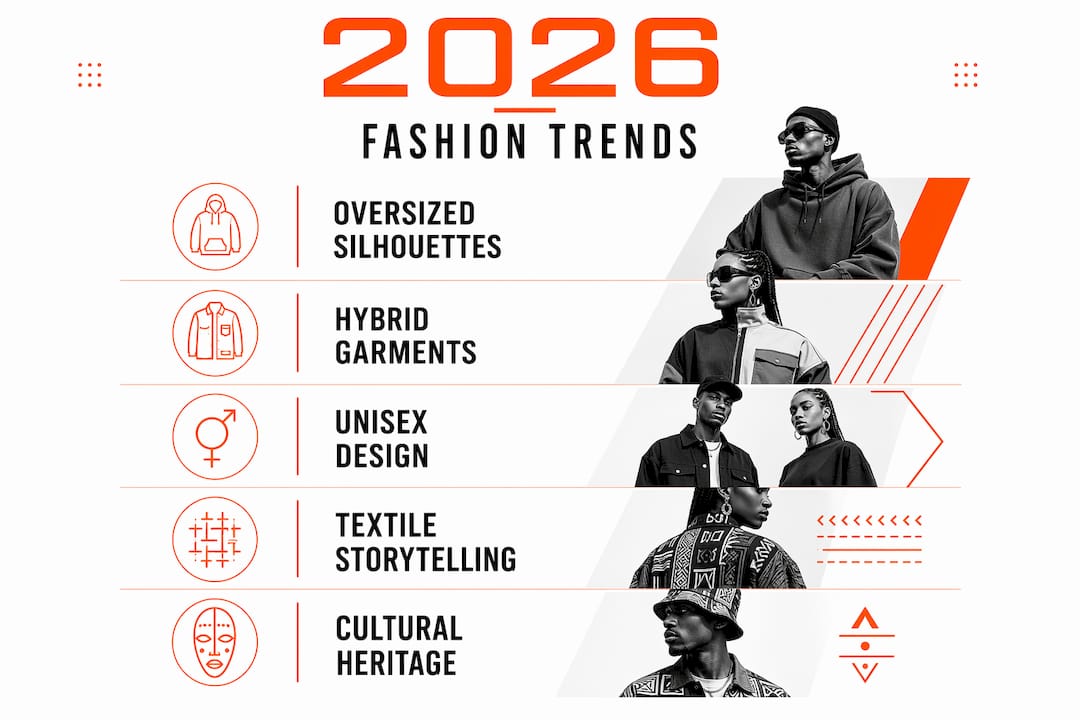
The Afro Butterfly Set from Afrourbanapparel is a direct example of this trend in practice. The set uses oversized, unisex proportions with culturally inspired graphic work, making it wearable as both a fashion statement and a daily expression of African community fashion identity.
Why is reclaiming narrative ownership vital for African fashion designers today?
African fashion is shifting from consumption to storytelling ownership. This means African designers are asserting the right to control how their heritage is interpreted, presented, and profited from. The shift is a direct response to decades of global fashion houses borrowing African aesthetics without crediting their origins, compensating their communities, or preserving their meanings.
The problem is not inspiration. Cultures have always influenced each other. The problem is reduction. When a global brand uses Kente-inspired color blocking without naming Ghana, without working with Ghanaian weavers, and without explaining the symbolism, it strips the textile of everything that makes it meaningful. African fashion creators demand respect for the context behind their work, and that demand is now backed by institutional action.
“Wearing African cloth in the diaspora is an act of surfacing knowledge suppressed by institutional powers. The cloth remains meaningful to primary audiences while exposing secondary audiences to its significance.”
Documenting provenance is the most concrete tool designers have for protecting their work. When a community formally records the origin, technique, and symbolic meaning of a textile tradition, that documentation creates the foundation for licensing agreements, royalty structures, and legal protections. It keeps economic value inside African hands rather than allowing it to migrate to industrial mills abroad.
Pro Tip: Support brands that name their textile sources. “Adire-inspired” with a named Nigerian artisan partner is categorically different from “tribal print.” The language a brand uses reveals whether it respects the culture it draws from.
Building brands with artisan co-creators and investing in community production centers produces both cultural authenticity and economic resilience. This model keeps craft quality high, pays weavers fairly, and ensures that the knowledge embedded in each textile stays within the community that created it.
How do modern African fashion developments influence global style and local identity?
African fashion weeks in Lagos, Johannesburg, and Dakar have turned African design into a global cultural force. Designers from these cities now win international awards and set trends that appear on runways in Paris and New York seasons later. That influence runs in both directions. Global streetwear aesthetics feed back into African urban fashion, producing the hybridized styles that define 2026.
The diaspora plays a specific and irreplaceable role in this exchange. Wearing African cloth outside the continent is not simply a personal style choice. It is a political act that surfaces cultural knowledge in spaces where that knowledge has historically been suppressed or ignored. The person wearing a Bogolan print hoodie in Chicago or London is doing something the cloth was always designed to do: communicate across social boundaries.
African heritage corporate fashion is also gaining ground. Professionals in Lagos, Nairobi, and Accra increasingly wear Ankara-print blazers and embroidered agbadas to board meetings. This is not casual dress code rebellion. It is a deliberate statement that African identity belongs in every professional context, not just ceremonial ones. The african heritage fashion statement explained in this context is simple: identity does not clock out.
The five most visible ways African fashion shapes both global style and local identity:
- African fashion weeks set international trends that influence global runways and retail buyers
- Diaspora streetwear surfaces suppressed cultural knowledge in cities across North America and Europe
- African heritage corporate fashion normalizes cultural identity in professional settings
- Youth-led social media accelerates the spread of African textile motifs in modern apparel globally
- Artisanal sustainability positions African craft production as an ethical model against fast fashion
Modern African streetwear from brands like Afrourbanapparel brings this global-local exchange directly into everyday wear. The brand’s approach treats African identity as something you carry daily, not something reserved for cultural events or formal occasions.
Key Takeaways
Modern African fashion is a documented cultural system, not a trend, and wearing it with context is the most direct way to honor its depth and protect its future.
| Point | Details |
|---|---|
| Textiles as communication | Kente, Bogolan, and Adire encode proverbs, status, and spiritual meaning in every pattern. |
| 2026 trend: hybridization | Oversized, unisex, and asymmetrical designs fuse ancestral textiles with global streetwear. |
| Narrative ownership matters | African designers reclaim cultural authority by documenting provenance and working with artisan co-creators. |
| Diaspora wear is political | Wearing African cloth outside the continent surfaces suppressed cultural knowledge in new spaces. |
| Context separates culture from costume | Naming textile origins and their meanings is what distinguishes heritage fashion from aesthetic borrowing. |
African fashion’s future belongs to those who tell its story
I have watched African fashion move from “world music section” status to genuine institutional recognition over the past decade, and the shift that impresses me most is not the aesthetics. It is the infrastructure. Designers are building archives, filing provenance documentation, and structuring licensing agreements. That is not fashion talk. That is sovereignty talk.
What concerns me is the speed at which global fast fashion absorbs African visual codes without absorbing their meaning. A Kente-colored windbreaker with no connection to Ghana is not African fashion. It is a color palette. The difference matters economically and culturally, and most consumers do not yet have the literacy to tell them apart.
My honest view is that the most important thing you can do as someone who loves African fashion is develop that literacy. Learn what Adinkra symbols mean. Ask where the fabric was made. Support brands that can answer those questions with specifics. The Afro Renaissance Hoodie from Afrourbanapparel is a good example of what that looks like in practice: culturally grounded design built for daily wear, not performance.
African fashion’s global influence will keep growing. The designers building sovereign institutions and community production centers are laying the foundation for something that will outlast any single trend cycle. That is worth paying attention to.
— Kebz
African heritage streetwear, made for daily wear
Afrourbanapparel was built on a single conviction: African identity belongs in everyday life, not just on special occasions. The brand’s collection fuses traditional African cultural elements with modern streetwear construction, using heavyweight fabrics built for real wear.
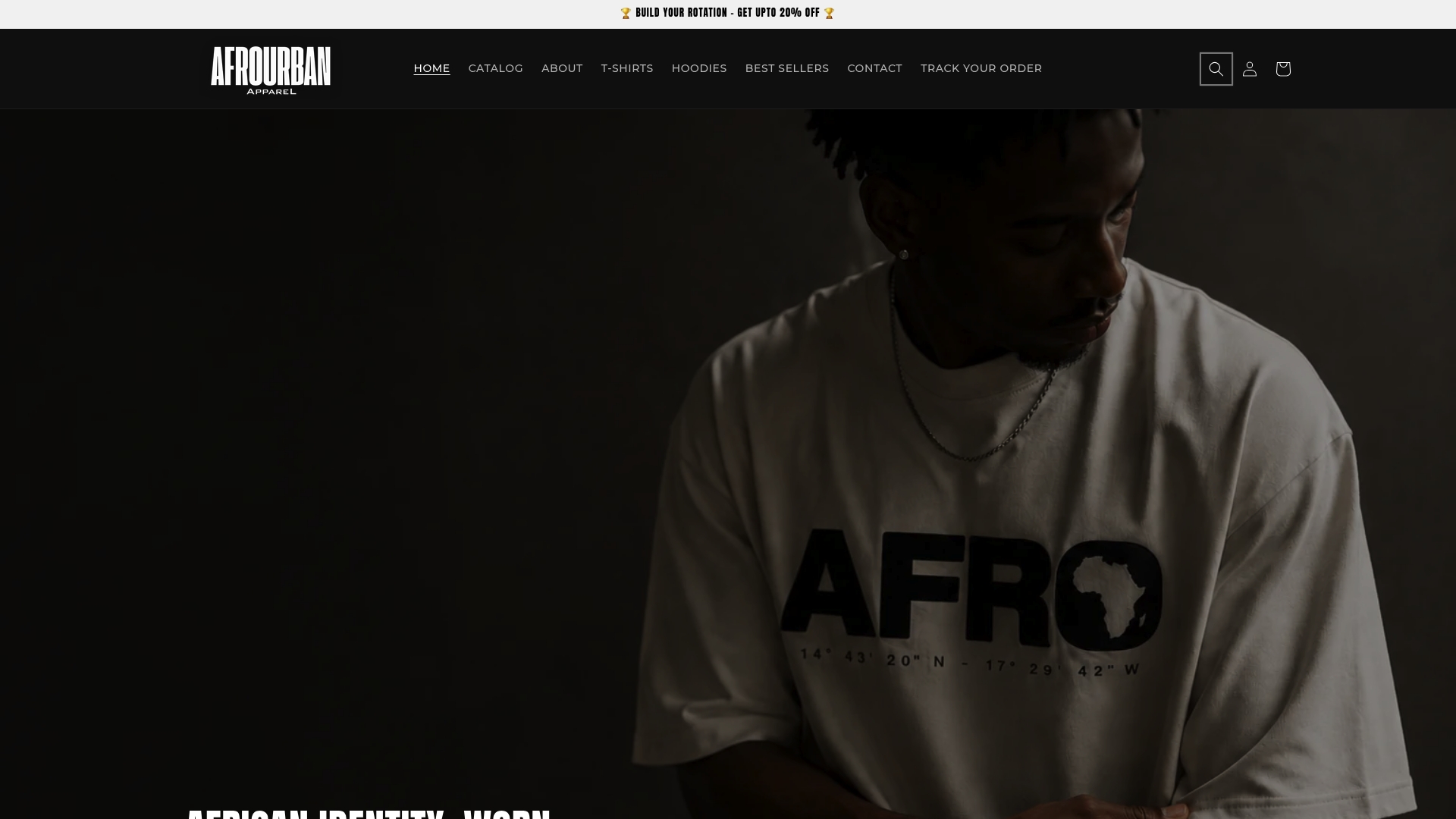
Every piece in the collection carries culturally inspired design work that connects you to heritage without requiring a formal event to justify it. The statement tees and legacy hoodies are designed for the person who wants their identity woven into what they reach for every morning. Customers consistently highlight the quality and the cultural specificity of the designs as what sets Afrourbanapparel apart from generic “African-inspired” apparel. Browse the full collection at Afrourbanapparel and find the piece that speaks your story.
FAQ
What is modern African fashion?
Modern African fashion is a design system that combines ancestral textile traditions from over 3,000 African ethnic groups with contemporary silhouettes, materials, and global streetwear aesthetics. It functions as both cultural expression and a growing international industry.
What textiles are most recognized in African heritage fashion?
Kente from Ghana, Bogolan from Mali, and Adire from Nigeria are the most widely recognized African heritage textiles. Each encodes specific cultural meanings through pattern, color, and technique rather than purely decorative motifs.
Why do African designers emphasize storytelling ownership?
African designers emphasize storytelling ownership because global fashion has historically borrowed African aesthetics without crediting their origins or compensating their communities. Documenting provenance and working with artisan co-creators keeps cultural and economic value within African hands.
How does wearing African cloth in the diaspora differ from fashion?
Wearing African cloth in the diaspora is described as an act of cultural surfacing, not just personal style. It makes suppressed cultural knowledge visible in spaces where that knowledge has historically been ignored or erased.
What defines African fashion trends in 2026?
The defining characteristic of 2026 African fashion is hybridization: traditional garments re-engineered with oversized silhouettes, asymmetrical cuts, unisex sizing, and technical fabrics. African embroidery and textile motifs in modern apparel appear at larger scales to maximize cultural visibility.
Recommended
- Premium African Streetwear for Everyday Identity | Afro Urban Apparel
- Renaissance Tee – African-Inspired Graphic T-Shirt – Afro Urban Apparel
- Renaissance Tee – African-Inspired Graphic T-Shirt – Afro Urban Apparel
- The Afro Renaissance Hoodie — Cloud-soft comfort. Warmth you can feel. – Afro Urban Apparel