

Wearing heavyweight Afro-inspired streetwear in warm weather comes down to three choices: pick breathable natural-fiber pieces built with real ventilation, size them for airflow rather than bulk, and pair them with lighter layers you can shed as the day heats up. Some brands offer heavyweight tees and hoodies designed for this kind of everyday cultural expression. Before you buy, check the permanent label for fiber content and confirm the seller’s delivery terms.
TL;DR:
- Choosing oversized or unzipped heavy streetwear allows better airflow and reduces heat buildup in warm weather.
- Fabrics like cotton-linen blends and loopback knits improve breathability while maintaining the substantial feel of heavyweight apparel.
- Pairing one statement heavyweight piece with lighter layers and accessories helps stay culturally authentic without overheating.
- Colombian regulations require detailed labels and transparent seller disclosures, with refund rights if delivery is delayed beyond 30 days.
- Darker, tightly woven fabrics offer better sun protection, but layering and covering exposed skin remain the most effective sun safety measures.
Table of Contents
- How to wear heavyweight Afro streetwear in warm climates
- Fabrics and construction that work in warm weather
- Styling and layering that stay authentic without overheating
- Care, labeling, and buyer protections to check before you order
- Sun protection built into Afro-inspired clothing choices
- Color and pattern choices for warm weather and authenticity
- Sustainability choices in Afro-inspired warm-weather apparel
- Seasonal and occasion styling for hot-weather days
- Cultural note: authenticity, storytelling, and why design choices matter
- Why Afro Urban Apparel fits this brief
- FAQ
- Sources
How to wear heavyweight Afro streetwear in warm climates
A heavyweight piece does not have to mean overheating. The fix is mostly about fit, timing, and small styling adjustments that let air move.
- Size up slightly rather than down: a half-size roomier cut lets air circulate against the skin instead of trapping heat against a tight fit.
- Roll the sleeves to the elbow or above on heavyweight tees and sweatshirts to expose the forearms, one of the fastest ways the body sheds heat.
- Leave a hoodie unzipped or push the hood back, and do a loose half-tuck in front instead of a full tuck, which traps warm air against the torso.
- Cuff the pant leg or sleeve hem to create small gaps that help heat escape without changing the silhouette.
- Save the heaviest double-layered hoodies for early morning, shaded midday hours, or air-conditioned indoor settings, and switch to a single heavyweight tee once the sun is high.
- Swap a heavy cap for a light cotton headwrap or a breathable mesh-back cap when you need shade without added warmth.
Carrying a light cotton tank or an open short-sleeve shirt underneath gives you a quick layer to remove the moment a heavyweight hoodie feels like too much.
Pro Tip: Keep a lightweight cotton button-up folded in your bag. It works as a cooling layer over a tank or under an open heavyweight hoodie, so you are never stuck overdressed.
Fabrics and construction that work in warm weather
The fabric and build of a heavyweight piece matter as much as how you style it. Ring-spun and combed cotton yarns are twisted tighter and cleaned of short fibers, which gives the fabric a smoother hand and better airflow through the weave than cheaper carded cotton, which tends to feel denser and trap more heat against the skin.
A little fabric and construction choices consistently make a heavyweight garment more wearable in heat:
- Cotton-linen blends keep the structured drape of heavyweight cotton while linen’s open fiber structure pulls moisture away from the body faster.
- Cotton-modal blends soften the hand and improve breathability without losing the substantial feel that defines heavyweight streetwear.
- Loopback knit construction, rather than a tight brushed fleece, lets more air pass through a sweatshirt’s interior.
- Side vents and underarm gussets release trapped heat at the body’s warmest points without changing the garment’s outline.
- Lighter embroidery placement, limited to the chest or sleeve rather than a full back panel, reduces the stiff, insulating patches that heavy thread density can create.
Trade sources on heavyweight apparel suggest a practical range of fabric weight that balances substantial feel with breathability for ring-spun cotton tees and sweatshirts, with construction features like side vents rather than a fixed numeric specification. That range is a practical starting point rather than a fixed rule, and it helps explain why two “heavyweight” garments can feel completely different in the heat.
Printing method plays a role too: heavy plastisol ink sits on top of the fabric and seals the weave where it is printed, while water-based inks sink into the fibers and preserve more of the fabric’s natural breathability, especially on large graphic placements.
Styling and layering that stay authentic without overheating
The goal is to keep the visual signals, bold prints, structured silhouettes, cultural motifs, while trimming the actual heat load of the outfit. A few formulas work across most warm-weather occasions.
- Pair one heavyweight tee with breathable linen-blend pants instead of doubling up on heavy fabric top and bottom.
- For evening events, wear an open heavyweight hoodie over a cotton tank with lightweight shorts, so the statement piece stays visible without being zipped against the skin.
- For daytime errands, let one statement piece, a bold-print tee or embroidered hoodie, carry the look, and keep the bottoms in a lightweight woven or jersey fabric.
Balancing one heavyweight, high-pattern piece against lighter basics keeps the overall outfit from trapping heat while still reading as bold and intentional. Accessories do double duty here: a light cotton headwrap signals identity while shading the scalp, a woven canvas belt adds texture without weight, and ventilated sneakers with mesh panels keep the feet cool during long days on pavement. Sandals work for casual or beach-adjacent settings where the occasion allows it, while breathable low-top sneakers are the safer default for everyday streetwear contexts.
Care, labeling, and buyer protections to check before you order
Colombian regulation gives online shoppers a clear checklist for what a legitimate garment label and a legitimate online seller should provide. Resolución Nº 1950 sets the technical regulation on garment labeling in Colombia, requiring permanent labels that show country of origin, the manufacturer or importer’s name, care instructions, and the fiber composition by percentage.
On the purchase side, Ley 2439 de 2024 updated Colombia’s consumer protections for e-commerce. Sellers must disclose real product availability, and if an item cannot be delivered within the agreed window or within 30 days, the buyer can cancel and is owed a refund within 15 calendar days.
| Check before checkout | What to look for |
|---|---|
| Permanent label | Country of origin, manufacturer or importer name, fiber composition by percentage |
| Care instructions | Symbols or text matching the fabric (wash, dry, iron guidance) |
| Delivery terms | A stated delivery window, with a 30-day default and 15-day refund if unavailable |
| Customer contact | A traceable channel for questions before and after purchase |
- Ask for a close-up photo of the permanent label if the product page only shows a styled lifestyle photo.
- Confirm the fiber percentage matches what the listing claims, especially for cotton-blend heavyweight pieces.
- Check that the delivery window is stated clearly rather than left vague.
Sun protection built into Afro-inspired clothing choices
A heavyweight cotton tee already offers more coverage than a thin summer shirt, which matters for sun exposure on the arms and shoulders. Longer sleeve options, three-quarter or full length, extend that coverage without needing a separate garment, and a slightly looser fit lets fabric shade the skin without clinging to it.
Headwraps and structured caps do more sun work than people expect: a cotton headwrap shades the scalp, ears, and part of the neck, while a brimmed cap or bucket hat protects the face. Darker, densely woven heavyweight cotton generally blocks more direct light than a thin, loosely woven fabric, though no specific UV rating applies here unless a garment is labeled and tested for it. Choosing coverage over exposure, long sleeves rolled when it is hot, a brim when the sun is direct, does more for sun protection than chasing a specific technical fabric claim.

Color and pattern choices for warm weather and authenticity
Lighter base colors, off-white, sand, warm tan, reflect more heat than solid black or navy, which matters when you are already wearing a heavyweight fabric. That does not mean giving up bold color: a light-colored base paired with a vivid printed panel or embroidered graphic keeps the visual energy of Afro-inspired design while reducing the heat the base garment absorbs.
Patterns rooted in ankara and other traditional prints carry color stories that are already built for vibrancy, deep oranges, reds, golds, greens, so leaning into a printed chest panel or sleeve detail rather than an all-over saturated print gives you the same cultural signal with a lighter overall fabric load. Mixing one patterned piece with a solid, light-colored basic is a simple way to keep an outfit readable as bold and intentional without layering heat on heat.
Sustainability choices in Afro-inspired warm-weather apparel
Fabric choice affects both comfort and environmental footprint. Organic cotton and recycled cotton blends reduce water and chemical use compared to conventional cotton farming, and they behave the same way on the body: breathable, durable, and suited to a heavyweight hand-feel. Cotton-linen and cotton-hemp blends add a sustainability angle too, since both linen and hemp fibers typically require less water to grow than cotton alone.
Durability itself is a sustainability feature. A well-constructed heavyweight tee or hoodie, with reinforced seams and quality stitching, holds up over repeated washes and seasons, which reduces how often a garment needs replacing compared to thinner, lower-cost pieces that wear out faster. Buyers who care about both heritage and environmental impact can look for brands that name their fiber sourcing and construction choices on the product page rather than relying on vague “eco-friendly” labeling.

Seasonal and occasion styling for hot-weather days
Daily wear calls for the simplest formula: one heavyweight statement piece, light bottoms, breathable sneakers. For outdoor cultural events or festivals held in warm weather, an open heavyweight hoodie over a tank gives you a layer to remove as the day warms without losing the visual statement the hoodie provides.
Evening gatherings in warm climates are a good setting for a heavier embroidered piece, since temperatures typically drop after sunset, making a structured hoodie or jacket more comfortable later in the day than it would be at noon. For travel or long outdoor days, packing one heavyweight piece alongside two or three lighter basics lets you adjust across a single day’s temperature swing without carrying a full change of heavy clothing.
Cultural note: authenticity, storytelling, and why design choices matter
UNESCO’s work on the African fashion sector points to authenticity and genuine storytelling as the main drivers of demand among diasporic and younger consumers, alongside rising interest in Made-in-Africa provenance.
Ethnographic work on ankara prints in the Afro-Brazilian diaspora describes these garments as a form of identity work, what researchers call “apparel of pride,” worn as a daily cultural statement rather than reserved for special occasions. That framing is worth carrying into how you shop: look for brands that explain where a print or motif comes from and who made it, rather than treating pattern as decoration alone. Transparency about artisans and sourcing is usually the clearest signal of respectful design.
— Kebz
Why Afro Urban Apparel fits this brief
We build heavyweight tees, hoodies, and accessories that fuse traditional African design elements with modern streetwear cuts, meant for daily wear rather than special occasions only. Our fabrics are chosen for durability, and our prints and embroidered details carry cultural meaning.
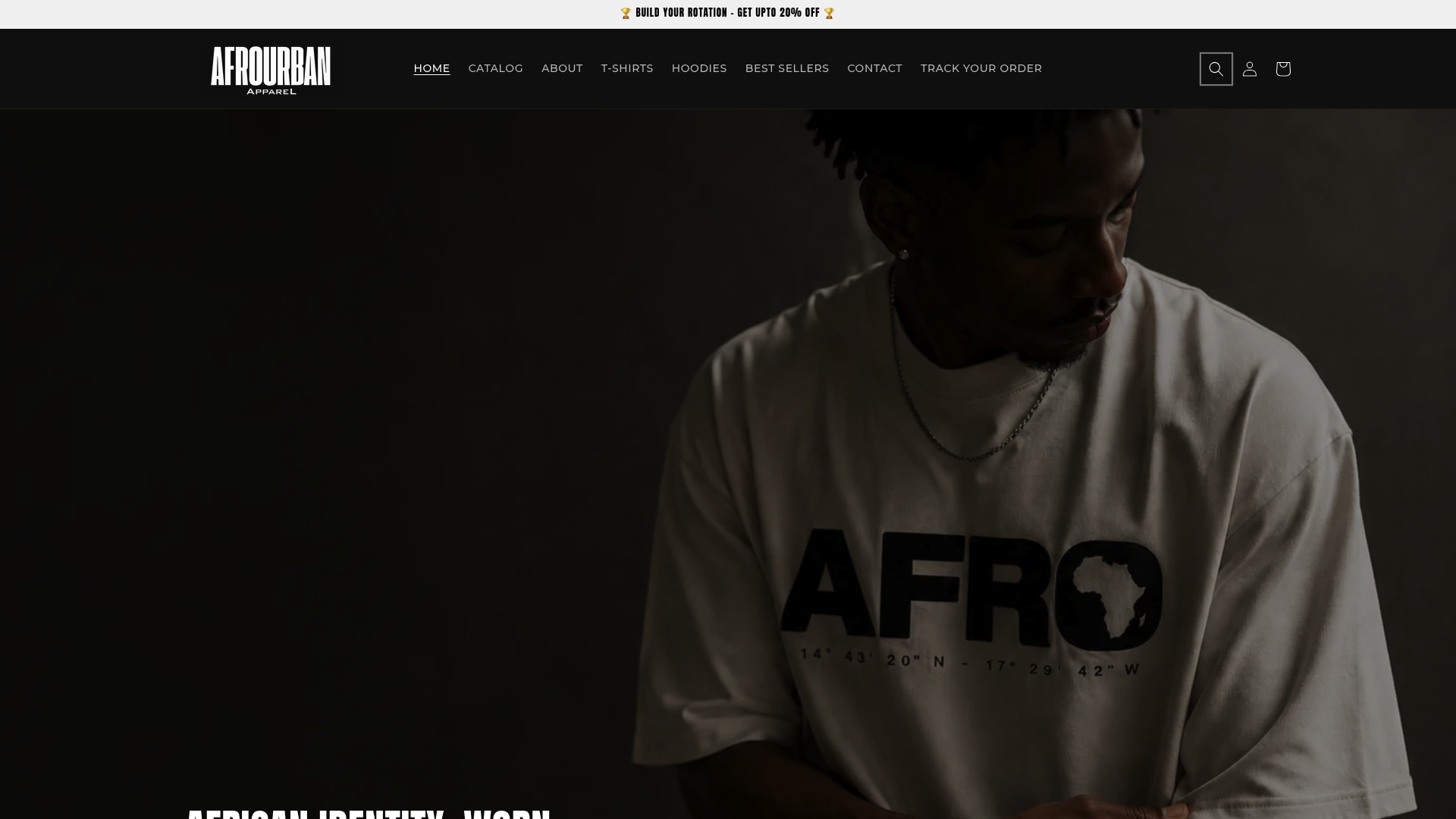
- Heavyweight fabric built for everyday durability.
- Designs that draw on African cultural elements with intentional detail.
- Product pages that list composition and care details.
Before you check out, confirm the permanent label matches the listed fiber composition and review the delivery window on the product page. Visit the Afro Urban Apparel landing page to see current pieces and availability.
FAQ
What fabric weight counts as heavyweight for Afro-inspired tees?
Heavyweight cotton tees generally fall in a range that reads as substantial while still allowing breathability, with ring-spun cotton favored for its smoother, more open weave. Construction details like side vents matter as much as raw weight for comfort in warm weather.
Can heavyweight hoodies work in hot climates?
Yes, when worn open or unzipped over a breathable base layer like a cotton tank, and reserved for cooler parts of the day such as early morning or evening. Loopback knit construction with side vents makes a heavyweight hoodie noticeably easier to wear once temperatures rise.
What should a clothing label show when buying online in Colombia?
A compliant label should show the country of origin, the manufacturer or importer’s name, care instructions, and the fiber composition by percentage, as set out in Resolución Nº 1950. Ask the seller for a close-up label photo if the listing does not show one clearly.
What happens if an online order cannot be delivered on time?
Under Ley 2439 de 2024, a seller must disclose real product availability, and if delivery cannot happen within the agreed window or within 30 days, the buyer can cancel and is entitled to a refund within 15 calendar days.
Does Afro Urban Apparel offer heavyweight pieces suited to warm weather styling?
Our heavyweight tees and hoodies are designed for everyday wear and can be styled with lighter layers, rolled sleeves, or an open front for warmer days.