

Quality streetwear is defined as intentional, durable, culturally authentic apparel that communicates identity through superior construction and design. It goes far beyond the comfort-first logic of casual wear. 77.7% of consumers now prioritize comfort and long-term wearability over simple utility when choosing clothing. That shift signals something larger: people want garments that last and mean something. Brands like Afrourbanapparel have built their entire identity around this idea, fusing heavyweight fabrics with African cultural heritage to create pieces that wear as well as they speak.
Why quality streetwear transcends casual wear in construction and craft
Premium streetwear separates itself from casual clothing at the technical level first. The difference shows up in fabric weight, stitch density, seam reinforcement, and hardware quality before you ever consider the design.
Fabric weight is the clearest starting point. Heavyweight 400gsm cotton produces garments that last three years or more under frequent use. Standard casual wear typically uses 180–240gsm fabric, which deteriorates within months of regular washing and wearing.
Embroidery tells the same story. Premium streetwear embroidery runs at 4,000–8,000 stitches per square inch. Mass-market casual garments rarely exceed 2,000 stitches per square inch. The result is a design that holds its shape, resists fraying, and stays visually sharp after dozens of washes.
Other quality indicators worth checking include:
- Seam reinforcement: Double-stitched or chain-stitched seams resist stress points at shoulders, cuffs, and pockets.
- Hardware quality: Metal zippers, riveted eyelets, and solid drawcord tips signal attention to detail that plastic alternatives cannot match.
- Finishing: Clean interior seams, consistent hem width, and flat-lying collars indicate controlled production standards.
- Tag and label construction: Woven labels sit flush and do not curl. Printed labels fade; woven ones do not.
Pro Tip: Before buying, pinch the fabric between two fingers and hold it up to light. Quality streetwear fabric should feel dense and show minimal light through the weave. Thin, translucent fabric is a reliable sign of low GSM construction.
| Quality indicator | Premium streetwear | Standard casual wear |
|---|---|---|
| Fabric weight | 400gsm and above | 180–240gsm |
| Embroidery density | 4,000–8,000 stitches/sq in | Under 2,000 stitches/sq in |
| Seam construction | Double or chain stitched | Single stitched |
| Hardware | Metal zippers, riveted eyelets | Plastic components |
| Expected lifespan | 3+ years with regular wear | Months |

How does cultural authenticity amplify streetwear’s value beyond materials?
Premium quality in streetwear requires fabric, fit, construction, durability, and cultural intent to align. Remove cultural intent and you have a well-made shirt. Keep it, and you have a garment with a story worth wearing.

Cultural authenticity in streetwear rests on three pillars: provenance, community trust, and lineage. Provenance means the brand traces its design language to a real cultural source, not a trend report. Community trust means the brand’s founders and collaborators are insiders, not observers. Lineage means the brand’s messaging stays consistent across years, not just seasons.
Authentic streetwear brands build trust through consistent messaging, design, and community presence rather than relying on logos or hype. This consistency is what separates a brand with genuine roots from one chasing cultural aesthetics for commercial gain.
The practical effect of authenticity is measurable. True authenticity signals belonging in the culture and supports brand value and resale price, distinguishing genuine fans from hype-driven buyers. A piece from a brand with deep cultural roots holds its value longer than a trend-driven drop from a brand with no community connection.
“Cultural authenticity is an ongoing community dialogue. Brands maintain authenticity through consistent cultural engagement and responses to the community’s evolving expectations.”
Afrourbanapparel applies this principle directly. Every design references African visual traditions and is built for the African diaspora, not for a general streetwear consumer. That specificity is what makes the brand’s pieces feel earned rather than borrowed.
The contrast with flat casual wear is sharp. A generic graphic tee may reference a culture visually without any real connection to it. Quality streetwear with genuine heritage carries the weight of that culture in its construction choices, its colorways, and its community relationships.
In what ways does design intent set premium streetwear apart from casual clothing?
Streetwear has won the culture war over luxury fashion by setting aesthetic standards that luxury brands now follow. That influence did not come from comfort alone. It came from design intent: the deliberate choices that make a garment feel like a statement rather than a convenience.
Design intent in premium streetwear shows up in several specific ways:
- Proportional restraint: Silhouettes are considered, not accidental. An oversized hoodie in quality streetwear has a specific drop shoulder measurement and hem length. The same silhouette in casual wear is simply a larger size.
- Fabric aging: Quality streetwear fabrics develop character over time. Heavyweight fleece softens without pilling. Garment-dyed pieces fade in ways that look intentional. Cheap casual wear just looks worn out.
- Graphic placement: Premium streetwear positions graphics relative to the body’s natural lines. Chest prints, back panels, and sleeve placements are mapped to the garment’s construction, not printed wherever space allows.
- Color discipline: Quality streetwear uses a limited, deliberate palette. Each colorway connects to a cultural reference or design concept. Casual wear often uses color reactively, following seasonal trend forecasts.
Casual wear prioritizes convenience. Quality streetwear prioritizes narrative. The wearer of a well-made cultural streetwear piece communicates something specific about who they are and where they come from. That communication does not happen by accident.
Pro Tip: When evaluating a streetwear piece’s design intent, ask whether the graphic or detail would make sense without the brand name attached. If the answer is yes, the design has genuine cultural weight. If the piece relies entirely on the logo for meaning, it is branding, not storytelling.
What practical steps help you identify and invest in quality streetwear?
Recognizing quality streetwear before you buy requires a short checklist applied consistently. The goal is to evaluate the garment on its own terms, not on the strength of its marketing.
- Check fabric weight. Ask the brand for the GSM rating. If it is not listed, request a sample or feel the fabric in person. Anything under 300gsm in a hoodie is a warning sign.
- Examine the stitching. Turn the garment inside out. Seams should be even, tight, and double-stitched at stress points. Loose threads or uneven spacing indicate low production standards.
- Test the hardware. Zip and unzip the zipper three times. It should move smoothly without catching. Pull the drawcord. It should not slip through the eyelet under light tension.
- Research brand heritage. Look for evidence of community engagement: collaborations with cultural organizations, founder interviews, and consistent design language across multiple seasons.
- Calculate cost-per-wear. A $120 hoodie that lasts three years costs less per wear than a $40 hoodie replaced every six months. Price often reflects ethical labor and quality control, not just materials.
- Verify physical authenticity. Correct materials, stitching consistency, and genuine tags are the baseline markers of a genuine piece. Cultural authenticity requires brand longevity and community ownership on top of that.
Once you have identified quality pieces, integrating them into a casual wardrobe is straightforward. Pair heavyweight cultural streetwear with simple, neutral basics to let the piece lead. Avoid layering multiple statement pieces in one outfit. Let the craftsmanship and cultural weight of a single garment carry the look.
| Evaluation factor | What to look for | Red flag |
|---|---|---|
| Fabric weight | 300gsm minimum, 400gsm preferred | No GSM listed, thin feel |
| Stitching | Even, double-stitched seams | Loose threads, uneven spacing |
| Hardware | Smooth metal zipper, riveted eyelets | Plastic components, stiff zipper |
| Brand heritage | Community ties, consistent identity | Trend-reactive drops, no cultural roots |
| Pricing transparency | Ethical labor and quality control reflected | Unusually low price with no explanation |
Key Takeaways
Quality streetwear transcends casual wear because it combines measurable construction standards, genuine cultural roots, and deliberate design intent into garments that carry lasting meaning and durability.
| Point | Details |
|---|---|
| Construction sets the baseline | Fabric weight above 400gsm and embroidery at 4,000–8,000 stitches per square inch separate premium from casual. |
| Cultural authenticity adds lasting value | Brands with real community roots and consistent identity hold their value longer than trend-driven labels. |
| Design intent creates expression | Premium streetwear uses proportional restraint and cultural references to make garments communicate identity. |
| Cost-per-wear favors quality | A well-made piece lasting three or more years costs less over time than cheap casual alternatives replaced frequently. |
| Practical evaluation protects your investment | Checking GSM, stitching, hardware, and brand heritage before buying prevents costly mistakes. |
What I have learned from wearing culture, not just clothing
I have spent years watching the streetwear market split into two camps. One camp chases drops, hype cycles, and resale margins. The other builds a wardrobe that actually means something. The second camp is smaller, quieter, and consistently better dressed.
The most common mistake I see fashion enthusiasts make is treating price as a proxy for quality. A high price tag can reflect ethical labor and quality control, but it can also reflect marketing spend and artificial scarcity. The only reliable filter is the garment itself: its weight in your hands, the evenness of its seams, and the clarity of its cultural reference.
What I find genuinely rare is a brand that gets both sides right at once. Technical quality without cultural roots produces a well-made blank. Cultural roots without technical quality produces a meaningful piece that falls apart. Afrourbanapparel sits in the narrow space where both conditions are met. The heavyweight fabrics are real. The African design references are specific and consistent, not decorative.
The broader lesson is this: casual wear asks nothing of you. Quality streetwear asks you to know something about where it comes from and why it was made. That demand is not a burden. It is the point.
— Kebz
Afrourbanapparel: where craftsmanship meets cultural identity
Afrourbanapparel builds every piece around the principle that identity belongs in everyday wear, not just special occasions. The brand’s premium African streetwear collection uses heavyweight fabrics and culturally grounded design to produce garments that hold up to daily life while carrying genuine heritage.
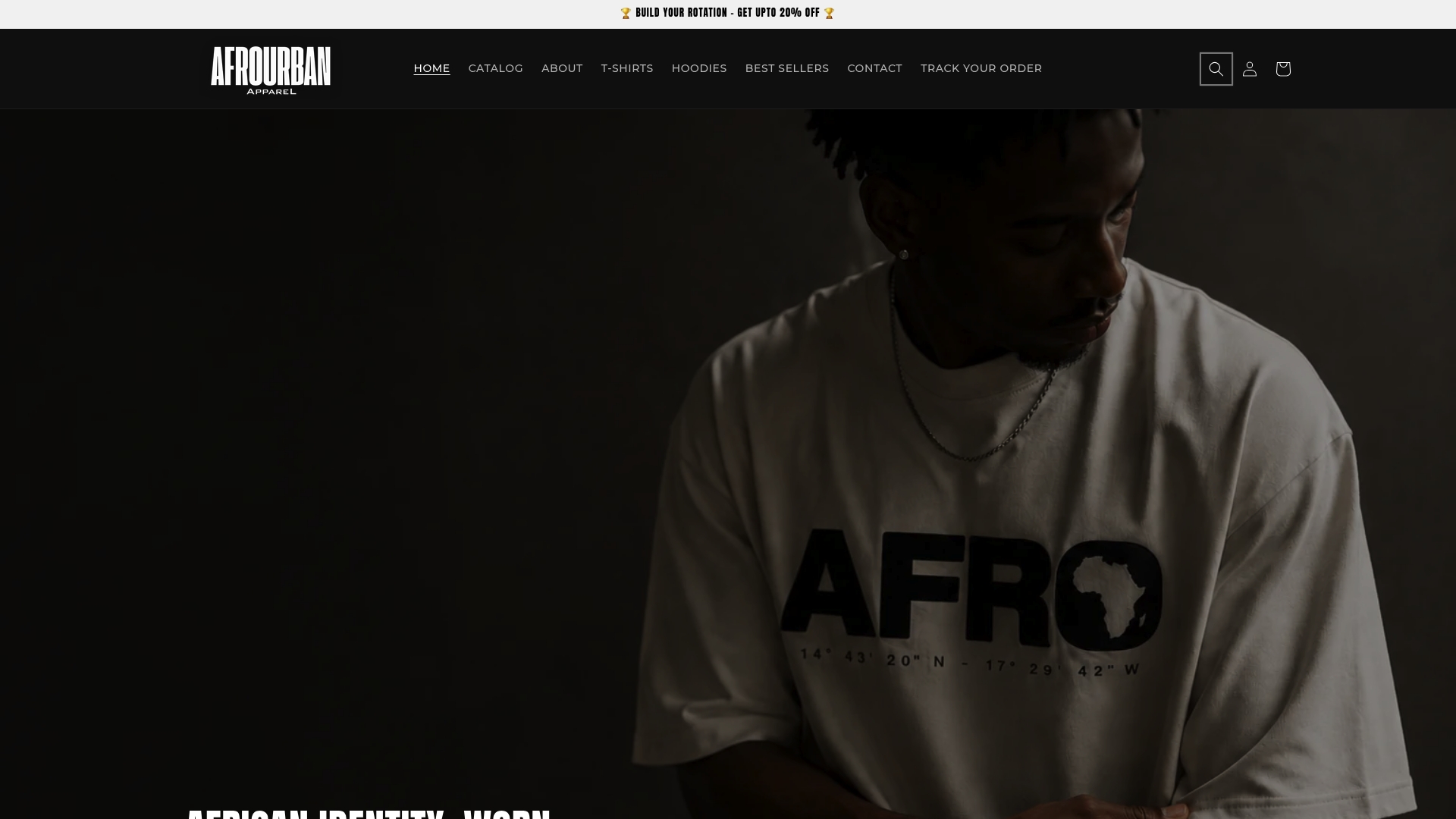
The Afro Renaissance Hoodie is a direct example of the construction standards covered in this article: cloud-soft fleece at a weight built for longevity, with African-inspired graphics placed with intention. The Legacy Hoodies collection extends that same standard across multiple silhouettes and colorways. If you are building a wardrobe around quality and cultural meaning rather than seasonal trends, Afrourbanapparel’s collection is worth your time.
FAQ
What makes streetwear different from casual wear?
Streetwear is defined by cultural intent, superior construction, and design that communicates identity. Casual wear prioritizes convenience and comfort without the same emphasis on craftsmanship or cultural storytelling.
How do I spot quality stitching in cultural streetwear?
Turn the garment inside out and look for even, double-stitched seams at stress points. Premium embroidery runs at 4,000–8,000 stitches per square inch, which you can feel as a dense, raised texture compared to flat, thin embroidery on mass-market pieces.
Why does cultural authenticity matter in streetwear?
Cultural authenticity affects both the meaning and the market value of a piece. Authentic brands with genuine community roots command stronger resale prices and longer brand loyalty than hype-driven labels with no cultural foundation.
Is premium streetwear worth the higher price?
Yes, when evaluated on cost-per-wear. A heavyweight garment built to last three or more years costs less per wearing than a cheaper piece replaced every few months, and it carries cultural and design value that casual wear cannot replicate.
What fabric weight should quality streetwear hoodies have?
Quality streetwear hoodies should use fabric rated at 400gsm or above. That weight produces the density, drape, and durability that distinguish premium streetwear from standard casual garments built on lighter, cheaper materials.