

African inspired workwear trends 2026 are defined by the fusion of traditional textiles like wax print, Aso-oke, Adire, and Bogolan with modern tailoring, performance fabrics, and sustainable production methods. This movement has moved well past novelty status. Global fashion markets now treat heritage African prints as a serious category in professional dressing, not a subcultural footnote. For young professionals who want their wardrobe to reflect both ambition and identity, this shift creates a real opportunity. The pieces available today are structured, breathable, and built for the office, not just the weekend.
What are the key African inspired textiles shaping workwear in 2026?
The most influential fabrics in African workwear styles right now are wax print, Adire, Aso-oke, and Bogolan. Each carries a distinct cultural origin and visual identity. Wax print, rooted in West and Central African trade history, delivers bold geometric patterns. Adire, a Yoruba resist-dye textile from Nigeria, produces organic indigo patterns that read as sophisticated rather than loud. Aso-oke, a hand-woven strip cloth from the Yoruba tradition, brings texture and structure. Bogolan, the mud-cloth tradition from Mali, offers earthy, graphic tones that work well in neutral-leaning office environments.
The key shift in 2026 is how these textiles are being reimagined for professional use. Traditional textiles like Aso-oke and Adire now appear in modern silhouettes like tailored bomber jackets and button-down shirts suited for creative and hybrid office settings. Designers are blending these heritage fabrics with lighter, moisture-wicking, and stretch-infused base materials. The result is a garment that looks like a cultural artifact but performs like modern workwear.
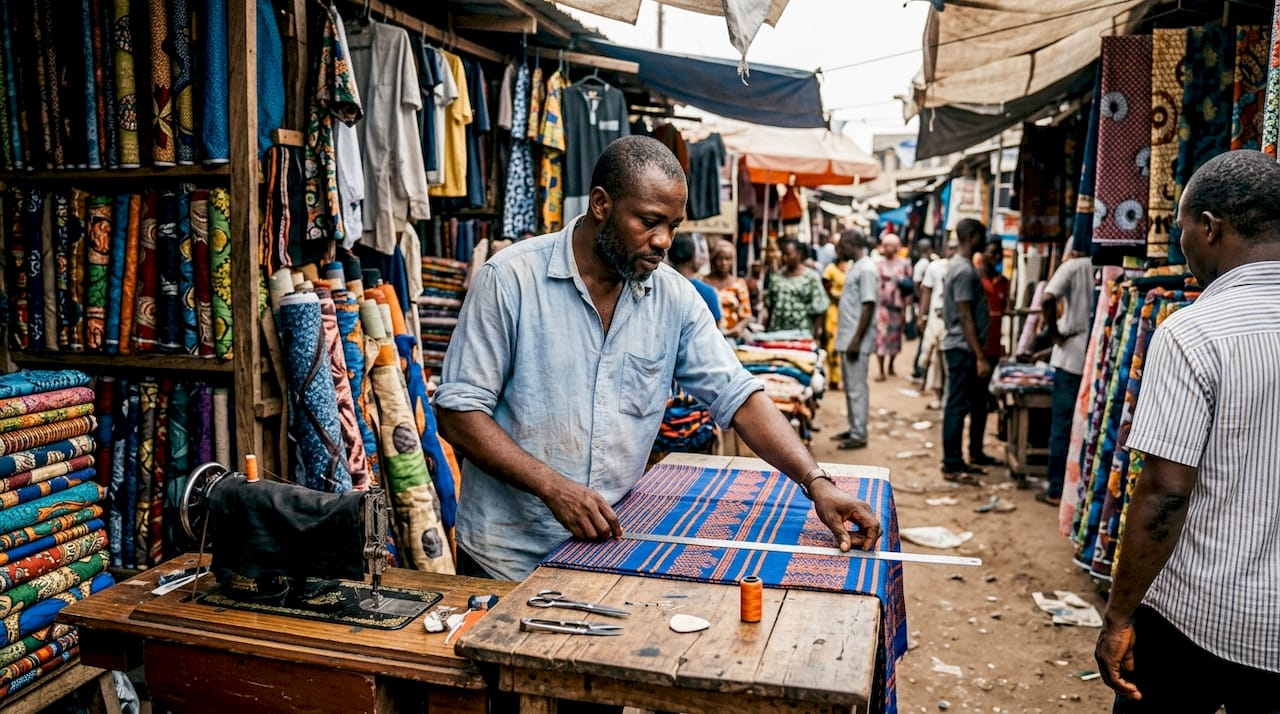
Sustainability is built into this textile story. Many of these fabrics rely on natural dyes, short production cycles, and artisanal craftsmanship. That combination reduces environmental impact while producing garments with genuine provenance. For professionals who care about sustainable African fashion, the choice is not a compromise. It is a direct alignment of values and aesthetics.
Key fabric applications to know:
- Wax print works best in structured blazers and midi skirts where the pattern can breathe without overwhelming a look.
- Adire translates well into button-down shirts and wide-leg trousers for business casual settings.
- Bogolan pairs naturally with cream, sand, and olive neutrals in tailored trouser suits.
- Aso-oke adds texture to blazer lapels, cuffs, and collar details without requiring a full print commitment.
Pro Tip: If you are new to wearing heritage textiles at work, start with Adire. Its indigo tones read as understated to colleagues unfamiliar with the tradition, while carrying deep cultural meaning for those who recognize it.
How to style African inspired workwear for different professional settings
The most effective way to wear bold African prints in conservative workplaces is the 5-piece business casual capsule strategy: one statement piece balanced with three neutral essentials. This approach keeps the look professional while letting the cultural element lead. A patterned Adire midi skirt paired with a crisp white button-up and structured blazer in camel or black is a complete, office-ready outfit.
Styling for different environments requires a clear read of the room.
- Conservative corporate settings. Use one print piece maximum. A wax print blazer over a solid dress, or Bogolan-detailed trousers with a plain shirt, signals cultural identity without disrupting office norms. Keep accessories minimal.
- Business casual and hybrid offices. This is where African workwear styles have the most room. Pair a printed Adire shirt with tailored chinos. Layer an Aso-oke textured vest over a fitted turtleneck. The goal is balance, not restraint.
- Creative industries and startups. Full print coordination becomes viable here. A matching wax print set in a structured silhouette reads as intentional and fashion-forward rather than casual.
- Client-facing roles. Structured silhouettes are non-negotiable. Structured blazers and pencil skirts provide authority while prints add interest without compromising professionalism.
- Casual Fridays and hybrid days. This is the entry point for professionals still building confidence with prints. A graphic tee featuring heritage motifs, worn with tailored trousers, works perfectly.
The biggest styling mistake is wearing full head-to-toe ceremonial prints in a professional context. That approach reads as costume rather than wardrobe. The fix is simple: one statement piece, structured silhouette, neutral anchors.
Pro Tip: Build your African-inspired capsule wardrobe around three neutral base pieces first. Once those are in place, adding a single print item per outfit becomes effortless rather than stressful.
Which colors and tailoring trends define African inspired workwear in 2026?
The color story in current workwear trends 2026 has moved decisively away from corporate black and navy. Relaxed tailoring with softer shoulders, wider leg trousers, and stretch-infused fabrics blended with African heritage textiles is the dominant direction this year. The palette that accompanies this shift includes sage green, terracotta, dusty blue, muted ochre, and warm pastels. These tones complement the earthy and vibrant qualities already present in wax print and Bogolan without competing with them.
Tailoring itself has softened. Unstructured blazers with dropped shoulders, wide-leg trousers with a gentle taper, and fluid midi skirts replace the rigid suiting of earlier decades. This silhouette works with African prints because it gives the fabric room to move and display its pattern. A stiff, close-cut suit compresses a wax print into visual noise. A relaxed, wide-leg trouser lets the same print become a statement.
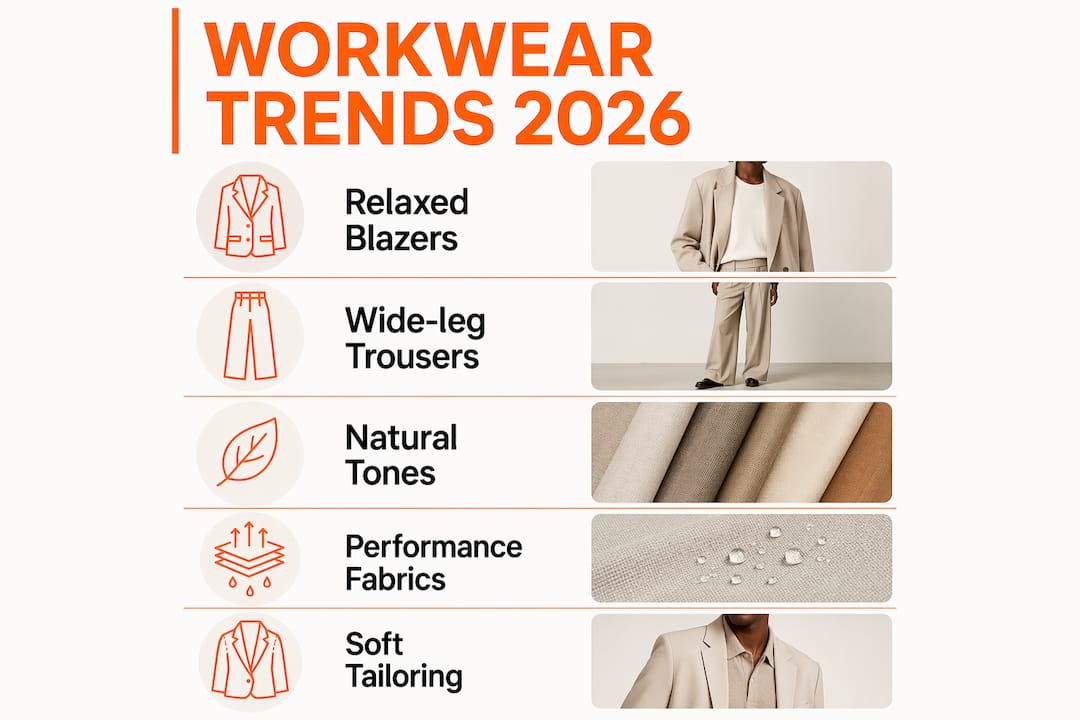
| Trend | Color palette | Fabric | Best for |
|---|---|---|---|
| Relaxed blazer | Sage, terracotta | Stretch-woven Adire blend | Business casual |
| Wide-leg trousers | Dusty blue, ochre | Wax print with spandex | Hybrid office |
| Unstructured suit | Muted pastels | Bogolan with performance lining | Creative industries |
| Midi skirt | Warm neutrals | Aso-oke strip weave | Client meetings |
Performance fabrics are the quiet upgrade in this category. Moisture-wicking linings and stretch-woven bases mean a wax print blazer worn on a busy workday stays comfortable from morning to evening. That practical detail is what separates 2026 African workwear from purely ceremonial dress.
What cultural importance does African inspired workwear hold for young professionals?
African inspired workwear in 2026 is more than a fashion category. It is a cultural statement that embraces heritage, innovation, and global influence at the same time. For young professionals in the African diaspora, wearing Aso-oke or Adire to work is an act of presence. It says: my identity belongs in this room.
Young professionals who understand the history behind indigenous African fabrics feel more confident wearing them. That confidence is not incidental. It changes how a person carries themselves, how they speak in meetings, and how colleagues perceive them. Knowing that Bogolan was historically worn by Malian hunters and warriors, or that Adire was a Yoruba women’s trade textile, adds a layer of meaning that pure aesthetics cannot replicate.
“Younger professionals who understand the history behind indigenous African fabrics feel empowered to wear such pieces, as it adds authenticity and confidence beyond mere aesthetics. This knowledge enhances wearer confidence and the cultural meaning conveyed through fashion.”
The 2026 African fashion direction rejects folkloric labels and emphasizes luxury craftsmanship and global relevance. Designers reposition heritage textiles as high-end products with precise finishes that attract international markets. That repositioning matters for professionals. It means wearing these pieces no longer requires justification. The garments speak for themselves.
Key cultural dimensions shaping this trend:
- Identity expression. Wearing heritage textiles in professional spaces normalizes African identity in global workplaces.
- Storytelling. Each fabric carries a history. Sharing that story builds connection and cultural literacy in diverse teams.
- Confidence shift. The act of choosing culturally meaningful clothing reinforces self-assurance in high-stakes environments.
- Luxury repositioning. African fashion is now recognized as a premium category, not a craft market niche.
For more context on how modern African fashion connects culture and contemporary style, the conversation goes deeper than any single trend cycle.
How are sustainability and modern production shaping professional African attire?
Sustainable African fashion in 2026 is built on three pillars: local materials, artisanal production, and garment engineering. Sustainability in African workwear includes the use of natural dyes, short production cycles, and artisanal craft to reduce environmental impact. This approach directly counters fast fashion by producing fewer, better garments with traceable origins.
Modern production techniques and garment engineering are improving mobility, comfort, and professional appearance across African-inspired workwear categories. Designers now integrate functional construction details, such as gusseted seams, stretch panels, and moisture management linings, into garments that look entirely traditional on the outside. The wearer gets cultural authenticity and physical comfort in the same piece.
Conscious professionals respond to this combination. Choosing a garment made with natural Adire dyes and hand-woven Aso-oke strips is a purchasing decision that aligns with environmental values, supports artisan communities, and produces a piece that lasts far longer than a mass-produced alternative.
Practical sustainability markers to look for when buying:
- Natural or plant-based dyes with no synthetic chemical finishing
- Hand-woven or artisan-produced fabric components
- Short supply chains with traceable regional origins
- Garment construction that prioritizes longevity over trend-driven disposability
- Brands that name their fabric sources and production partners
Key Takeaways
African inspired workwear in 2026 succeeds when heritage textiles like Adire, Aso-oke, and Bogolan are paired with relaxed tailoring, neutral anchors, and performance fabric construction for a look that is professional, comfortable, and culturally grounded.
| Point | Details |
|---|---|
| One statement piece rule | Pair a single African print item with neutral structured basics to stay office-appropriate. |
| Fabric knowledge builds confidence | Understanding the history of Aso-oke or Bogolan deepens how you wear and present the piece. |
| Relaxed tailoring is the silhouette | Wide-leg trousers and unstructured blazers give heritage prints room to read as intentional. |
| Sustainability is built in | Natural dyes, artisan production, and short supply chains make African workwear a conscious choice. |
| Color palette has shifted | Sage, terracotta, and dusty blue replace corporate black as the dominant professional tones in 2026. |
Why I think most professionals are still underusing African workwear
I have watched the conversation around African-inspired professional dressing shift considerably over the past few years. The pieces are better constructed, the color stories are more refined, and the cultural context is finally getting the respect it deserves. But most professionals still treat these garments as special occasion items. That is the mistake I keep seeing.
The real power of business casual African prints is in their everyday use. A well-cut Adire shirt worn to a Tuesday morning meeting carries more presence than a generic blue oxford. The fabric has a story. You have a story. The two working together in a professional setting is not a risk. It is an advantage.
The styling errors I see most often are predictable. Too many prints at once, ceremonial pieces worn without structural anchors, or conversely, prints buried under so many neutrals that the cultural element disappears entirely. The fix is always the same: one strong piece, one clean silhouette, and the confidence to let the fabric speak.
My honest recommendation is to spend time learning the textile before you wear it. Read about Bogolan’s origins in Mali. Understand why Adire was a Yoruba women’s economic tool. That knowledge does not just make you more interesting at work. It makes the garment feel like yours. And that shift in ownership changes everything about how you carry it.
Authenticity over trend-chasing is the only principle worth following here. Fast fashion versions of African prints exist, and they are easy to spot. Invest in pieces with real provenance, real construction, and real cultural grounding. Your wardrobe will be smaller, but every item will earn its place.
— Kebz
Afrourbanapparel: where African heritage meets everyday professional wear
Afrourbanapparel builds collections for professionals who refuse to separate identity from daily life. Every piece in the range fuses traditional African cultural elements with modern construction, using heavyweight fabrics built for durability and real-world comfort.
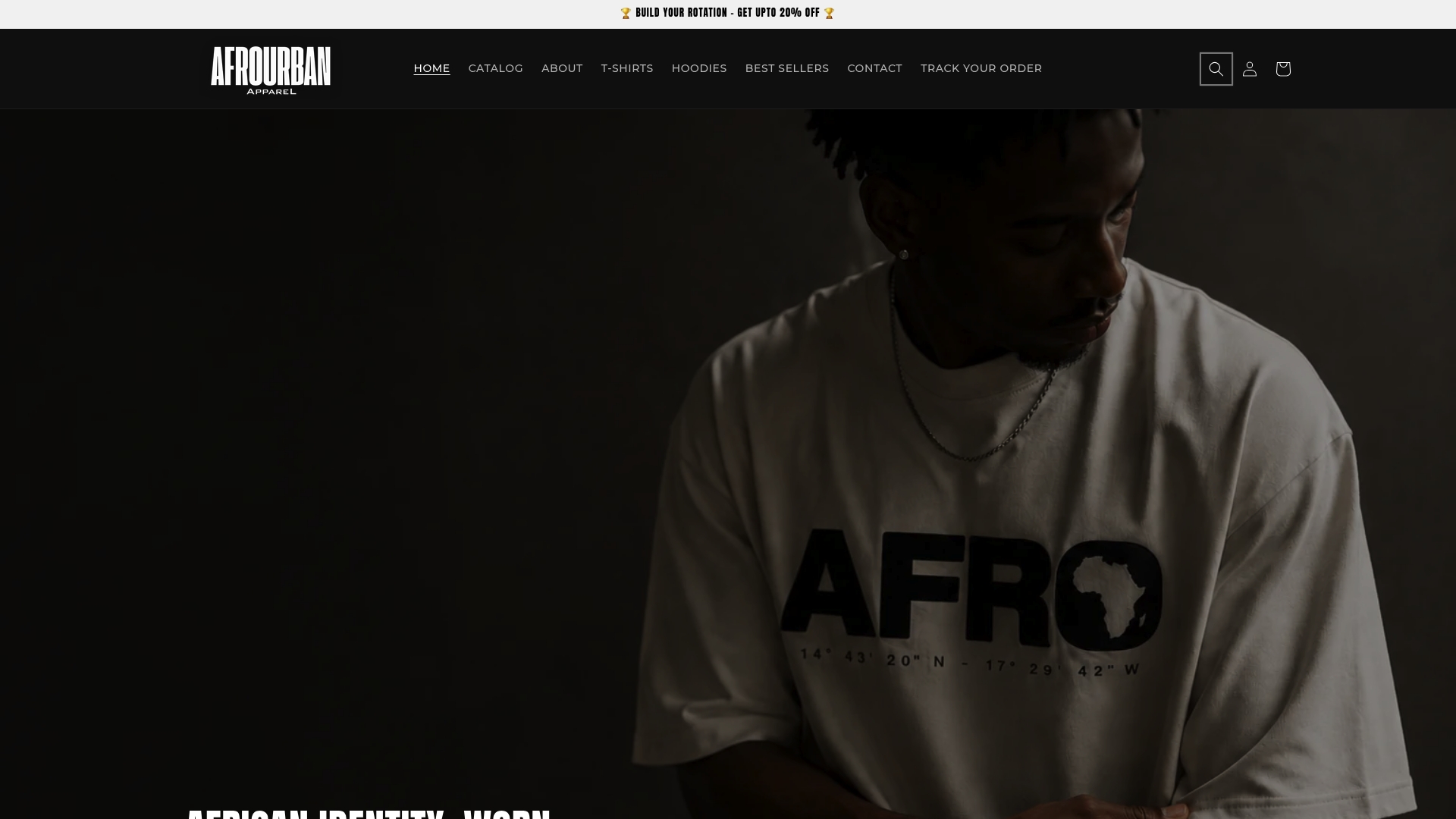
The Renaissance Series graphic tees bring heritage motifs into casual and creative professional settings without requiring a full wardrobe overhaul. For professionals building a complete African-inspired wardrobe, the full Afrourbanapparel collection offers versatile pieces designed to carry cultural meaning from Monday through Friday. Quality, authenticity, and identity are not reserved for weekends here. They are the standard.
FAQ
What fabrics are most popular in African inspired workwear for 2026?
Adire, Aso-oke, wax print, and Bogolan are the leading textiles in 2026 African workwear. Designers now blend these with stretch and moisture-wicking materials for all-day professional comfort.
How do I wear African prints in a conservative office?
Use the one-statement-piece rule: pair a single African print item with neutral structured basics like a crisp white shirt and tailored trousers. Avoid full head-to-toe print combinations in formal settings.
Is African inspired workwear considered sustainable fashion?
Yes. Many African heritage textiles use natural dyes, artisan production, and short regional supply chains, which align directly with sustainable fashion principles and reduce environmental impact.
What colors work best with African print workwear in 2026?
Sage, terracotta, dusty blue, and muted ochre are the dominant professional tones this year. These palettes complement the earthy and vibrant qualities of wax print and Bogolan without competing with the pattern.
How does knowing fabric history improve how I wear African workwear?
Understanding the cultural origin of textiles like Aso-oke or Bogolan builds confidence and authenticity. Professionals who know their fabric’s story carry the garment with more presence and intention in diverse workplace settings.