

Choose a crewneck when you need versatility and layering. Choose a hoodie when warmth and casual comfort matter most. That’s the whole decision in one sentence, and almost everything else in this guide just explains why.
- Commuting, layering under a jacket, or dressing semi-casual? A crewneck slides under outerwear without bunching and looks intentional with chinos or denim.
- Lounging, running errands, or heading outdoors in cold weather? A hoodie’s hood and kangaroo pocket add real function you’ll actually use.
Fabric weight decides most of the rest. A heavyweight crewneck can out-warm a thin hoodie, which is why Afro Urban Apparel’s heavyweight hoodie and crewneck lines both lean into thicker fabric rather than relying on style alone to carry the warmth.
Key Takeaways
Fabric weight, not silhouette, is the biggest factor separating a warm, durable sweatshirt from a mediocre one.
| Point | Details |
|---|---|
| Crewneck wins on versatility | Cleaner neckline and no hood bulk make it easier to layer under jackets or blazers. |
| Hoodie wins on warmth and casual comfort | The hood adds coverage and the kangaroo pocket adds real function for cold, casual days. |
| GSM matters more than style | A heavyweight crewneck can outperform a lightweight hoodie for actual warmth. |
| Hoodies carry more failure points | Drawstrings, eyelets, and pocket seams are wear spots crewnecks don’t have. |
| Afro Urban Apparel covers both outcomes | Its heavyweight crewneck and hoodie lines pair thick fabric with culturally inspired designs built for daily wear. |
Table of Contents
- Crewneck vs Hoodie: Neckline, Pockets, Warmth, and Durability
- Fabric Weight and Material Choices That Actually Matter
- How Do You Choose Between a Crewneck and a Hoodie?
- Outfit Ideas: Styling a Crewneck vs a Hoodie
- What the Fabric-First Approach Gets Right That Most Style Guides Miss
- Afro Urban Apparel: Heavyweight Pieces Built for Real Wear, Not Just a Season
- Frequently Asked Questions
- Sources
Crewneck vs Hoodie: Neckline, Pockets, Warmth, and Durability
The neckline is the first thing that changes how a garment behaves on your body. A crewneck sits flat and close, which is exactly why it disappears under a jacket collar or blazer without adding bulk at the neck. A hoodie’s hood does the opposite. It adds a fold of fabric at the back of your neck and shoulders, which is great for warmth but terrible for anything you’re trying to layer cleanly.
Pockets are the next fork in the road. The kangaroo pocket on a hoodie is genuinely useful. It holds your phone, warms your hands, and gives you somewhere to stash keys on a walk. A crewneck has none of that. What it does have is an uninterrupted front panel, which matters more than people realize once you start thinking about branding or print placement.

On warmth, the hood itself does add a small edge. Covering the head and neck traps a bit more heat, but that edge disappears fast once fabric weight enters the picture. A heavyweight crewneck with sufficiently thick fabric will outperform a lightweight hoodie in warmth. Style is a minor variable. Fabric weight is the major one.
Durability tips toward the crewneck too, mostly because of what a hoodie is built with. Drawstrings fray, eyelets pop loose, and the pocket seam is a stress point that a crewneck simply doesn’t have. None of that means hoodies fall apart fast. It means they carry more moving parts, and moving parts are where wear shows up first.
- Crewneck: cleaner layering, flatter neckline, fewer failure points, better print canvas
- Hoodie: added hood warmth, functional pocket, more casual silhouette, more parts that can wear out
Fabric Weight and Material Choices That Actually Matter
GSM (grams per square meter) is the single number that tells you more about a sweatshirt than “hoodie” or “crewneck” ever will. Here’s roughly how it breaks down:
- Light (180 to 240 GSM): thin, drapey, better for mild climates or layering under a coat where bulk is the enemy.
- Mid (240 to 340 GSM): the everyday range. Enough structure to hold shape, still breathable enough for year round wear.
- Heavy (340 GSM and up): thick, dense, and built to be worn alone in cold weather. This is the range Afro Urban Apparel builds its heavyweight hoodie collection around, and it’s worth checking the fabric weight guide before you buy if you’ve never shopped by GSM.
Fleece and French terry behave differently even at the same weight. Fleece is brushed on the inside, warmer, and holds prints well. French terry has a looped, slightly textured back that breathes better and drapes softer, closer to a T-shirt in feel. The French terry versus fleece breakdown lays out which fits which season.
Pro Tip: Wash heavyweight cotton blends inside out in cold water and skip the dryer’s high heat setting. Pilling and shrinkage both come from heat and friction, not from the fabric being “cheap.” The fabric care guide covers seam stress too, which matters more on hoodies with reinforced stitching around the pocket.
How Do You Choose Between a Crewneck and a Hoodie?
Ask yourself three questions before you buy anything:
- Do I need to layer this under a jacket or blazer? If yes, lean crewneck. The flat neckline and lack of hood bulk make layering predictable.
- Am I dressing for a smart-casual setting or strictly lounging? Crewnecks flex upward toward “put together.” Hoodies stay firmly in casual territory.
- Is this for outdoor cold-weather use or indoor comfort? Outdoor and cold pushes toward a heavyweight hoodie for the hood and pocket. Indoor comfort works fine with either.
Once you’ve answered those, weigh the trade-offs:
- Versatility: crewneck wins, especially in neutral colors that pair with almost anything.
- Warmth in extreme cold: hoodie wins, mostly because of hood coverage plus the option to size up for layering.
- Maintenance: crewneck wins slightly, since there’s no drawstring or zipper hardware to fail.
- Budget per garment: hoodies often cost a bit more to produce because of the extra components, which can show up in price.
If you’re building from scratch, the practical order is start with a dark, versatile crewneck, then add a midweight or heavyweight hoodie once you know how much cold-weather coverage you actually need. Crewneck first covers more days. Hoodie second covers more conditions.
Outfit Ideas: Styling a Crewneck vs a Hoodie
A crewneck’s cleanest trick is going under things. Wear one under an unstructured blazer with chinos for a smart-casual look that reads intentional, not thrown together. Crewnecks layer better under jackets and keep a cleaner neckline, which is exactly why they work for commuting between a casual office and dinner plans without a wardrobe change. A slim fit crewneck under a field jacket looks deliberate. An oversized one on its own with straight-leg denim reads relaxed streetwear.
Hoodies split into two camps. A pullover hoodie is the statement piece. Bold graphic on heavyweight fleece, worn alone or under a coat with the hood out, and it carries the whole outfit. A zip-up hoodie trades some of that visual punch for function. It layers over a T-shirt without the collar strain of a pullover, and you can vent it open when you warm up. Zip-ups regain relevance specifically because of that layering flexibility, while pullovers stay the choice when the graphic or embroidery is the point.
- Commute: slim crewneck under a jacket, chinos, clean sneakers
- Night out: pullover hoodie with a bold print, joggers, minimal accessories
- Travel day: zip-up hoodie over a tee, easy to shed at security
- Lounging: oversized hoodie and jogger set, no other decisions required
Fit changes the formality math either way. Slim fits push both pieces toward “put together.” Oversized fits push both toward streetwear, which is fine, just know which direction you’re steering.
What the Fabric-First Approach Gets Right That Most Style Guides Miss
Most comparisons treat crewneck versus hoodie like a personality test: are you a “hoodie person” or a “crewneck person”? That framing is mostly wrong. The real decision is about GSM and use case, not identity, and once you start shopping by fabric weight instead of category, the whole “which one is better” debate mostly dissolves.
Here’s what gets underrated: a crewneck’s clean chest panel isn’t just about looks. It’s the better canvas for embroidery or a large print because there’s no pocket seam or zipper track breaking up the design, which matters if you care about the artwork carrying real detail. Hoodies aren’t worse here, they’re just a different substrate.

What the reader should prioritize first is fabric weight, not silhouette. Buy the heaviest piece your climate and budget support, then decide crewneck or hoodie based on how you’ll actually wear it that week. Afro Urban Apparel’s heavyweight builds work precisely because they solve for weight first and let the silhouette follow.
Afro Urban Apparel: Heavyweight Pieces Built for Real Wear, Not Just a Season
You don’t have to guess your way through GSM charts or hope a hoodie’s stitching holds up past one winter. Afro Urban Apparel builds both silhouettes around heavyweight fabric from the start, so the warmth-versus-durability trade-off this guide walks through is already handled before you check out.
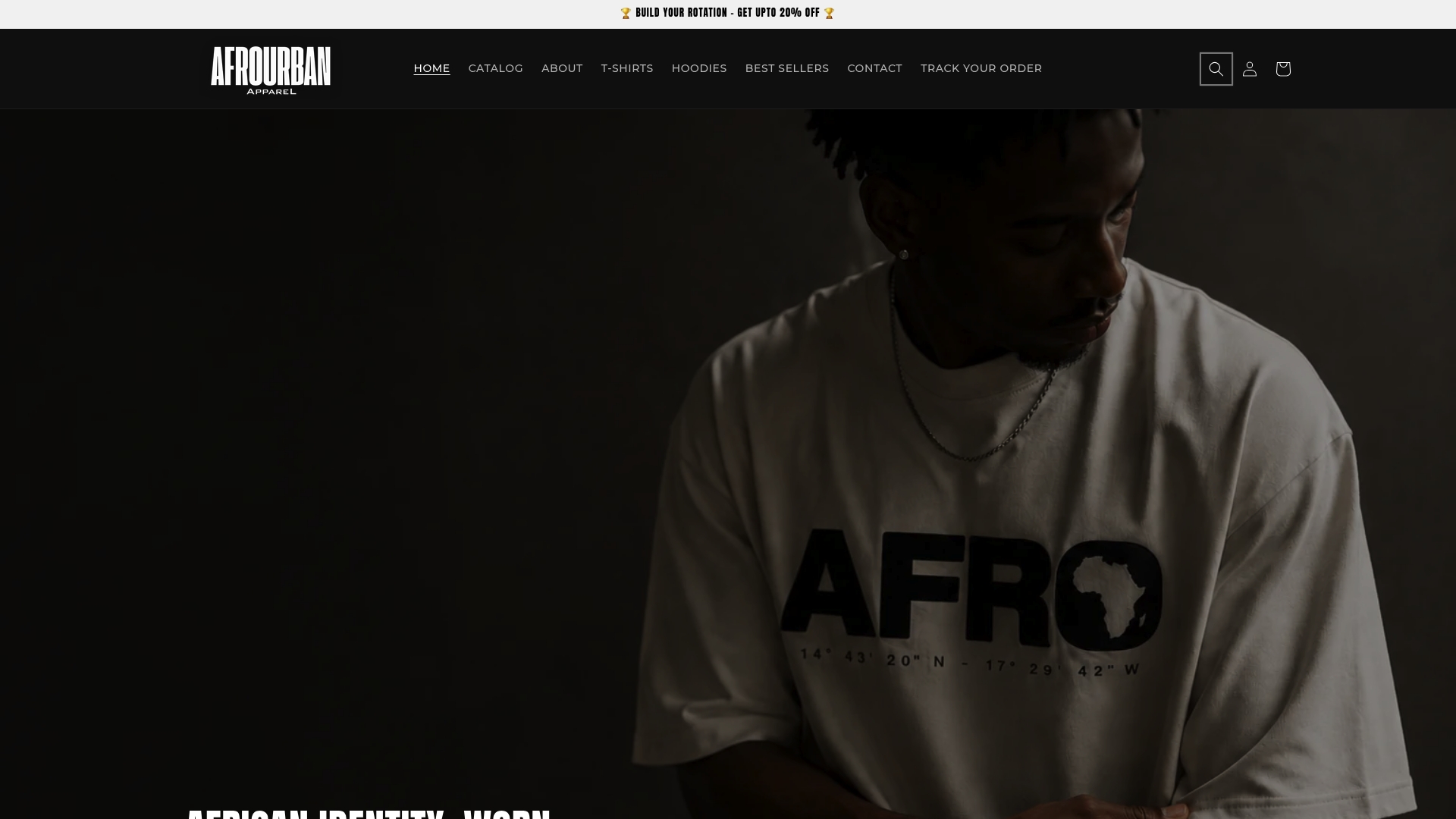
If layering and smart-casual versatility are your priority, the crewneck line gives you that clean chest panel for embroidery and a fit that slides under a jacket without bulk. If you’re solving for cold-weather warmth and everyday comfort, the heavyweight hoodie collection is built with the reinforced seams and thicker fleece this guide recommends checking for. Every design also carries cultural detail that most basics skip entirely, which is the whole point behind why quality streetwear outlasts casual wear. Start at the Afro Urban Apparel homepage to check fit notes and fabric weight on each product page before you buy.
Frequently Asked Questions
Is a crewneck warmer than a hoodie? Not automatically. A hoodie’s hood adds a small amount of extra warmth around the head and neck, but a heavier crewneck will out-warm a lighter hoodie. GSM decides warmth more than the style does.
Which layers better, a crewneck or a hoodie? A crewneck layers better under jackets and blazers because its flat neckline avoids the bulk a hood creates at the collar. Zip-up hoodies come closer to crewneck-level layering flexibility than pullover hoodies do.
Do hoodies wear out faster than crewnecks? They can, mainly because drawstrings, eyelets, and pocket seams give hoodies more places to fail over time. A well-made heavyweight hoodie with reinforced seams closes most of that gap.
What GSM should I look for in a heavyweight sweatshirt? Aim for 340 GSM or higher if you want a piece that can be worn alone in cold weather. Anything under 240 GSM is better suited to layering than standalone warmth.
Should I buy a crewneck or a hoodie first? Start with a dark, versatile crewneck since it works across more occasions, then add a heavyweight hoodie once you know how much cold-weather coverage you need.
Sources
- Hoodies vs Crewneck Sweatshirts: Which Should You Buy? | Lone Creek Apparel
- Hoodie Vs Sweatshirt: A Comprehensive Guide | Ecommerce Fastlane
- Crewneck vs Hoodie: Which to Choose for Your Team – Arklavo