

For everyday layering and year-round wear, French terry is the stronger pick. If you need a standalone winter piece that prioritizes warmth above everything else, fleece wins.
French terry at a glance:
- Breathable, structured, and holds its shape longer
- Smooth face takes prints and embroidery cleanly
- Works across seasons and activity levels
Fleece at a glance:
- Noticeably warmer and plush from the first wear
- Better for cold-weather lounging or static outdoor use
- Softer initially, but more prone to pilling over time
The core trade-off is simple: breathability and longevity versus immediate warmth and plush comfort.
Key Takeaways
French terry is the better default for most everyday use, while fleece is the right call when cold-weather warmth is the single priority.
| Point | Details |
|---|---|
| Construction drives performance | French terry’s intact loops breathe and hold shape; fleece’s brushed pile traps heat but restricts airflow. |
| GSM signals intended use | French terry runs 280–340 GSM; fleece weights are heavier, with 380+ GSM suited to cold-weather drops. |
| Durability favors French terry | Fleece pills and thins at friction points over months; French terry’s loop structure ages with less visible breakdown. |
| Printing and decoration | French terry’s smooth face handles screen printing and DTG cleanly; fleece pile can obscure fine detail. |
| Afrourbanapparel’s approach | The brand uses French terry for print-heavy pieces and fleece for cold-weather statement hoodies like the Afro Renaissance Fleece Hoodie. |
Table of Contents
- How French terry and fleece actually compare
- What is French terry fabric, and why does it perform the way it does?
- What fleece actually is (and why it feels so warm)
- The science behind why these fabrics behave differently
- Which fabric fits your actual use case?
- How to care for each fabric and what to expect long-term
- Environmental and material considerations
- Why Afrourbanapparel chooses fabrics the way it does
- Afrourbanapparel hoodies built for the fabric you just chose
- Sources
How French terry and fleece actually compare
What is French terry fabric, and why does it perform the way it does?
French terry is a single-knit fabric with a smooth exterior face and a looped interior. Those interior loops stay intact rather than being brushed out, which is why the fabric is sometimes called “loopback.” The result is a textile that breathes well, drapes cleanly, and holds its structure through repeated wear.
Most French terry uses cotton, a cotton/polyester blend, or occasionally modal. Blends in the 80/20 or 60/40 cotton/poly range reduce shrinkage and improve colorfastness, which matters if you’re washing a garment weekly. Fiber blend ratios directly affect shrinkage, cost, and durability, so the blend is worth checking on any product label.
The weight range tells you a lot about intended use. Lightweight French terry at 280–300 GSM suits warm-weather athleisure and active layering. Midweight at 320–340 GSM is genuinely year-round, comfortable in a 50°F morning and not suffocating by noon. That midweight range is where most quality hoodies and joggers land.
Common French terry garments: hoodies, crew sweatshirts, joggers, lightweight track jackets, and baby onesies.
Pros:
- Breathes well during movement
- Smooth face is ideal for screen printing and DTG
- Maintains silhouette better than fleece over time
- Works for sensitive skin because the loops stay soft without abrasive texture
Cons:
- Less warm than fleece as a standalone cold-weather layer
- 100% cotton versions can shrink if not pre-shrunk
Pro Tip: When buying a French terry hoodie, check whether the cotton is sanforized or pre-shrunk. Unsanforized cotton can shrink noticeably in the first wash, which changes both fit and silhouette.
What fleece actually is (and why it feels so warm)
Fleece starts with a knit base, then goes through a mechanical brushing or napping process that raises the fiber ends on the reverse side into a soft pile. That pile traps air, and trapped air is what creates warmth. The napped pile is what gives fleece its higher thermal insulation compared to French terry, but it also reduces breathability because airflow through the fabric is restricted.
There are several distinct fleece variants worth knowing:
- Brushed cotton fleece: a natural-fiber option, heavier and warmer than French terry but still breathable relative to polyester fleece. Common in premium streetwear.
- Polyester fleece (polar fleece): lightweight, fast-drying, and very warm. Standard in outdoor and athletic gear. Sheds microplastics when washed.
- Double-faced fleece: brushed on both sides, extremely soft, used for blankets and premium outerwear liners.
- Fleece-lined French terry: a hybrid construction with a French terry exterior and a fleece interior. Combines the smooth printable face of French terry with the warmth of fleece.
The initial plushness of fleece can actually mask how the fabric ages. The brushing process that creates the pile intentionally breaks surface loops, and those broken loops are what eventually pill and collapse with repeated washing. A fleece hoodie that feels incredible at first wear may look noticeably worn after a season of regular use.
Pro Tip: To slow pilling on fleece, wash it inside out on a gentle cycle and skip the dryer entirely when possible. The drum’s mechanical action accelerates surface breakdown.
Common fleece garments: heavyweight hoodies, zip-up sweatshirts, blankets, outer-layer pullovers, and cold-weather loungewear.
The science behind why these fabrics behave differently
The performance gap between French terry and fleece comes down to one structural difference: intact loops versus broken, brushed pile.
In French terry, the interior loops remain closed. Air can move through the fabric, moisture from the skin can travel outward, and the structure stays dimensionally stable. Knit fabrics are built from interlooped yarns that create inherent stretch and recovery, and French terry preserves that loop integrity on both faces. That’s why it breathes and why it holds its shape.

Fleece breaks those loops deliberately. The brushing process creates loft, and loft traps air. Trapped air is an excellent insulator, which is why fleece feels warmer at the same weight. But that same loft blocks ventilation. Under exertion, moisture builds up against the skin rather than moving through the fabric, which is why fleece can feel clammy during a workout in a way that French terry rarely does.

GSM (grams per square meter) measures weight, not thickness. A 320 GSM French terry and a 320 GSM fleece feel very different in hand because the fleece has more loft. The fleece reads as thicker and warmer even at the same weight, purely because of how the pile sits.
| Fabric | Typical GSM Range | Loft Level | Breathability | Best Season |
|---|---|---|---|---|
| Lightweight French terry | 280–300 GSM | Low | High | Spring / Summer |
| Midweight French terry | 320–340 GSM | Low–Medium | High | Year-round |
| Standard fleece | a higher GSM range typical for cooler seasons | High | Low–Medium | Fall / Winter |
| Heavyweight fleece | the highest GSM range typical for cold weather | Very High | Low | Winter |
Pro Tip: For a brand building a seasonal drop, match GSM to the intended wear window. A 280–300 GSM French terry reads as a spring/summer athleisure piece; a 380+ GSM fleece signals a cold-weather premium drop. Mismatching weight to season confuses the customer before they even try it on.
Which fabric fits your actual use case?
The right choice depends less on personal preference and more on what you’re doing when you wear it.
- Everyday hoodie for commuting or errands: French terry. It layers under a coat without adding bulk, breathes during a walk, and holds its shape through a full day.
- Gym warm-up or cool-down layer: French terry. Breathability matters the moment your body temperature rises. Fleece traps heat and moisture in ways that feel uncomfortable during movement.
- Weekend lounging at home in winter: fleece. You’re stationary, it’s cold, and you want maximum comfort. This is exactly what fleece is built for.
- Travel layer (plane, train, variable temperatures): French terry. It compresses better, doesn’t overheat in a warm cabin, and looks cleaner than a bulky fleece when you arrive.
- Baby clothing and sensitive skin: French terry, specifically a soft cotton blend. The smooth face and intact loops are gentler than brushed pile, and the breathability reduces overheating risk. Fleece can be too warm and may irritate sensitive skin with its texture.
- Cold-weather outer layer (below 40°F): fleece, or a fleece-lined hybrid. At that temperature range, insulation outweighs breathability for most people.
- Garments with bold prints or detailed embroidery: French terry. The smooth face handles screen printing and DTG with significantly less risk of detail loss compared to fleece’s pile surface.
Layering French terry under outerwear is one of the most practical ways to extend its seasonal range without adding bulk or sacrificing breathability.
How to care for each fabric and what to expect long-term
Both fabrics reward the same basic care habits, but fleece needs a little more attention to stay looking good.
Care checklist (applies to both fabrics):
- Wash in cold water. Hot water accelerates shrinkage in cotton blends and breaks down fiber structure faster in both fabrics.
- Turn the garment inside out before washing. This protects the exterior face from friction against other items in the drum.
- Use a gentle cycle. High-speed agitation is the main driver of pilling in fleece and can stress French terry loops over time.
- Air dry when possible, or use low heat. High heat is the single fastest way to shrink cotton-blend French terry and to mat fleece pile permanently.
- Reshape heavyweight pieces while damp. Fleece hoodies especially can distort at the hem and cuffs if left to dry in a crumpled state.
Following cold-wash and low-heat protocols consistently extends the life of both fabrics noticeably.
Durability patterns to expect:
French terry’s loop structure stays intact through regular washing, which means the fabric ages with less visible breakdown. You might see slight fading in cotton versions, but the texture and silhouette hold. Fleece’s brushed surface is more prone to pilling and structural thinning after months of wear, particularly at friction points like cuffs, collar, and underarms.
For pilling prevention on fleece, a fabric shaver (a lint remover with a rotating blade) can restore the surface between seasons. It won’t reverse structural thinning, but it keeps the garment looking presentable longer.
Pro Tip: Before buying, rub a fabric swatch between your fingers firmly for 30 seconds. If the surface pills or sheds fiber immediately, that’s a sign of low-quality brushing or a weak yarn. Quality fleece and French terry should both resist that test.
For more detailed care guidance specific to streetwear construction, Afrourbanapparel’s fabric care guide covers washing, drying, and storage for heavyweight garments.
Environmental and material considerations
The fiber content of your garment matters beyond performance. Both French terry and fleece can be made from cotton, polyester, or blends, and each choice carries different environmental trade-offs.
- 100% cotton French terry is biodegradable and doesn’t shed synthetic microfibers in the wash. Organic cotton versions reduce pesticide impact, though they typically cost more. Look for GOTS (Global Organic Textile Standard) certification if this matters to you.
- Polyester fleece is durable and often cheaper, but it sheds microplastic fibers with every wash. Those microfibers pass through most wastewater treatment systems and accumulate in waterways. A microfiber-catching laundry bag (such as a Guppyfriend) can reduce shedding significantly.
- Recycled polyester fleece uses post-consumer plastic bottles as feedstock, which reduces virgin plastic demand. It still sheds microfibers, but the upstream environmental cost is lower.
- Cotton/poly blends in both fabrics offer a middle ground: reduced shrinkage and better colorfastness compared to 100% cotton, with less microfiber shedding than 100% polyester. An 80/20 cotton/poly blend is a common choice for brands balancing performance and sustainability.
For brands making sourcing decisions, ethical fabric sourcing practices cover certified-cotton options and recycled-content claims worth verifying before committing to a supplier.
Pre-shrunk or sanforized labels on cotton-blend garments indicate the fabric has been treated to minimize post-purchase shrinkage, which extends garment life and reduces the chance of a customer discarding a piece after the first wash.
Why Afrourbanapparel chooses fabrics the way it does
Fabric choice at Afrourbanapparel isn’t just a performance decision. It’s a design decision.
The brand’s streetwear pieces carry bold prints, chenille embroidery, and culturally specific graphic work that demands a fabric surface capable of holding that detail without distortion. French terry’s smooth face is the practical reason it appears in pieces where the design is the centerpiece. A fine-detail screen print on a brushed fleece surface loses edge definition in ways that matter when the graphic is doing cultural work, not just decorative work.
Fleece earns its place in the lineup for a different reason: there are moments when the garment’s job is warmth and presence, not print fidelity. The Afro Renaissance Fleece Hoodie is built for exactly that, a heavyweight cold-weather piece where the fabric’s plush weight is part of the statement. Chenille embroidery, which sits on top of the pile rather than into it, works well on fleece for the same reason it works on carpet: the texture becomes part of the visual.
The silhouette question also shapes the choice. French terry holds a cleaner line through the torso and sleeve, which matters for pieces meant to layer under outerwear or sit against the body without bulk. Fleece adds volume by nature, which suits a drop-shoulder or relaxed cut but can overwhelm a more structured silhouette.
Afrourbanapparel hoodies built for the fabric you just chose
If you’ve landed on French terry for its breathability and print quality, or on fleece for its warmth and presence, Afrourbanapparel has pieces built around both.
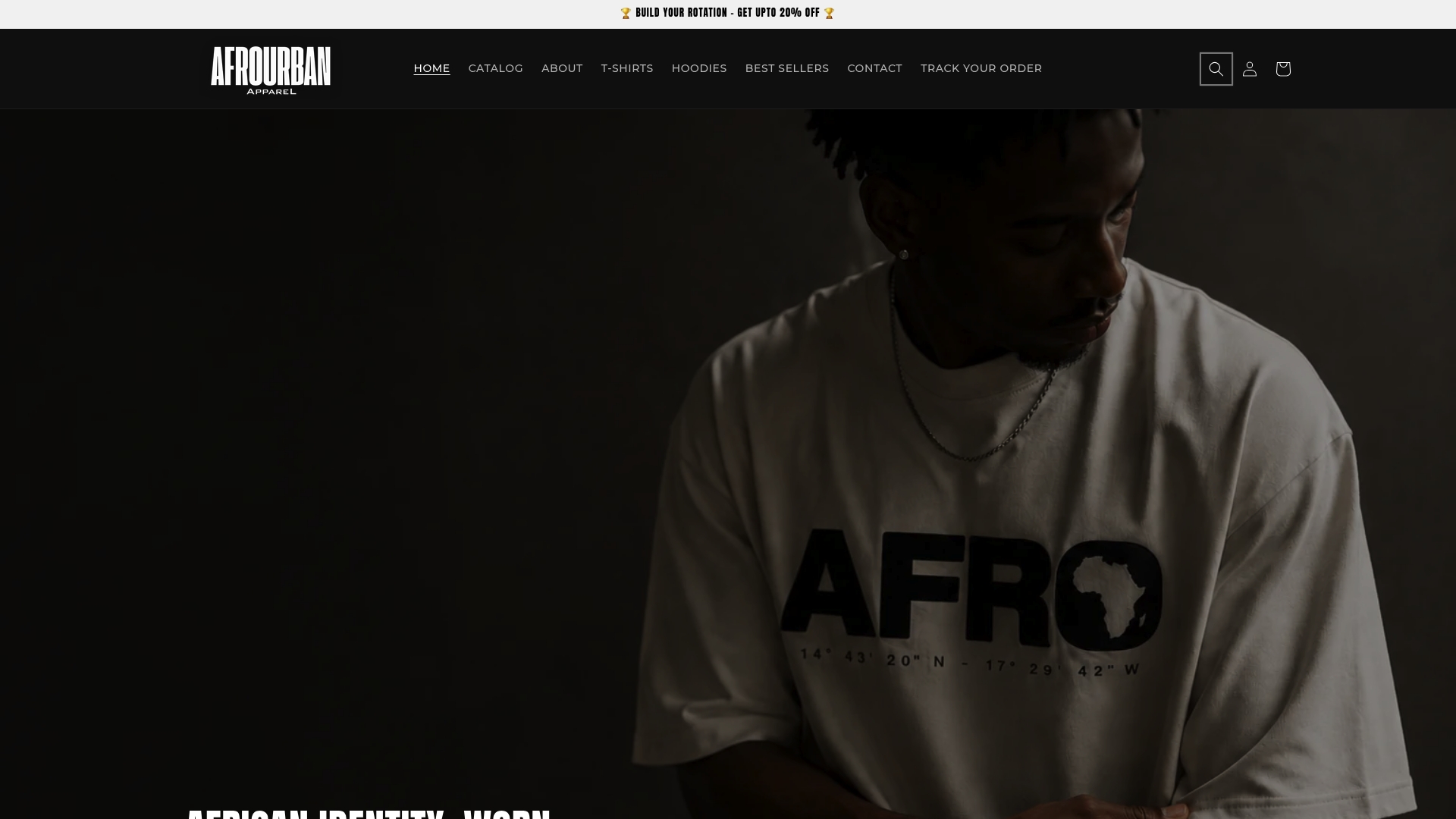
The brand’s hoodie lineup covers the full range: everyday French terry pieces designed for layering and cultural expression through bold graphics, and heavyweight fleece options built for cold-weather wear where warmth and texture do the talking. Every piece uses the fabric weight and construction that fits its intended use, not a one-size-fits-all approach. Fabric details and care instructions are listed on each product page so you know exactly what you’re buying before it arrives.
Browse the full collection at Afro Urban Apparel and find the hoodie that fits both your climate and your identity.
Sources
- French Terry vs Fleece Hoodies: 2026 Technical Fabrication Guide
- French Terry vs Fleece Hoodie: Which Is Better (2026) — 1abel
- French Terry vs Fleece Explained | tasc Performance
- Fleece vs French Terry: A Sourcing Guide for Custom Sportswear Buyers - Fexwear
- Construction: Knits — Textile Research Lab (Pratt)
Recommended
- Layer African Textiles Into Bold Urban Looks – Afro Urban Apparel
- Types of Ethical Fabric Sourcing in Fashion: Full Guide – Afro Urban Apparel
- Natural Fiber Benefits for Streetwear: Your 2026 Guide – Afro Urban Apparel
- The Afro Renaissance Hoodie — Cloud-soft comfort. Warmth you can feel. – Afro Urban Apparel