

The best fabric care practices for streetwear are defined by four non-negotiable habits: cold water washing, minimal wash frequency, inside-out garment handling, and dry storage. These methods preserve fabric integrity, color vibrancy, and print longevity across cotton, fleece, and graphic-heavy pieces. Streetwear garment maintenance, as the industry calls it, is not complicated. It is consistent. Afrourbanapparel builds its heavyweight, culturally inspired pieces to last, but even the most durable fabric degrades without the right care routine. The steps below are grounded in expert consensus and apply to every piece in your wardrobe.
1. Fabric care best practices for streetwear start with cold water
Cold water is the single most important variable in streetwear fabric maintenance. Cold water at 30°C/86°F or lower prevents fiber shrinkage, color bleeding, and graphic cracking. Hot water breaks down the dye bonds in cotton and fleece, which means your colorways fade faster and your prints crack sooner.
The benefits of cold washing go beyond temperature. Cold cycles also use less energy and put less mechanical stress on fabric fibers. For heavyweight pieces like hoodies and graphic tees, that reduced stress adds up to noticeably longer garment life.
- Wash at 30°C or below for every cycle
- Select the gentle or delicate machine setting to reduce agitation
- Avoid mixing streetwear with heavy denim or items with metal hardware
- Wash similar fabrics together to reduce friction and pilling risk
Pro Tip: Skip fabric softener on fleece and printed items. Fabric softeners leave chemical residue that clogs fibers and weakens print adhesion, making graphics more prone to cracking over time.
2. Turn garments inside out before every wash
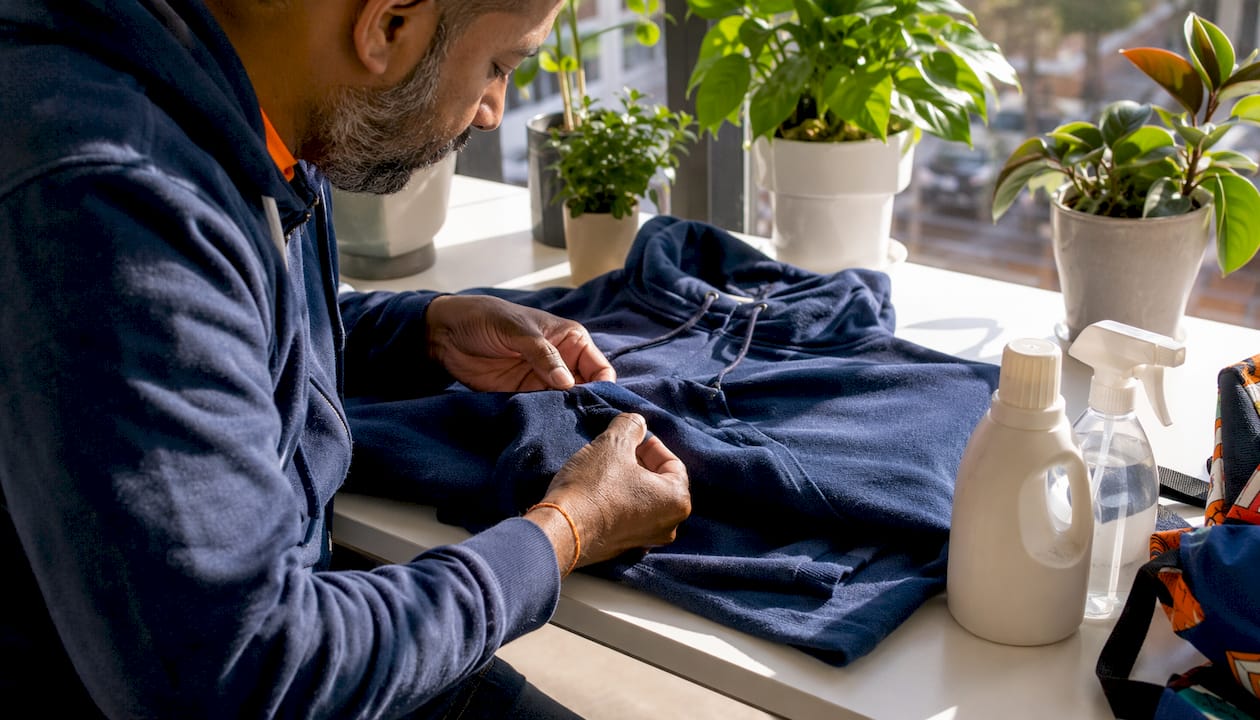
Turning a garment inside out before washing is one of the most effective and most overlooked steps in streetwear care. Inside-out washing protects screen prints, embroidery, and puff prints from rubbing against the machine drum or other garments’ zippers. That friction is a primary cause of graphic degradation.
This rule applies to every wash, not just the first few. The drum of a washing machine is abrasive by design. Every cycle without this protection removes a thin layer of print adhesion. Over dozens of washes, the difference between inside-out and right-side-out washing is visible.
For embroidered pieces, inside-out washing also prevents thread snags. Afrourbanapparel’s culturally inspired graphics and embroidery details deserve that level of protection on every single wash.
3. Wash less often and use spot cleaning between wears
Over-washing is the most common mistake among streetwear enthusiasts. Washing after every single wear degrades fabric integrity, fades colors, and flattens the drape of your pieces faster than almost any other habit.
The fix is a proactive spot-cleaning routine. Here is how to do it:
- Air out garments on a hanger after each wear to release odors and moisture.
- Use a fabric refresher spray between wears to maintain freshness without water.
- Spot-clean collars and cuffs with a microfiber cloth and diluted mild detergent.
- Blot stains immediately. Do not rub, which spreads the stain and pushes it deeper into the fiber.
- Reserve a full machine wash for visible soiling, heavy sweat, or after three to five wears.
Pro Tip: A small spray bottle with diluted dish soap and water works as a portable spot cleaner. Apply, blot with a clean microfiber cloth, and let air dry. This handles most collar and cuff buildup without a full wash cycle.
4. Air dry instead of using a machine dryer
Machine dryers are the fastest way to destroy streetwear. High dryer heat causes shrinkage and reactivates plasticizers in screen-printed inks, which makes prints bond to other garments and peel away from the fabric. One high-heat cycle can do damage that no amount of careful washing can reverse.
Air drying is the standard for quality streetwear longevity. The method matters as much as the decision to air dry.
- Hang hoodies and sweatshirts on broad-shoulder hangers to preserve shape
- Air dry on flat racks in the shade for heavyweight pieces prone to shoulder distortion
- Remove garments while still slightly damp to reshape them by hand
- Never dry in direct sunlight, which fades colors as aggressively as heat
“Removing clothes while damp prevents heat-related graphic damage and gives you the chance to reshape the garment before it sets. This step alone extends print life significantly.”
For heavyweight hoodies, lay them flat on a clean surface or a mesh drying rack. Hanging a wet, heavy hoodie stretches the shoulder seams and distorts the body shape over time.
5. Store streetwear in cool, dry, ventilated spaces
Proper storage is as important as washing for long-term preservation of streetwear quality. Most enthusiasts focus entirely on washing and ignore storage, which accounts for a significant portion of fabric and graphic deterioration.
The table below shows the best and worst storage approaches for common streetwear pieces.
| Garment Type | Best Storage Method | What to Avoid |
|---|---|---|
| Heavyweight hoodies | Fold and stack on a shelf | Hanging (stretches shoulders) |
| Graphic tees | Fold inside out in a drawer | Plastic bins (trap moisture) |
| Embroidered pieces | Breathable garment bag with acid-free tissue | Wire hangers (distort shape) |
| Heavy knits | Flat fold, cedar block nearby | Plastic bags (cause mildew) |
| Printed sweatpants | Fold loosely, cool dry shelf | Compressed storage bags |
Breathable garment bags and acid-free tissue minimize friction and light exposure for pieces you rotate less frequently. Inspect stored garments every few months. Air them out for a few hours to prevent mildew from building up in fabric fibers.
6. Handle pilling, stains, and print cracking correctly
Common fabric problems in streetwear are manageable when you address them correctly from the start. The wrong response to pilling or a stain causes more damage than the original issue.
- Pilling: Pilling on heavyweight fleece after initial washes is normal. Use a fabric shaver to remove pills safely. Never pull pills by hand. Pulling thins the fabric and creates weak spots that worsen with each wash.
- Stains: Pre-treat stains with a small amount of diluted mild detergent before washing. Avoid hot water during pre-treatment, which sets the stain permanently into the fiber.
- Bleach: Never use bleach or harsh chemical cleaners on streetwear. Bleach destroys dye bonds and graphic adhesion simultaneously.
- Print cracking: Cracking accelerates when prints are exposed to heat or folded while still damp. Always let garments dry fully before folding. Store printed pieces flat or loosely rolled to avoid crease lines forming across graphics.
- Tackiness in screen prints: Tackiness signals heat damage to the plasticizers in the ink. Reduce dryer use immediately and switch to cold air drying to stop further degradation.
Understanding ethical fabric sourcing also helps you predict how a fabric will behave under stress. Higher-quality sourced materials generally respond better to gentle care and recover more predictably from minor damage.
Key Takeaways
The most effective streetwear fabric care combines cold water washing, minimal wash frequency, inside-out handling, air drying, and dry ventilated storage to protect fabric integrity and print quality over the long term.
| Point | Details |
|---|---|
| Cold water washing | Wash at 30°C or below every cycle to prevent shrinkage, color bleed, and print cracking. |
| Wash less, spot clean more | Air out after each wear and spot clean collars and cuffs to extend intervals between full washes. |
| Turn inside out | Protect graphics and embroidery from drum abrasion by turning garments inside out before every wash. |
| Air dry always | Skip the dryer entirely. Air dry on broad-shoulder hangers or flat racks to preserve shape and prints. |
| Store smart | Fold heavy knits and hoodies. Use breathable garment bags and avoid plastic bins that trap moisture. |
What I’ve learned from caring for pieces that actually matter
Most fabric care advice treats all clothing the same. Streetwear is not the same. A graphic hoodie that carries cultural meaning, or a heavyweight piece you saved up for, deserves a different level of intention than a basic white tee.
The habit that changed everything for me was washing less. Not because I stopped caring about cleanliness, but because I realized I was washing out of habit rather than necessity. Air drying after a wear, using a fabric refresher, and spot cleaning the collar extended my wash cycles dramatically. The pieces I care about most have held their color and print quality far longer because of that single shift.
Storage discipline is the other underrated factor. I used to hang everything. Heavy hoodies on wire hangers, knits on plastic ones. The shoulder distortion and stretched necklines were slow enough that I did not notice until the damage was done. Folding heavyweight pieces and using breathable garment bags for the ones I rotate less often made an immediate difference.
The broader point is this: slow fashion principles and good fabric care are the same philosophy. Buy fewer pieces. Care for them deeply. Wear them longer. That approach works especially well for culturally inspired streetwear, where the garment carries meaning beyond its material. Treat it accordingly.
— Kebz
Afrourbanapparel’s streetwear is built to reward good care
Afrourbanapparel designs its pieces with heavyweight fabric and culturally rooted graphics that hold up when you treat them right. The care practices in this article are exactly what those garments are built for: cold washes, air drying, and thoughtful storage that keeps the color and print quality intact wear after wear.

The Legacy Hoodies collection features heavyweight construction that responds well to the flat-drying and fold-storage methods covered above. These are pieces built for daily wear and long-term identity, not single-season use. If you are building a wardrobe around quality and cultural meaning, Afrourbanapparel’s full collection is the right place to start.
FAQ
What temperature should I wash streetwear at?
Wash streetwear at 30°C/86°F or lower on every cycle. Cold water prevents shrinkage, color bleeding, and graphic cracking.
How often should I wash streetwear?
Wash streetwear every three to five wears rather than after every use. Air out garments between wears and spot clean collars and cuffs to maintain freshness without full wash cycles.
Can I put streetwear in the dryer?
Avoid machine dryers for streetwear. High heat shrinks cotton, reactivates plasticizers in screen-printed inks, and causes prints to peel. Air dry on broad-shoulder hangers or flat racks instead.
How do I remove pilling from a fleece hoodie?
Use a fabric shaver to remove pills from heavyweight fleece. Never pull pills by hand, as that thins the fabric and creates weak spots that worsen over time.
Does turning clothes inside out really protect graphics?
Yes. Turning garments inside out before washing shields screen prints, embroidery, and puff prints from drum abrasion and zipper friction, which are primary causes of graphic degradation.