

Chenille embroidery is the right call for bold, heritage-inspired streetwear. That 3–5 mm plush pile turns a chest graphic or varsity letter into something you can feel, not just see. Afrourbanapparel uses it on heavyweight hoodies for exactly that reason. If you’re planning a piece, start with a heavyweight hoodie or varsity jacket and request a mockup or patch proof before full production.
Table of Contents
- What chenille embroidery actually is and why it feels different
- Design rules: what works and what to avoid on streetwear
- Materials, finishes, and customization options you can expect
- How chenille compares to puff printing and appliqué
- Best garments and placements for African-inspired streetwear
- Care, maintenance, and repair tips for chenille pieces
- How to commission chenille work: pricing, timeline, and what to ask
- Designing with cultural respect: incorporating African heritage motifs
- Where to find quality chenille embroidery services for streetwear
- Environmental and ethical considerations in chenille production
- Afrourbanapparel’s chenille hoodies: what you get and how to shop
- Key Takeaways
- Why chenille matters for diaspora streetwear right now
- Sources and further reading
What chenille embroidery actually is and why it feels different
Chenille creates a raised, soft loop-pile surface using moss stitch for the vertical pile and chain stitch for defined outlines, rather than the flat lockstitch you get from standard embroidery. The result is a textile surface that reads as premium the moment someone touches it.
Key physical traits:
- Pile height: a plush size that gives visible volume and shadow
- Texture: soft, plush, almost velvet-adjacent
- Visual depth: colors shift slightly with light angle, adding dimension
- Typical uses: varsity letters, large patches, bold chest logos, hat fronts
Pile height of 3–5 mm is what separates chenille from every other embroidery technique on a hoodie.
Design rules: what works and what to avoid on streetwear
The single rule that decides success: keep your forms bold and large. Chenille’s pile physically blurs fine lines, so any detail smaller than roughly half an inch collapses into a fuzzy mass.
Sizing in practice: letters should be at least moderately tall for legibility. Thick block fonts, solid shapes, and clean geometric motifs read clearly. Thin serifs, tight crosshatching, and small text do not.
Common pitfalls to avoid:
- Overlapping colors at small scale — the pile from adjacent zones merges
- Tiny serifs or script fonts — loops obscure the letterform
- Tightly packed detail — spacing between elements needs to be generous
Pro Tip: For logos that mix bold fill areas with crisp outlines, use a hybrid chenille + satin-stitch approach. The chenille carries the body; satin stitch locks the edges clean. This is the industry standard for varsity-style graphics.
When chenille is the wrong choice: small text under 1 inch, highly detailed emblems, photorealistic graphics. For those, standard lockstitch or puff printing serves better.
Materials, finishes, and customization options you can expect
The typical materials stack is thick acrylic or polyester chenille yarn on a felt or twill base, finished with either a heat-seal or sew-on backing. Manufacturers offer up to 106 thread colors and 17 felt base options, including metallic finishes, which gives you real range for matching cultural color palettes.

| Option | What’s available |
|---|---|
| Thread colors | Extensive variety, including metallics |
| Felt base types | Multiple options with color and texture variations |
| Backing method | Heat-seal or sew-on |
| Wash durability | Manufacturer-reported durability with typical home washing |
Heavyweight garments (12 oz+ fleece, thick varsity wool) are preferred because the base fabric needs to support the patch’s weight and resist distortion. Lighter tees tend to pucker around large chenille applications.
Customization checklist when ordering:
- Specify pile height preference (standard 3–5 mm or request variation)
- Choose felt base color to complement or contrast your thread palette
- Confirm metallic thread availability if your design uses gold or silver tones
- Decide heat-seal vs. sew-on based on garment weight
How chenille compares to puff printing and appliqué
Chenille’s clearest advantage over puff printing (estampado puff) is tactile permanence. Puff ink expands during curing to create a lighter raised effect, but it sits on the fabric surface rather than being structurally woven into it. Appliqué is flat layered fabric with no pile at all.

| Technique | Tactile feel | Durability | Best for | Detail resolution |
|---|---|---|---|---|
| Chenille | Plush, deep pile | High (structural) | Large logos, varsity letters | Low — bold forms only |
| Puff print | Soft raised surface | Moderate | Medium graphics, text | Medium |
| Appliqué | Flat, fabric texture | High | Geometric shapes, flags | Medium |
| Hybrid chenille | Plush + crisp edge | High | Complex logos | Medium-high |
Chenille tends to cost more than the alternatives because it requires specialized looper or tufting machinery rather than standard lockstitch heads, plus a distinct digitization step that controls loop density and chain stitch trims.
Best garments and placements for African-inspired streetwear
Heavyweight hoodies, varsity jackets, and large back panels are where chenille reads best. The fabric weight supports the patch, and the surface area lets the design breathe.
Placement breakdown:
- Center chest: the strongest statement position; works for bold logos 4–8 inches wide
- Full back panel: maximum visual impact for large heritage graphics or Adinkra-inspired motifs
- Left chest initials: classic varsity placement, 2–3 inch letters
- Sleeve patches: secondary branding or cultural symbols; keep them under 3 inches
- Hat fronts: chenille is a natural fit for structured caps; limit to 2–3 inches
Proportion matters. A 3-inch patch on a back panel disappears. A 10-inch graphic on a chest looks crowded. The sweet spot for a center-chest piece on a standard hoodie is roughly 5–7 inches wide. For cultural motifs like Kente-inspired geometric blocks or Adinkra symbols, scale up and simplify: the pile will handle the visual weight.
Care, maintenance, and repair tips for chenille pieces
The single best care rule: turn the garment inside out, wash on a gentle cycle in cold water, and air-dry flat. Heat and agitation are the two things that degrade pile fastest.
Care checklist:
- Wash: gentle cycle, cold water, inside out
- Dry: air-dry flat; avoid tumble dryers
- Iron: never iron directly on chenille; use a pressing cloth on reverse side only
- Store: fold with the chenille face up or hang to avoid compression
- Spot treat: use a soft brush and mild soap on pulls; never rub aggressively
Manufacturers report approximately 50 home wash cycles when patches are correctly applied and cared for. For sew-on patches on heavy fabrics, that number holds reliably. Heat-seal backings on lighter fabrics may lift earlier, which is why sew-on attachment is recommended for permanent applications. If a patch starts to lift at the edges, re-sewing the perimeter is a straightforward fix before the adhesion fails completely.
How to commission chenille work: pricing, timeline, and what to ask
Three things change the price most: coverage area, color count, and backing type. A large multi-color patch with metallic thread and sew-on backing costs more than a two-color heat-seal piece, full stop.
Pro Tip: Always request a pre-production physical sample or photo proof before approving a full run. Confirm pile height, backing method, and edge treatment in writing before production starts.
Questions to bring to any maker:
- What pile height do you run as standard, and can it be adjusted?
- Which felt base colors are in stock vs. special order?
- Do you offer hybrid chenille + satin-stitch digitization?
- What is your minimum order quantity for patches vs. direct garment application?
- What is the production lead time? (Industry standard is 1–2 weeks under normal conditions.)
On backing: manufacturers advise testing heat-seal adhesion on your specific garment before committing to a full run, and they recommend sew-on for permanent attachment on heavy fabrics to prevent lifting over time.
Designing with cultural respect: incorporating African heritage motifs
Authenticity in diaspora streetwear comes from research and collaboration, not surface motifs alone. Dropping a Sankofa symbol or Kente color block onto a hoodie without context is tokenism. Doing it with intention and community input is culture.
Best practices:
- Consult community designers who have direct cultural knowledge of the motifs you’re using
- Avoid sacred or ceremonial symbols without explicit permission from the originating community
- Pair designs with context — a hang tag, a brand story, or social content that explains the motif’s origin
- Credit your collaborators publicly and consider revenue-share arrangements with cultural consultants or artists
Practical motif choices that translate well to chenille’s bold, low-detail requirements: geometric Adinkra symbols (Sankofa, Gye Nyame), Kente-inspired color blocking, Ankara-pattern silhouettes simplified to solid shapes, and Pan-African color palettes (red, black, green, gold). These all have the visual weight chenille needs and carry genuine cultural meaning.
Where to find quality chenille embroidery services for streetwear
For streetwear-specific chenille work in the U.S., your best sourcing options fall into three categories.
Specialty patch manufacturers like STAHLS’ offer direct-to-consumer and wholesale chenille patch production with the color and felt ranges noted above. They ship domestically and support small runs.
Local embroidery shops with chenille capability are worth finding because you can review a physical sample before committing. Search specifically for shops that list “chenille” or “varsity embroidery” as a service, not just standard lockstitch. Many general embroidery shops do not have the looper machinery chenille requires.
Direct-to-garment chenille producers who work with streetwear brands are harder to find but worth the search. Ask for portfolio examples of varsity-style or patch work specifically, and always request a pre-production sample.
For styling and merchandising inspiration before you commission, the GfaceGear lookbook shows how bold apparel graphics translate across different garment formats.
Environmental and ethical considerations in chenille production
Most chenille yarn is acrylic or polyester, which means it’s petroleum-derived and not biodegradable. That’s worth knowing before you order. A few practical steps reduce the impact without sacrificing quality.
Ask suppliers whether they offer recycled polyester chenille yarn. It’s increasingly available and performs comparably to virgin fiber. For felt bases, wool felt is a natural-fiber alternative to synthetic options, though it adds cost.
On the production side, ethical sourcing means asking where and how patches are made. Domestic U.S. production typically carries higher labor standards and shorter shipping distances. If you’re sourcing overseas, ask for factory certifications (SA8000, WRAP, or equivalent) and request transparency on working conditions.
Longevity is also an environmental argument for chenille. A well-made chenille patch on a heavyweight hoodie lasts years. That’s a better outcome than a cheap print that cracks after ten washes and ends up in a landfill.
Afrourbanapparel’s chenille hoodies: what you get and how to shop
Afrourbanapparel applies chenille embroidery to large chest graphics and varsity-style lettering on heavyweight hoodies, which is exactly the format where the technique performs best. The brand’s pieces are built for everyday cultural expression, not just special occasions, and the fabric weight means the chenille sits properly without puckering or distortion.
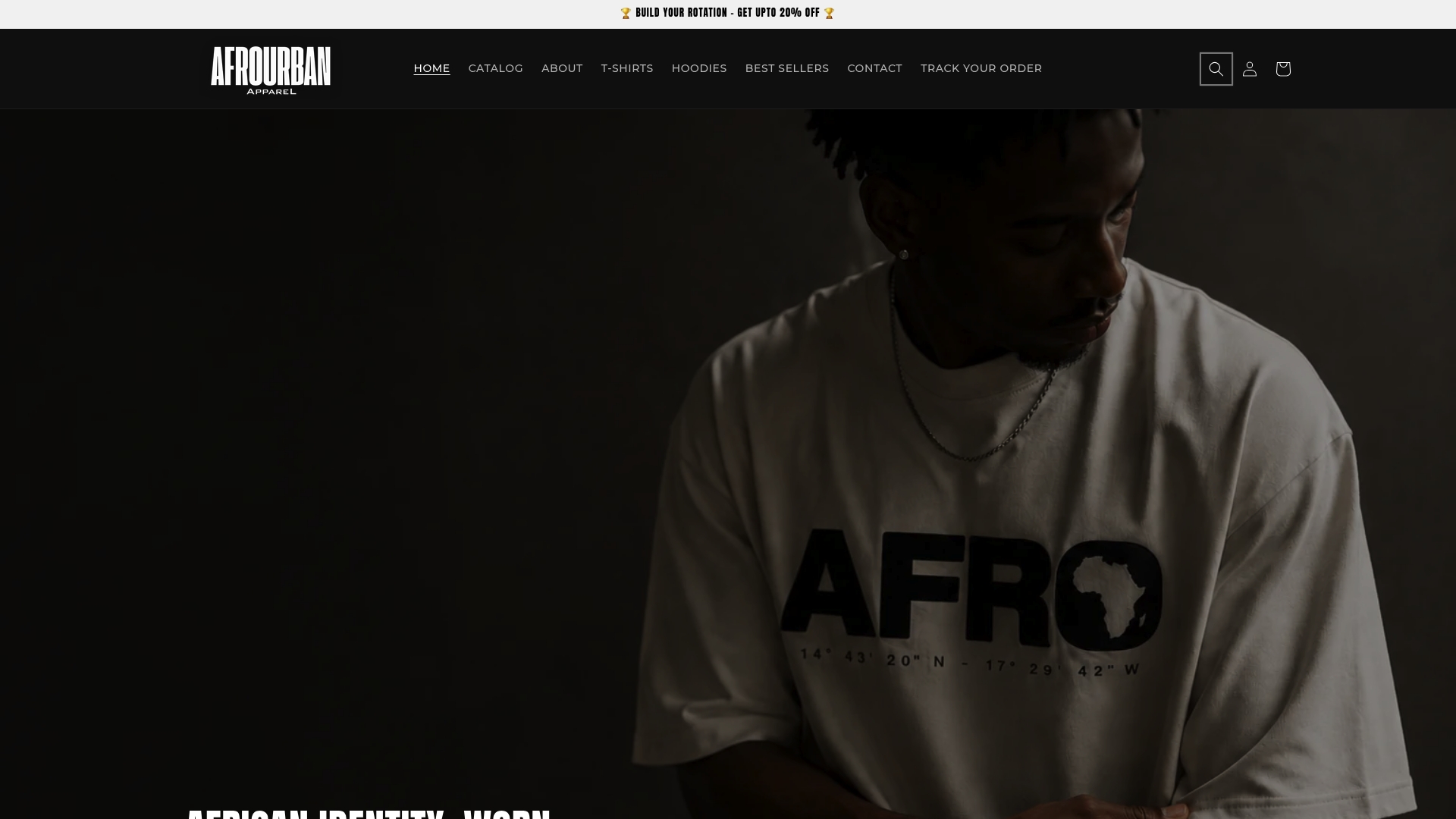
The Legacy Hoodies collection is where to start. You’ll find chenille-accented pieces like the Afro Butterfly Hoodie, which demonstrates large-scale chenille placement on a heavyweight base. Customers consistently highlight the quality and cultural resonance of the designs as standout features. Browse the collection, pick a piece that speaks to your heritage, and reach out to the brand directly if you want to discuss a custom mockup or patch sample.
Key Takeaways
Chenille embroidery is the right technique for bold, tactile, heritage-inspired streetwear when designs are large, simple, and placed on heavyweight garments.
| Point | Details |
|---|---|
| Design rule | Keep forms bold and large; letters need to be at least moderately tall for legibility. |
| Best garments | Heavyweight hoodies and varsity jackets support chenille’s weight and visual scale. |
| Durability benchmark | Manufacturer-reported ~50 home wash cycles with correct application and care. |
| Cultural design | Research motifs, consult community designers, and pair pieces with contextual storytelling. |
| Afrourbanapparel | The Legacy Hoodies collection applies chenille to large chest graphics on heavyweight fleece. |
Why chenille matters for diaspora streetwear right now
Chenille is the only embroidery technique that makes a garment feel like an artifact. You pick it up and you know something was made, not printed. For diaspora streetwear, that tactile quality carries weight beyond aesthetics. It signals that the cultural reference on the chest was worth the extra craft, the extra cost, the extra care.
What most brands miss is that chenille’s collectible quality isn’t just a finish upgrade. It’s a statement about permanence. A Sankofa symbol rendered in plush chenille on a 14 oz hoodie isn’t going anywhere. It’s going to be worn, kept, and eventually handed down. That’s the kind of relationship between clothing and identity that Afrourbanapparel is building toward, and it’s why the technique belongs at the center of any serious heritage streetwear project.
The cultural streetwear conversation has moved past novelty graphics. Texture, weight, and craft are now the signals that separate a meaningful piece from a fast-fashion print. Chenille is one of the clearest ways to make that distinction visible and felt.
Sources and further reading
- Chenille patch design: uses and design tips — covers pile height, design constraints, hybrid stitch approaches, and production lead times. Backs claims in the technical primer, design rules, and commissioning sections.
- STAHLS’ Chenille Patches — manufacturer data on 106 thread colors, 17 felt options, and ~50 wash-cycle durability. Backs the materials and care sections.
- Garrampa: What chenille is and why it works in custom apparel — explains loop-forming mechanics (moss stitch, chain stitch), cost drivers, and collectible positioning. Backs the technical primer and comparison sections.
- Sierra Tech: Chenille embroidery — brand positioning context for chenille as a value-added, collectible finish. Backs the perspective section.
- Taller de Personalización: Bordado Chenille — professional production workflow, design adaptation process, and FAQ on garment compatibility. Background reference for commissioning guidance.
- Afrourbanapparel Legacy Hoodies — brand’s own chenille product collection; primary E-E-A-T anchor for product claims.