

If you’re looking for sites like HabeshanThreads.com, three platforms stand out for diaspora shoppers in the US: ZenachHabesha.com for custom print-on-demand designs, TheHabeshaWeb.com as a business directory connecting you directly to Habesha designers, and HappyHabesha.com as a community-commerce hybrid launched recently to serve Ethiopians and Eritreans abroad.
- ZenachHabesha.com: Custom t-shirts and hoodies using your own images or community artist templates, with a 2-day processing target
- TheHabeshaWeb.com: A digital directory aggregating Habesha-owned businesses with full contact details for direct purchasing
- HappyHabesha.com: Combines a business directory, community groups, and a marketplace, built specifically for the global Habesha diaspora
How to spot authentic African heritage apparel on alternative platforms
Not every platform selling “Habesha style” delivers the real thing. Here’s how to tell the difference before you buy.
- Check for handmade embroidery. Authentic Habesha Kemis feature hand-stitched embroidery, not machine-printed patterns. Ask the seller directly or look for close-up product photos showing thread texture.
- Read the cultural narrative. Genuine artisan sellers describe the regional origin and technique behind each piece. A vague “African-inspired” label with no story is a red flag.
- Verify ethical sourcing. Platforms like TheHabeshaWeb.com and HappyHabesha.com emphasize direct artisan connections. Look for fair trade language or seller profiles that name the maker.
- Understand the price. International shipping, premium materials, and hand-craftsmanship push prices higher than local Ethiopian market rates. A suspiciously low price on a “handmade” piece usually means machine production.
- Check return policies before checkout. Established platforms publish clear return windows. Niche sellers on Instagram or Facebook often have no formal policy, so confirm in writing before paying.
Pro Tip: Search the seller’s name on Google alongside “review” or “scam” before buying from any social media shop. Diaspora community forums on Facebook and Reddit often surface honest feedback that a seller’s own page won’t show you.
Diaspora shoppers aren’t just buying clothes. They’re reinforcing cultural identity, which is why cultural fashion economics matter: platforms that tell the maker’s story command loyalty that generic retailers can’t replicate.
Print-on-demand vs. community marketplaces: which fits your needs?
These two platform types solve different problems, and the right pick depends on what you value most.
| Platform | Type | Customization | Authenticity | Community Engagement | Best For |
|---|---|---|---|---|---|
| ZenachHabesha.com | Print-on-demand | High | Moderate | Artist templates | Custom personal designs |
| TheHabeshaWeb.com | Directory/marketplace | Low | High | Direct seller contact | Artisan-sourced traditional wear |
| HappyHabesha.com | Community platform | Low | High | Social + commerce | Diaspora cultural connection |
ZenachHabesha.com gives you a design studio where you upload your own image or pick from artist-made clip art, then choose apparel style, color, and size before checkout. The tradeoff is that print-on-demand production, while fast, doesn’t carry the same handcraft story as a Kemis sewn by an Addis Ababa tailor.
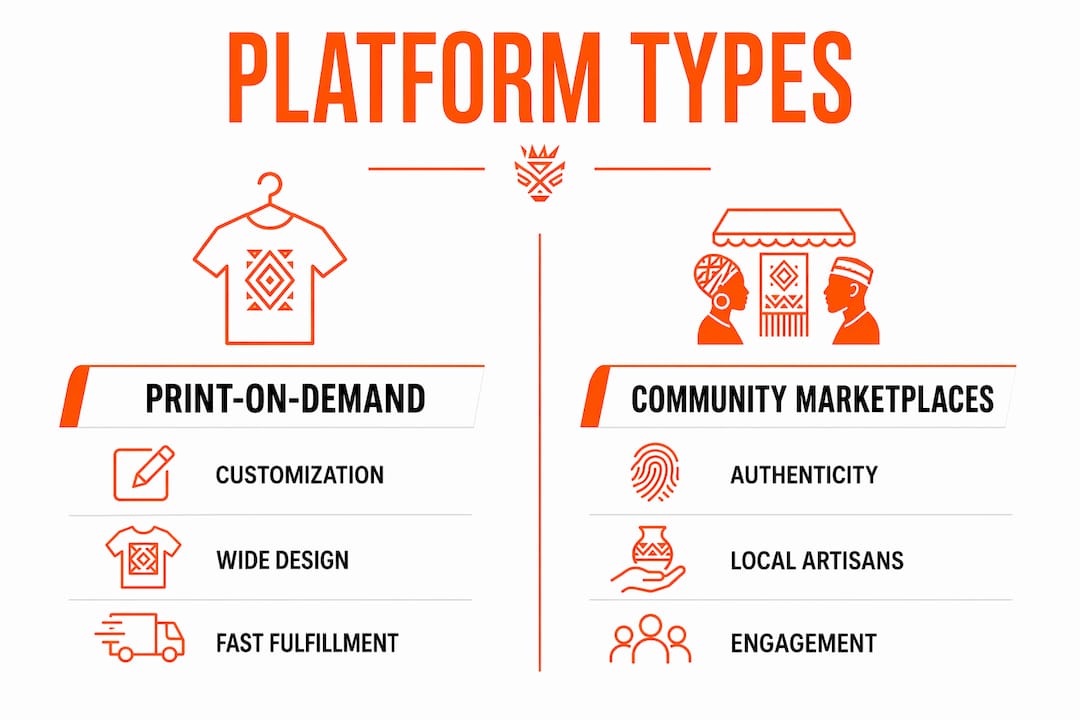
TheHabeshaWeb.com and HappyHabesha.com flip that equation. Both connect you to real Habesha-owned businesses, with HappyHabesha adding social features like community groups and a people-finder. Neither platform manufactures anything itself; they’re conduits to independent sellers, so buyer due diligence still applies. For tips on streetwear and cultural identity, the design choices behind culturally grounded apparel go deeper than most shoppers realize.
Regional specializations you’ll find across these alternatives
Habesha fashion isn’t monolithic. Ethiopian and Eritrean traditions each carry distinct textile signatures, and the better platforms reflect that.
Ethiopian pieces tend to center on the Kemis and Netela, with embroidery patterns varying by region: Gondar-style borders differ visibly from Tigray or Oromo motifs. Eritrean fashion shares the white-cotton base but often features different neckline embroidery and color combinations tied to specific highland communities. TheHabeshaWeb.com and HappyHabesha.com both list sellers who specialize by region, so filtering by seller profile is worth the extra time. ZenachHabesha.com, by contrast, lets you bring your own regional motif into a custom design rather than sourcing a pre-made regional piece.
Wider African heritage options, including West and East African print fabrics like Ankara and Kente, appear occasionally through HappyHabesha.com’s community marketplace. For shoppers whose identity spans multiple African traditions, building a wardrobe with African roots across these regional styles is increasingly practical through community-driven platforms.
Afrourbanapparel: everyday African identity in streetwear form
The platforms above are strong for traditional and artisan pieces. Afrourbanapparel takes a different angle: heavyweight streetwear that carries African cultural identity into daily casual wear, no special occasion required. Where ZenachHabesha.com lets you print a custom design and community marketplaces connect you to traditional sellers, Afrourbanapparel fuses heritage motifs with modern streetwear construction built for everyday use.
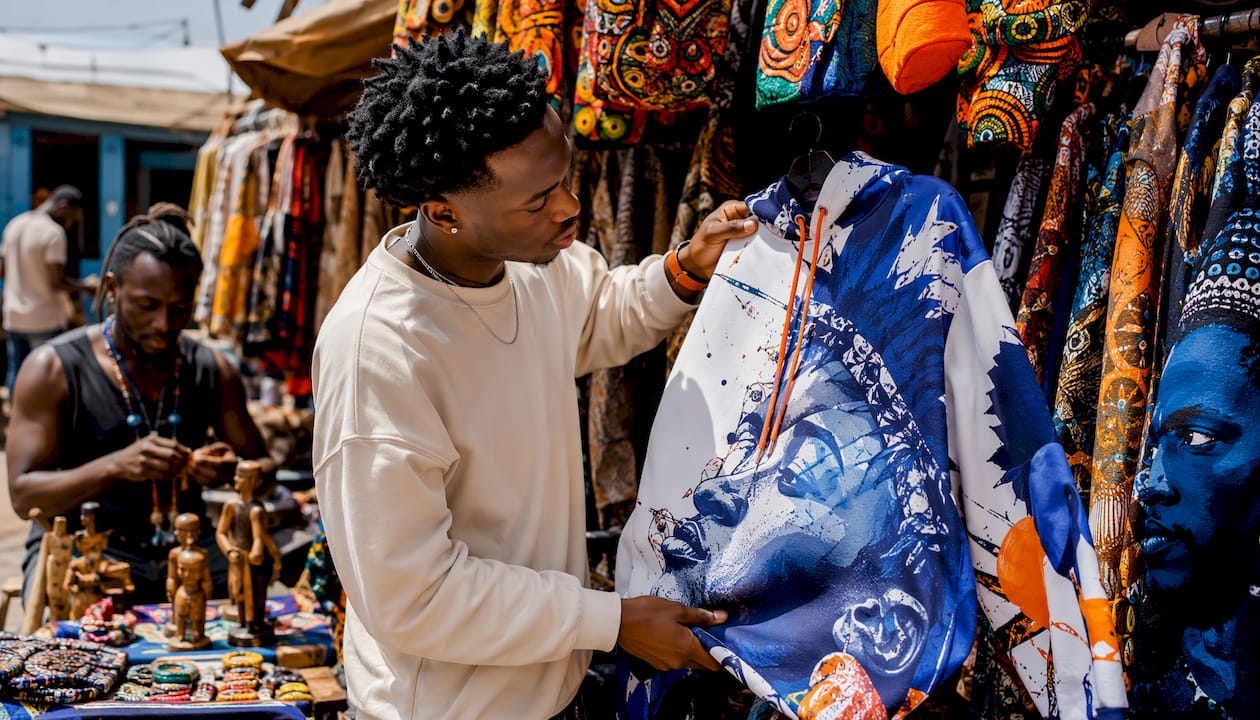
The Afro Renaissance Hoodie is a good example: culturally grounded design on a durable, heavyweight fabric that holds up to regular rotation. For diaspora shoppers who want their identity present in what they wear on a Tuesday, not just at cultural events, Afrourbanapparel’s collection at afrourbanapparel.com.co is worth a look.
Key Takeaways
The strongest alternatives to HabeshanThreads.com split into two clear types: custom print-on-demand platforms for personal designs and community marketplaces for authentic artisan-sourced Habesha fashion.
| Point | Details |
|---|---|
| Two platform types | Print-on-demand (ZenachHabesha.com) and community marketplaces (TheHabeshaWeb.com, HappyHabesha.com) serve different needs. |
| Authenticity markers | Handmade embroidery, regional origin details, and named maker profiles separate genuine artisan pieces from generic alternatives. |
| Price reflects craft | International shipping, premium materials, and hand-craftsmanship push diaspora apparel prices above local market rates. |
| Social media risk | Niche sellers on Instagram and Facebook often lack formal return policies; verify in writing before purchasing. |
| Afrourbanapparel | Offers heavyweight African heritage streetwear for everyday wear, distinct from traditional artisan or custom print-on-demand options. |