

African luxury streetwear is defined as Afro-Luxury, a design movement that fuses indigenous African textiles like Adire and Aso Oke with contemporary streetwear silhouettes to express cultural memory and urban identity. This is not a trend borrowed from Western runways. It is a living aesthetic built from bespoke tailoring, youth movements, and the global reach of Afrobeats culture. Understanding African luxury streetwear explained through this lens reveals why it stands apart from every other fashion category on earth. Afrourbanapparel exists precisely at this intersection, creating everyday wear that carries the full weight of African heritage.
What defines the Afro-Luxury aesthetic in African streetwear?
Afro-Luxury is the recognized industry term for what many call African luxury streetwear. It describes garments that carry cultural memory through textile choice, cut, and embellishment rather than surface decoration alone. The aesthetic draws from a deep catalog of indigenous materials and tailoring traditions that predate Western fashion by centuries.
Key indigenous textiles shaping Afro-Luxury
The textiles are the foundation, not the finishing touch. Each fabric carries a specific cultural origin and communicates identity before a single word is spoken.
- Adire: A Yoruba resist-dyed indigo cloth from Nigeria, used in oversized silhouettes and layered streetwear looks
- Aso Oke: A hand-loomed Yoruba fabric traditionally reserved for ceremonies, now cut into jackets, hoodies, and wide-leg trousers
- Balanta embroidery: Intricate needlework from Guinea-Bissau, applied directly to denim and imported garments to subvert Western forms
- Pano embroidery: A Cape Verdean textile tradition that diaspora designers integrate into contemporary cuts
These textiles do not function as prints applied to a blank canvas. They are structural choices that change how a garment moves, drapes, and ages. That distinction separates Afro-Luxury from fast fashion that borrows African motifs without cultural grounding.
Tailoring as cultural authorship
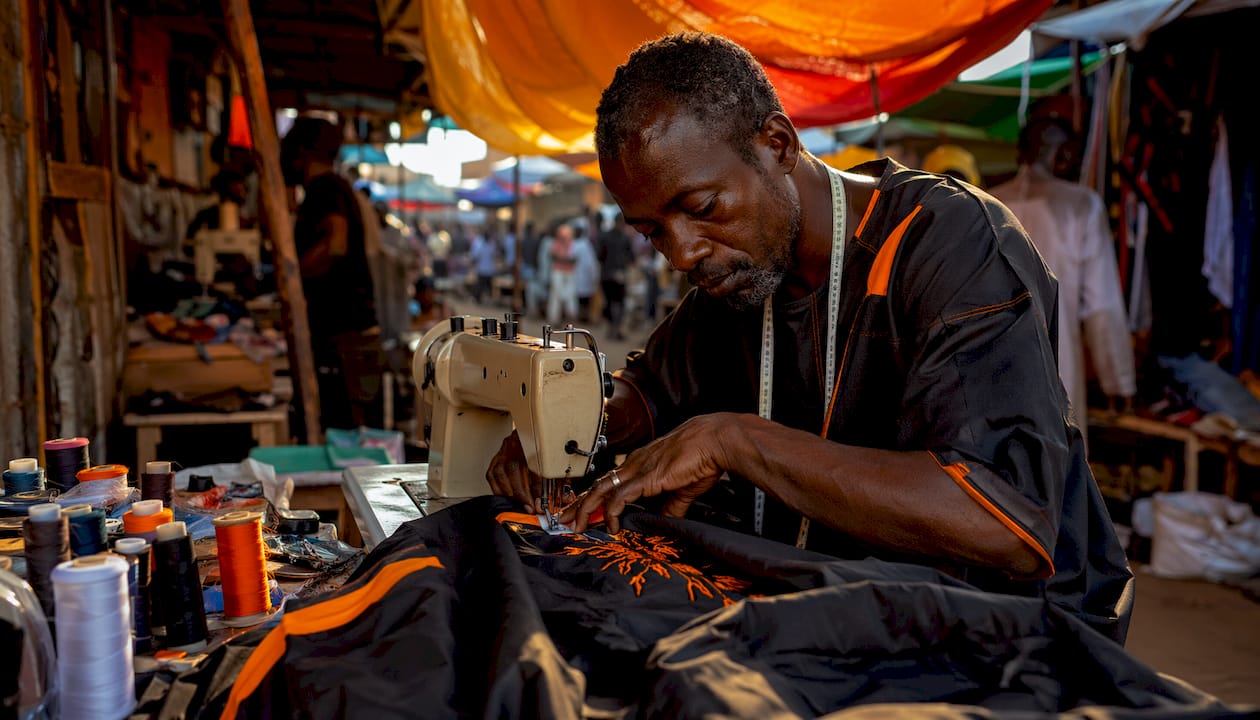
Afro-Luxury tailoring blends traditional construction techniques with streetwear proportions. A tailor in Lagos or Accra does not simply copy a silhouette. They rebuild it, adjusting seams, adding hand-stitched panels, and incorporating ceremonial cloth into everyday cuts. The result is a garment that references the past and speaks to the present simultaneously. This approach to African textile traditions is what gives Afro-Luxury its authority in global fashion conversations.
Afro-Luxury also resists the homogenized aesthetic that dominates global streetwear. Where mainstream brands chase universal appeal, Afro-Luxury designers make garments that are deliberately, specifically African. That specificity is the point.
How do youth and urban cultures drive African luxury streetwear?
Urban youth aged 16–25 are the primary force behind streetwear adoption across African cities. Urban population growth in Guinea-Bissau reached 45.5% in 2026, and that demographic shift directly fuels youth-driven fashion identity. Young people in dense urban environments need clothing that communicates who they are, where they come from, and what they reject.
The Altè movement and its campus roots
The Altè movement, born on Nigerian university campuses, is the clearest example of African college streetwear culture explained in practice. Altè rejects institutional uniformity through thrifted clothing, gender-fluid silhouettes, and upcycled garments. Practitioners source pieces from “bend-down select” markets, which are open-air thrift markets where imported secondhand clothing is sold by weight, then rebuild those pieces into something entirely new. Altè fashion uses thrifted garments as raw creative material, not as a budget compromise.
The movement’s influence extends well beyond campus gates. Altè aesthetics now appear in music videos, social media feeds, and diaspora fashion spaces across the United States and the United Kingdom.
Here is how African streetwear circulates through urban communities before it ever reaches a formal retail channel:
- A garment enters the city through a secondhand market or imported clothing bale
- A tailor modifies it with local embroidery, altered seams, or added panels
- The wearer styles it publicly at university events, concerts, or street corners
- Peers photograph and share the look across social media platforms
- The style gains recognition and begins to influence what tailors produce next
This cycle moves faster than any trend report. It also produces fashion that is genuinely original because each step adds a layer of local authorship.
Pro Tip: If you want to understand what African streetwear means in a specific city, spend time in its tailoring markets, not its shopping malls. The real creative work happens there.
Hip hop, Afrobeats, and skate culture all feed into this cycle. Each scene brings its own visual language, and African youth absorb, filter, and reinterpret those references through a local lens rather than copying them wholesale.
What role does music culture play in African luxury streetwear?
Afrobeats is the single most powerful engine driving African luxury streetwear’s global visibility. The role of music culture in African streetwear is not decorative. It is structural. Artists carry the aesthetic into international spaces that fashion alone cannot reach.
Afrobeats stars like Burna Boy and Wizkid fuse music and fashion into a unified cultural statement. They wear custom tailoring built from indigenous textiles, partner with global luxury brands, and make African aesthetics a recognized cultural export. Tems brings a similar authority to womenswear, appearing in sculptural Afro-Luxury pieces that generate immediate global attention. Each public appearance functions as a fashion editorial with a global audience.
Music events create the social spaces where streetwear aesthetics form and spread. A concert in Lagos or a listening party in Atlanta becomes a runway where new combinations are tested, photographed, and circulated within hours. Social media compresses the timeline between a look appearing and it influencing what people want to wear.
“Afrobeats has done for African fashion what hip-hop did for American streetwear in the 1990s. It gave the aesthetic a global stage and a cultural argument that no trend report could manufacture.”
The color blocking and bold silhouettes associated with Afrobeats fashion are now recognizable signals of African cultural identity in cities far from the continent. That recognition is the direct result of music culture doing what fashion marketing budgets cannot.
How does African luxury streetwear differ from global streetwear trends?
African luxury streetwear subverts Western fashion rather than imitating it. Traditional embroidery integrated into denim through tailoring is the clearest example. Bissau youth did not apply African prints to American jeans. They restructured the garments, adding Balanta embroidery through the fabric itself, changing the object’s meaning entirely. That is cultural authorship, not cultural borrowing.
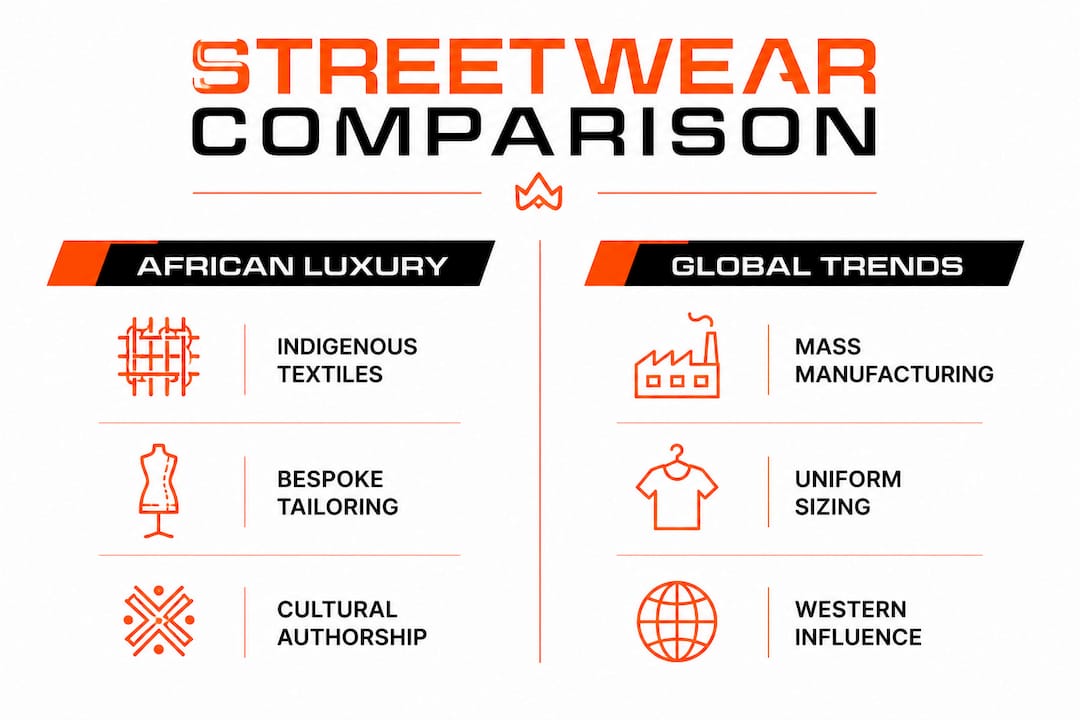
The production model is also fundamentally different. Global streetwear relies on mass manufacturing, consistent sizing, and formal retail distribution. African luxury streetwear relies on localized social circulation through thrift markets, tailors, and university events. A garment’s value grows through use and modification, not through scarcity marketing.
Pro Tip: When evaluating an African luxury streetwear piece, ask who made it and what textile it uses. Those two answers tell you more about its value than any brand label.
| Dimension | African luxury streetwear | Global mainstream streetwear |
|---|---|---|
| Design origin | Indigenous textiles, bespoke tailoring | Trend-driven, mass-market silhouettes |
| Production model | Artisan craftsmanship, small-batch | Factory manufacturing, large-scale runs |
| Cultural function | Identity expression, heritage communication | Style signaling, brand affiliation |
| Circulation method | Thrift markets, tailors, social events | Formal retail, e-commerce platforms |
| Sustainability | Built-in reuse and modification culture | Largely linear, trend-and-discard cycle |
Many African streetwear brands balance bespoke craftsmanship with real scalability challenges. Producing artistic, complex pieces requires skilled labor and time that mass manufacturing cannot replicate. That constraint is also a quality guarantee.
What are key examples shaping African college and streetwear culture?
African college streetwear culture is most visible in three geographic centers, each with its own distinct character.
- Nigerian campuses (Altè movement): Students at universities in Lagos and Abuja use thrifted and upcycled garments to build identities that reject both Western trends and traditional dress codes. The movement prizes individuality over brand recognition.
- Guinea-Bissau (Bissau youth correction): Young people in Bissau did not copy American hip-hop streetwear. They corrected it, integrating Balanta embroidery and local tailoring into imported garments to produce something that could only have come from that specific place and culture.
- Accra’s streetwear ecosystem: Clothing in Accra moves through markets, tailoring shops, and public styling before it becomes a recognized trend. The city’s streetwear culture is built on continuous garment circulation, not seasonal collections.
- Diaspora identity spaces: Sociologist Paul Khalil Saucier notes that diaspora youth use streetwear to construct identity, balancing traditional embroidery with global sneaker culture to challenge binary views of African fashion.
These movements share a common logic. Fashion is a tool for saying something specific about who you are and where you come from. The garment is the argument. Afrourbanapparel’s approach to building a streetwear wardrobe with African roots reflects exactly this logic, treating heritage as a daily practice rather than a special occasion.
Key Takeaways
African luxury streetwear is defined by cultural authorship through indigenous textiles, bespoke tailoring, and youth-driven social circulation, not by brand labels or trend cycles.
| Point | Details |
|---|---|
| Afro-Luxury is the core term | It describes the fusion of indigenous textiles like Adire and Aso Oke with streetwear silhouettes. |
| Youth movements drive the aesthetic | Altè and similar campus movements use thrift and upcycling as creative tools, not budget workarounds. |
| Music culture amplifies global reach | Afrobeats artists like Burna Boy and Wizkid carry African aesthetics into international fashion spaces. |
| Circulation precedes retail | African streetwear spreads through markets, tailors, and social events before formal trend recognition. |
| Cultural authorship separates it | Subverting Western forms through embroidery and tailoring is the defining difference from global streetwear. |
Why African streetwear is the most honest fashion on earth
I have spent years watching Western fashion cycles claim to “discover” African aesthetics every few seasons, as if the source material had been waiting for outside validation. That framing gets it exactly backward. The Altè kids on Nigerian campuses, the tailors in Accra’s markets, the Bissau youth rebuilding American denim with Balanta embroidery. They were never waiting for anyone’s approval. They were already doing the most sophisticated thing in fashion: making clothing that means something specific.
What strikes me most is the sustainability argument hiding in plain sight. African streetwear’s reuse and modification culture is not a response to environmental trends. It predates them by decades. A garment that passes through three tailors and two markets before it becomes iconic is not a slow fashion experiment. It is just how the culture works.
The scalability challenge is real. Bespoke craftsmanship and mass production do not coexist easily. But I think that tension is also a feature. The pieces that require the most skill to produce are the ones that carry the most cultural weight. Losing that in pursuit of scale would cost the aesthetic everything that makes it worth scaling.
My honest read: African luxury streetwear is not becoming a global force. It already is one. The question is whether the infrastructure catches up before the culture gets diluted by the attention.
— Kebz
Authentic African streetwear, built for everyday wear
Afrourbanapparel brings the Afro-Luxury aesthetic into pieces you can wear every day, not just on special occasions. The collection fuses indigenous design references with heavyweight fabrics built for real use, so your heritage travels with you without requiring a reason.
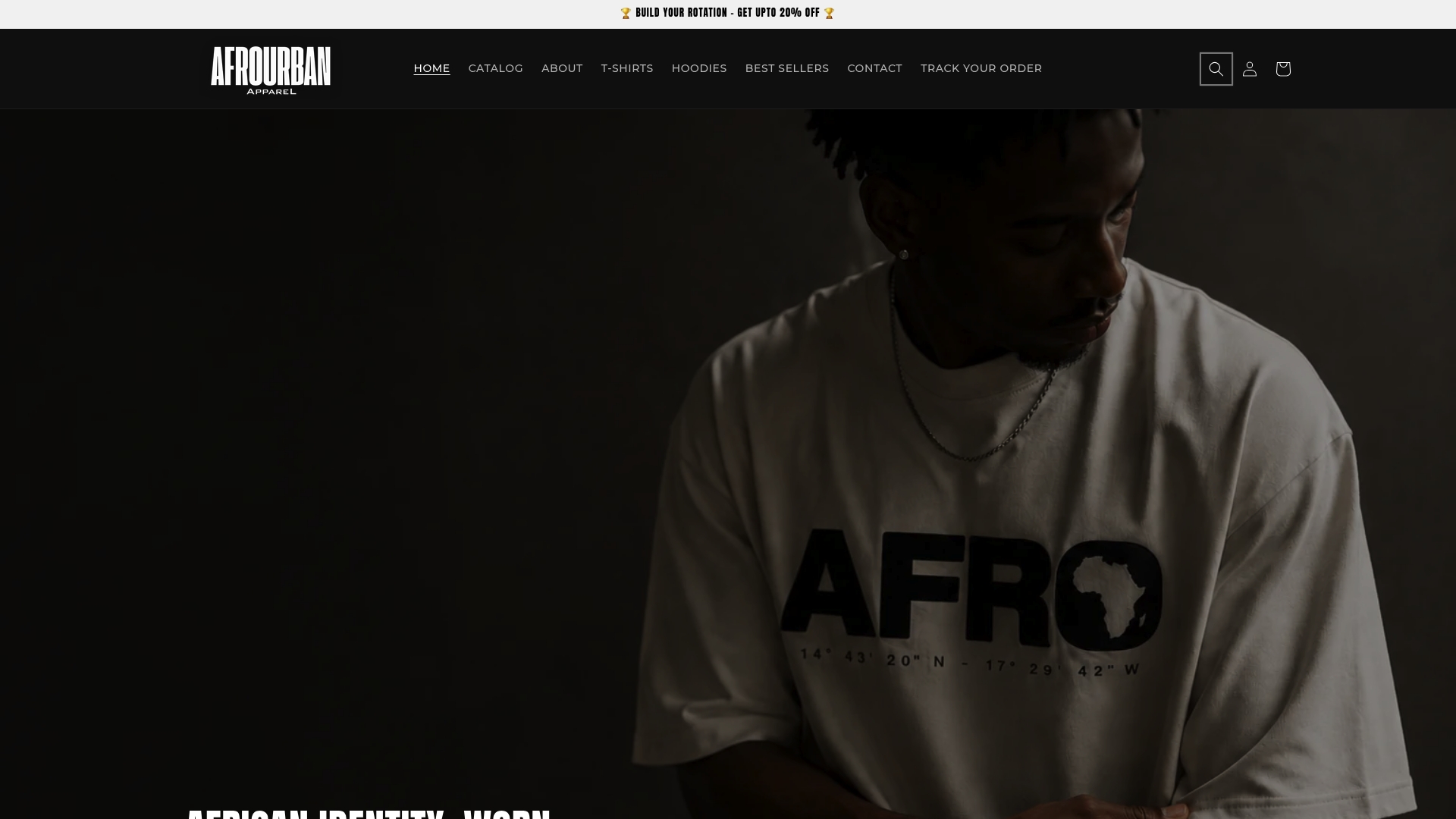
Each piece in the Afrourbanapparel collection reflects the same cultural logic this article describes: textiles chosen for meaning, silhouettes shaped by tradition, and quality that holds up the way bespoke craftsmanship always does. The Afro Renaissance Hoodie is a strong starting point, combining cloud-soft comfort with design language rooted in African identity. If you are ready to wear your culture rather than just appreciate it, the collection is the place to start.
FAQ
What does African luxury streetwear mean?
African luxury streetwear, formally called Afro-Luxury, is a fashion aesthetic that combines indigenous African textiles like Adire and Aso Oke with contemporary streetwear silhouettes to express cultural identity and heritage through everyday clothing.
What is the Altè movement in African streetwear?
Altè is a youth fashion movement born on Nigerian university campuses that uses thrifted and upcycled garments to build individual identities that reject both Western trends and traditional dress codes. It treats secondhand clothing as raw creative material rather than a budget option.
How does Afrobeats influence African luxury streetwear?
Afrobeats artists like Burna Boy, Wizkid, and Tems wear custom Afro-Luxury tailoring in public appearances and music videos, giving African aesthetics a global stage and accelerating the spread of the style through social media.
How is African streetwear different from Western streetwear?
African streetwear subverts Western forms through indigenous embroidery and bespoke tailoring rather than imitating them. It also circulates through thrift markets and tailoring shops rather than formal retail channels, giving it a social depth that mainstream streetwear lacks.
Is African luxury streetwear sustainable?
African luxury streetwear has a built-in reuse and modification culture that predates the modern sustainability movement. Garments regularly pass through multiple tailors and markets, gaining value through use rather than being discarded after a single season.