

Premium cultural streetwear is defined as clothing that communicates identity, heritage, and community belonging through deliberate fit, material quality, and cultural symbolism. The role of fit in premium cultural streetwear goes far beyond sizing. It is a design language that tells the world who you are, where you come from, and what you stand for. Brands like Afrourbanapparel have built their entire identity around this principle, fusing African cultural elements with heavyweight fabrics and purposeful silhouettes. When fit is treated as a cultural statement rather than a measurement, the garment becomes something worth wearing every day, not just on special occasions.
How does fit influence identity and heritage expression in cultural streetwear?
Fit is the first thing people read on a body before they read a logo. The silhouette of a garment signals cultural affiliation, social confidence, and personal values without a single word. Expert insight from stylist Babajide Ogbenna frames this precisely: fit conveys “certainty and restraint,” a visible expression of discipline and cultural identity that connects the wearer to their community. That framing shifts fit from a technical spec into a cultural act.
Specific design choices carry specific cultural weight. Dropped shoulders reference West African tailoring traditions where garments drape the body rather than constrain it. Relaxed, oversized fits echo the communal, unhurried aesthetic of African street culture. Structured overlays, like a boxy jacket worn over a fitted base, create visual hierarchy that mirrors layered cultural identity. These are not random trends. They are deliberate choices that communicate belonging.
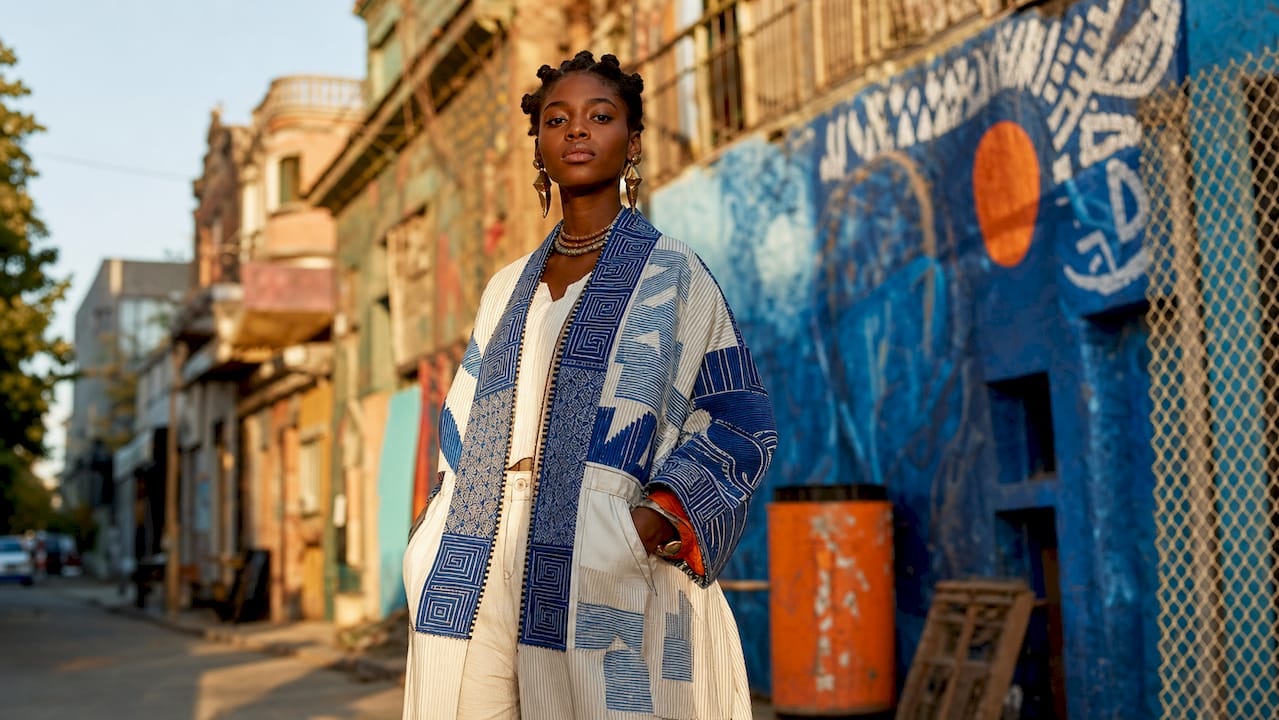
The psychological impact of fit on personal expression is real and measurable in social terms. When you wear a garment that fits the way your culture intended, you carry yourself differently. You occupy space with more confidence. That confidence is what premium cultural streetwear is designed to produce.
Key fit elements that carry cultural meaning include:
- Silhouette: Oversized or relaxed cuts reference communal, non-restrictive cultural values
- Drape: How fabric falls on the body signals intentionality and craftsmanship
- Shoulder placement: Dropped or extended shoulders echo traditional African tailoring
- Hem length: Extended hems create visual weight and gravitas rooted in heritage garment traditions
- Layering structure: Structured overlays communicate identity complexity and cultural depth
Pro Tip: When styling premium cultural streetwear, resist the urge to “fix” the fit to Western tailoring norms. The intentional drop, drape, or oversized cut is the cultural statement. Altering it removes the meaning.
What are the key types of premium cultural streetwear brands and their strategies?
Premium cultural streetwear brands do not all operate the same way. Understanding their strategies helps you recognize what you are buying and why it costs what it does.
-
Heritage-first brands build their entire identity around a specific cultural origin. Every design decision, from fabric weight to graphic motif, traces back to a defined cultural source. Afrourbanapparel operates in this category, using African textile traditions and diaspora identity as the foundation for every piece. These brands treat cultural fashion as everyday identity, not costume.
-
Scarcity-driven cult brands use limited production runs and deliberate inaccessibility to build desire. The strategy works because scarcity signals cultural credibility. Scarcity-driven marketing and hyper-local cultural energy exported globally create strong brand loyalty and a distinct identity that mass-market brands cannot replicate.
-
Diffusion line brands offer premium cultural aesthetics at accessible price points. Fear of God Essentials is the clearest example of this model, with diffusion line pricing ranging from $40 to $260 while premium pieces exceed $200 to $400. The strategy balances accessibility with brand DNA, letting a wider audience participate in the cultural narrative without diluting the premium tier.
-
Expressive graphic brands lead with bold visual storytelling. These brands use large-scale prints, culturally specific iconography, and color-heavy designs to make the cultural message impossible to miss. The garment is a billboard for identity.
-
Minimal branding brands let fabric quality, fit, and construction carry the cultural weight. No loud logos. The sophistication is in the material and the cut. Customers who know, know.
The most successful brands in this space share one trait: authentic creative vision built over time rather than market research-driven product development. Founders who build from personal cultural conviction create brands that consumers trust at a deeper level than trend-chasing labels ever achieve.
Which premium finishing details elevate the quality and cultural significance of streetwear garments?
Finishing details are where premium cultural streetwear separates itself from fast fashion. The right finish does two things at once: it improves how the garment feels and wears, and it deepens the cultural message embedded in the design.
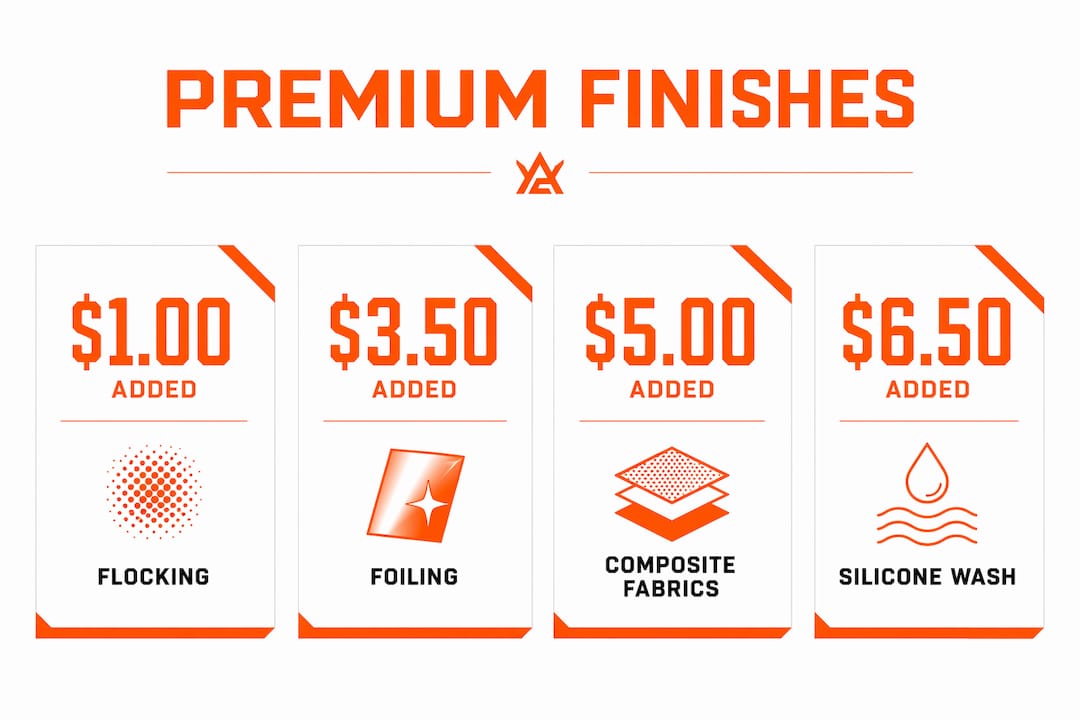
Specialized finishing techniques add meaningful production costs, with added costs ranging from $1.00 to $6.50 per garment depending on complexity. That cost range reflects a real difference in outcome. A $1.00 finish and a $6.50 finish produce garments that feel and look entirely different.
| Finish type | Cultural/aesthetic impact | Added cost per garment | Best application |
|---|---|---|---|
| Flocking | Tactile, velvet-like texture; adds luxury depth to graphics | $2.80–$4.50 | Heritage motifs, logo treatments |
| Foiling | High-visibility metallic sheen; bold cultural statements | $1.20–$3.00 | Graphic accents, ceremonial-inspired designs |
| Composite fabrics | Durability with layered visual complexity | $3.50–$6.50 | Outerwear, structured pieces |
| Enzyme wash | Softness and worn-in feel; preserves cultural print integrity | Included in wash cost | Everyday tees, hoodies |
| Silicone wash | Premium hand-feel; maintains garment structure post-wash | Included in wash cost | Heavyweight cotton, structured fits |
Industrial washing techniques like enzyme and silicone washes improve softness, durability, and visual identity without compromising fit stability. This matters because a garment that loses its shape after three washes loses its cultural statement along with it.
Chrome Hearts demonstrates the ceiling of this approach. Sterling silver hardware, hand-finishing, and intentional scarcity drive consumer value and lifetime loyalty. The finishing is the product. That principle scales down to any premium cultural brand willing to invest in the details.
Pro Tip: Always ask a brand about their wash stabilization process before buying a premium piece. Enzyme and silicone washes are the standard for preserving both fit and finish. A brand that cannot answer this question is likely cutting corners on quality.
What are the premium streetwear trends shaping cultural fashion in 2026?
The premium cultural streetwear market in 2026 is defined by a clear consumer demand: authenticity over aesthetics. Buyers want to know the story behind the garment, not just how it looks on a grid.
Key trends shaping the category right now include:
- Hyper-local cultural export: Brands rooted in specific communities are gaining global audiences by staying deeply local rather than chasing universal appeal. The specificity is the draw.
- Scarcity as brand language: Limited drops and waitlists are not just marketing tactics. They signal cultural seriousness and filter out casual consumers from committed community members.
- Inclusive sizing with cultural integrity: Demand for extended sizing that preserves the original cultural fit intent is growing. Brands that resize without redesigning lose the cultural meaning in the process.
- Heritage material storytelling: Consumers want to know where fabrics come from and what traditions they reference. Heavyweight cotton, kente-inspired weaves, and traditional dyeing methods are becoming selling points, not just design choices.
- Everyday cultural wear: The idea that cultural identity belongs only in ceremonial or special-occasion clothing is fading. Brands like Afrourbanapparel have built their entire model on the principle that identity should be worn daily, not saved for specific moments.
The market is also responding to social media’s role in amplifying cultural narratives. A single drop with a strong cultural story can reach a global diaspora audience within hours. That speed rewards brands with genuine cultural depth and punishes brands that perform culture without living it.
How does cultural influence shape innovation and consumer connection in premium streetwear?
Cultural influence is the engine of design innovation in premium streetwear. When a brand draws from a living cultural tradition, the design possibilities are genuinely unlimited because the source material keeps evolving.
Consumer connection in this category runs deeper than brand loyalty. Buyers of premium cultural streetwear are not just purchasing a garment. They are participating in a cultural narrative. That participation creates a relationship that price discounts and trend cycles cannot break. Afrourbanapparel captures this by building streetwear with African roots that diaspora individuals can wear as a daily affirmation of identity.
The mechanisms through which cultural influence drives innovation include:
- Symbolic design language: Patterns, colors, and motifs drawn from specific cultural traditions carry meaning that generic streetwear cannot replicate
- Community co-creation: Brands that stay connected to their cultural community receive constant design feedback through lived experience
- Narrative-driven collections: Each drop tells a story rooted in cultural history, giving consumers a reason to engage beyond the product itself
- Material heritage: Sourcing fabrics and techniques from cultural traditions creates garments with provenance, not just aesthetics
The brands that sustain long-term consumer loyalty in this space treat cultural fashion as a design foundation, not a marketing angle. The difference is visible in every seam, every wash, and every silhouette choice.
Key Takeaways
Fit in premium cultural streetwear is a deliberate design act that communicates identity, heritage, and community belonging through silhouette, finishing, and material quality.
| Point | Details |
|---|---|
| Fit as cultural language | Silhouette, drape, and shoulder placement communicate heritage more directly than logos or graphics. |
| Brand strategy matters | Heritage-first, scarcity-driven, and diffusion line brands each serve different cultural and market needs. |
| Finishing defines premium | Flocking, foiling, and industrial washes separate premium cultural garments from fast fashion alternatives. |
| Authenticity drives loyalty | Brands built from genuine cultural conviction retain consumers far longer than trend-driven labels. |
| Everyday identity is the standard | Premium cultural streetwear works best when worn daily, not reserved for special occasions. |
Why fit is the most underrated decision in cultural streetwear
Most conversations about streetwear focus on graphics, colorways, and drops. Fit gets treated as a sizing chart problem. That framing misses everything that matters.
I have spent years watching brands get the cultural story right and the fit completely wrong. The graphic is perfect. The fabric is heavy and well-sourced. But the shoulder sits two inches too high, the hem breaks at the wrong point, and the entire cultural reference collapses. The garment stops communicating what it was designed to say.
The brands that get this right treat fit as the first design decision, not the last. They ask what cultural tradition they are drawing from, how people in that tradition actually wore clothing, and what silhouette carries that meaning into a modern context. That process takes longer. It costs more. And it produces garments that people wear for years because the fit feels right in a way they cannot always articulate but absolutely feel.
The other pitfall I see constantly is ignoring wash stabilization in production. A brand can nail the fit in the sample stage and lose it entirely after the first industrial wash if they have not accounted for how the fabric responds to enzyme or silicone treatments. That is not a small detail. It is the difference between a garment that holds its cultural statement through years of wear and one that becomes shapeless after a season.
Consumer expectations in 2026 are higher than they have ever been. Fashion-conscious buyers who care about cultural identity are also educated about construction, finishing, and material sourcing. They notice when a brand cuts corners. The brands worth following are the ones that treat every production decision as a cultural decision.
— Kebz
Afrourbanapparel: where African heritage meets premium fit
Afrourbanapparel was built on the conviction that African identity belongs in everyday wear, not just on special occasions. Every piece in the collection reflects that commitment through heavyweight fabrics, culturally inspired silhouettes, and finishing details that hold up through real wear.
The brand’s approach to fit draws directly from African design traditions, using drape, shoulder placement, and hem length as cultural signals rather than afterthoughts. Diaspora individuals who want clothing that represents their heritage without sacrificing quality or comfort will find exactly that in the premium African streetwear collection at Afrourbanapparel. Each piece is designed to be worn daily, because identity does not take days off.
FAQ
What is the role of fit in premium cultural streetwear?
Fit in premium cultural streetwear communicates identity and heritage through deliberate silhouette, drape, and construction choices. It functions as a cultural signal, not just a sizing specification.
What are the main types of premium cultural streetwear brands?
The main types include heritage-first brands, scarcity-driven cult brands, diffusion line brands, expressive graphic brands, and minimal branding brands. Each uses a different strategy to balance cultural authenticity with market positioning.
Which finishing details define premium streetwear quality?
Flocking, foiling, composite fabrics, enzyme washes, and silicone washes are the key finishing techniques that separate premium cultural streetwear from fast fashion. Added costs range from $1.00 to $6.50 per garment depending on the technique used.
How does cultural influence drive streetwear innovation?
Cultural influence provides a living source of design language, including patterns, materials, and silhouettes, that generic streetwear cannot replicate. Brands rooted in specific cultural traditions produce garments with provenance and meaning that sustain long-term consumer loyalty.
How do I style premium cultural streetwear correctly?
Preserve the intended fit rather than adjusting it to Western tailoring standards. The dropped shoulder, extended hem, or relaxed silhouette is the cultural statement. Pair with minimal accessories to let the garment’s design language speak clearly.