

The strongest examples of cultural identity clothing in 2026 are not museum pieces. They are bomber jackets lined with Kente cloth, overshirts cut from Adire fabric, and heavyweight tees carrying Bogolanfini prints worn on the street every day. For young members of the African diaspora, these garments do something a plain hoodie never could: they carry memory, signal belonging, and refuse to let heritage disappear into assimilation.
Table of Contents
- Key examples of cultural identity clothing as modern streetwear
- What the design elements actually mean
- Designers shaping African diaspora streetwear
- How cultural clothing builds community and confidence
- Cultural appropriation versus cultural appreciation
- How region shapes diaspora style
- Where to source authentic cultural identity clothing
- Afrourbanapparel brings this to your wardrobe every day
- Key Takeaways
Key examples of cultural identity clothing as modern streetwear
The African diaspora wardrobe does not split between two cultures. It holds both at once, building what designers and cultural theorists call a “third space” where heritage and contemporary style coexist without either one dominating.
Core pieces that define this space:
- Bomber jackets with Bogolanfini prints — the structured silhouette reads streetwear; the hand-dyed Malian cotton reads ancestry
- Kente-lined blazers — heritage textile as a lining keeps the exterior clean and corporate while the interior stays rooted
- Adire overshirts — indigo-dyed Yoruba fabric cut into a relaxed button-up worn over a plain white tee
- Agbada-inspired embroidered overshirts — the volume and embroidery of the agbada translated into a wearable layering piece
- Aso Oke accent jackets — handwoven Yoruba cloth used as panels or full shell fabric on a contemporary cut
- Beadwork accessories — Xhosa-style beaded collars or cuffs worn over minimalist fits
- Graphic tees with Adinkra symbols — West African symbols printed on heavyweight cotton, worn as a daily statement
Style experts advise a capsule wardrobe approach that pairs classic neutral pieces with one cultural accent, letting the heritage item lead without overwhelming the look. Afrourbanapparel builds exactly this philosophy into its collection, with customers consistently noting the quality and cultural authenticity of pieces designed for everyday wear, not just special occasions.
What the design elements actually mean
Embroidery, beadwork, and textile patterns are not decoration. Each carries specific cultural weight. The Agbada’s intricate embroidery signals social status and identity within Yoruba tradition, and that same embroidery on a modern overshirt carries that signal forward into a new context.
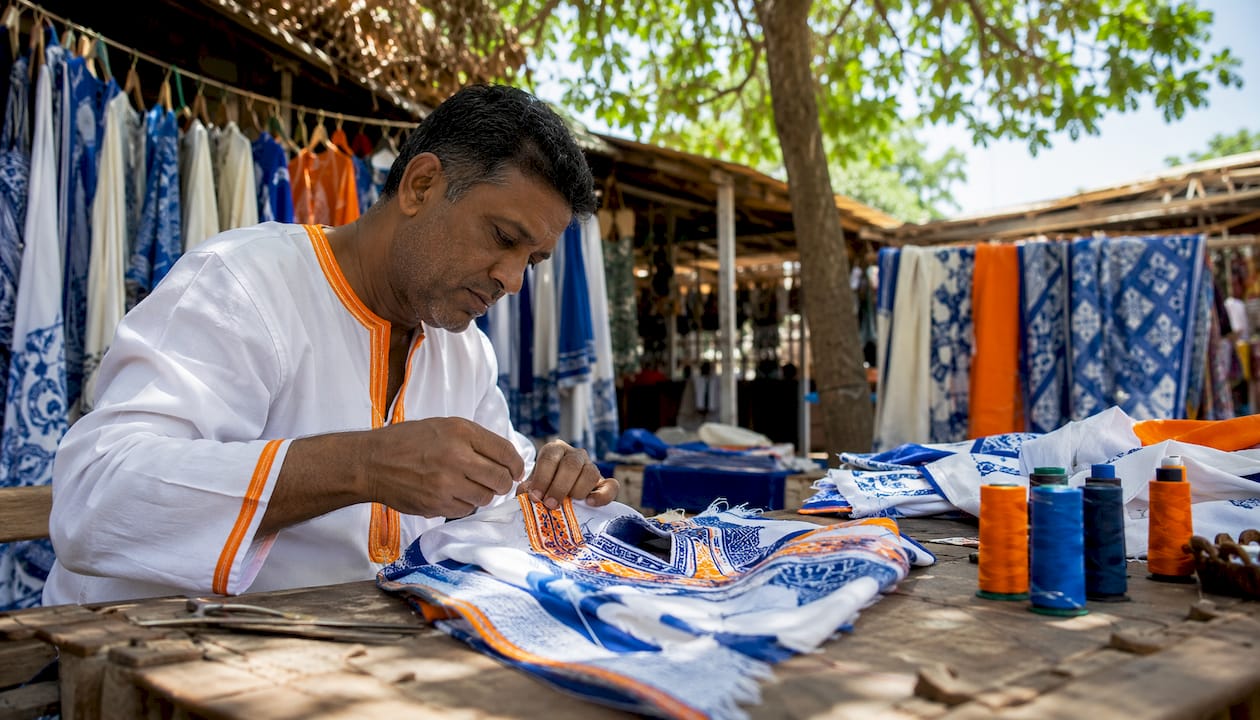
Aso Oke, Kente, Adire, and Bogolanfini each encode history through color, pattern, and production method. Kenneth Ize and Thebe Magugu have built entire design languages around this principle, combining European tailoring with handwoven African textiles to create garments that are neither traditional nor purely Western. The most effective approach uses heritage fabric as a subtle, high-impact detail: a lining, a panel, a pocket square. That restraint lets the craftsmanship speak without turning an outfit into a costume.
Designers shaping African diaspora streetwear
Kenneth Ize, born in Lagos and raised in Austria, produces Aso Oke handwoven by artisans in Nigeria and Ilorin, then tailors it into contemporary European silhouettes. Thebe Magugu draws on South African family memory and political history, treating heritage as a living resource rather than a fixed reference. Bianca Saunders examines Black masculinity through British-Jamaican identity, producing menswear that carries Caribbean inheritance through a British design education. Together, these three define what place-based fashion looks like when it is executed with precision rather than nostalgia.
How cultural clothing builds community and confidence
Clothing carries memory, migration, and family history. Wearing culturally grounded garments in everyday settings acts as a conversation starter that signals authenticity and fosters connection across diverse environments. For diaspora youth specifically, putting on a piece that references home is an act of visibility. It tells the room something about who you are before you say a word. That visibility builds confidence, and confidence builds community.
Cultural appropriation versus cultural appreciation
The line is intent combined with knowledge. Wearing a garment from a tradition you belong to, or have been invited into and educated about, is appreciation. Wearing sacred symbols or ceremonial dress as trend pieces, without that context, is appropriation. The culturally conscious wardrobe is rooted in understanding, not aesthetics alone. For diaspora wearers, the question is rarely about permission. It is about depth: do you know what you are wearing, and does the piece reflect genuine connection or surface-level borrowing?
How region shapes diaspora style
A Nigerian-British wardrobe leans heavily on Aso Oke and agbada silhouettes. A Ghanaian-American one reaches for Kente and Ankara prints. Caribbean diaspora communities carry a different textile inheritance, one shaped by Jamaican and Trinidadian craft traditions, which shows up in worn graphics and street style that reference island color palettes and pattern density. West African, East African, and Southern African diaspora communities each bring distinct beadwork traditions, weaving techniques, and ceremonial garment vocabularies into their streetwear. The result is not one African diaspora aesthetic but many, overlapping and influencing each other in cities like New York, Atlanta, London, and Toronto.
Where to source authentic cultural identity clothing
The most reliable sources combine artisan production with contemporary design:
- Brand-direct purchases from labels that work directly with African textile artisans, ensuring the fabric is genuinely handwoven or hand-dyed
- African fashion markets and pop-ups in major US cities, particularly New York, Atlanta, and Houston, where diaspora designers sell directly
- Online platforms that vet artisan sellers and provide provenance information on textiles
- Afrourbanapparel for heavyweight streetwear pieces that fuse traditional African cultural elements with modern silhouettes, built for everyday wear
Pro Tip: When buying cultural clothing online, look for brands that name the specific textile tradition and the artisans or region behind the fabric. “African print” with no further detail is a red flag for mass-produced imitation.
Afrourbanapparel brings this to your wardrobe every day
Most cultural clothing sits in a closet waiting for the right occasion. Afrourbanapparel was built to fix that. The brand’s streetwear collection fuses traditional African design elements with heavyweight fabrics and contemporary cuts, producing pieces you actually reach for on a Tuesday.
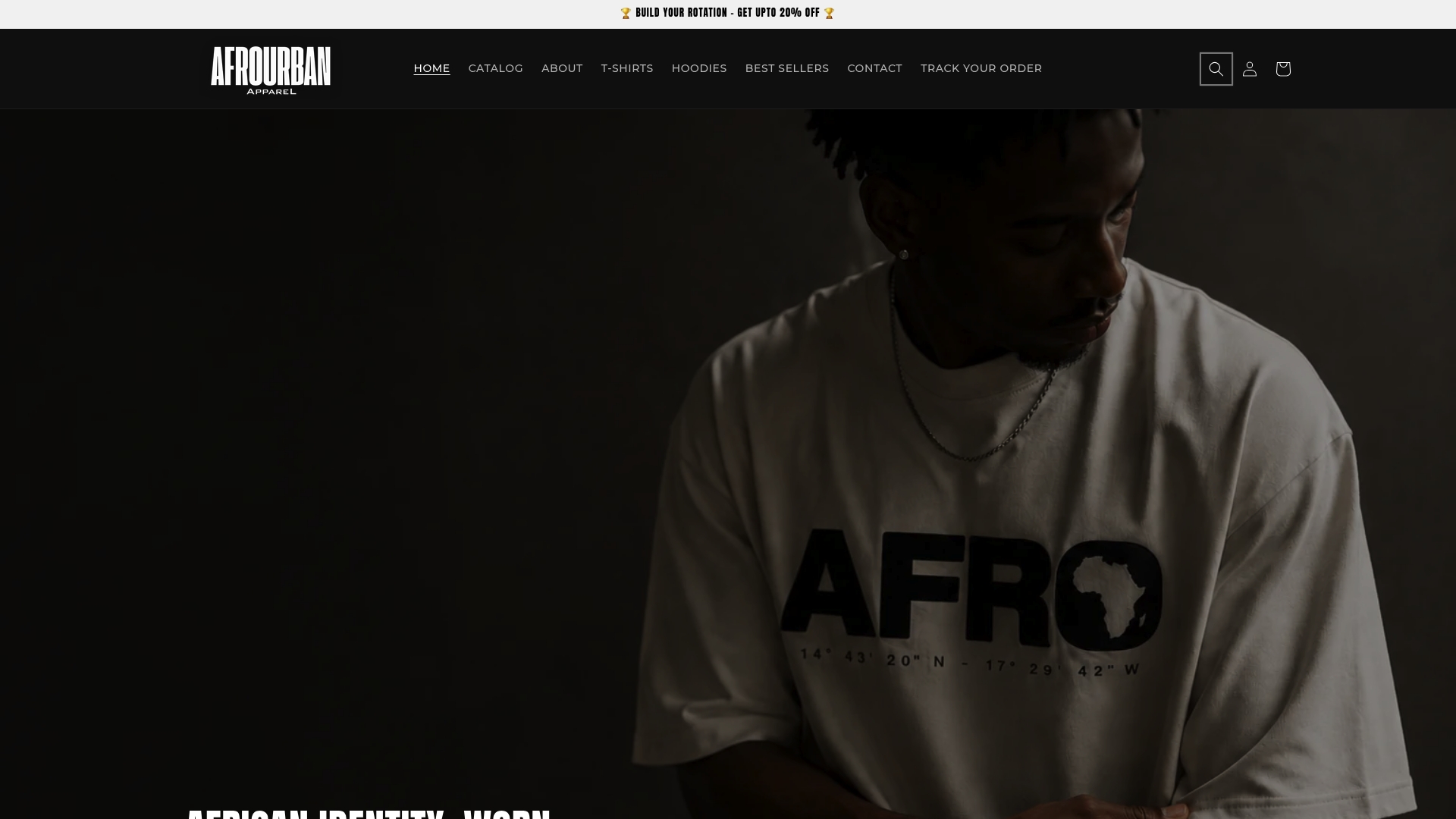
The collection is built for diaspora individuals who want cultural expression woven into daily life, not saved for weddings. Every piece reflects the brand’s commitment to quality, authenticity, and the confidence that comes from wearing your heritage without apology. Visit Afrourbanapparel to find streetwear that holds both worlds at once.
Key Takeaways
The most powerful cultural identity clothing fuses heritage textiles with modern silhouettes, letting the fabric carry the meaning while the cut stays wearable every day.
| Point | Details |
|---|---|
| Third-space wardrobe | The strongest diaspora style holds African heritage and contemporary fashion simultaneously, without choosing between them. |
| Textile as storytelling | Aso Oke, Kente, Adire, and Bogolanfini each carry specific cultural history that transfers into modern garments. |
| Subtle placement works best | Heritage fabrics used as linings, panels, or accents deliver cultural identity without overwhelming a modern silhouette. |
| Regional variation matters | Nigerian, Ghanaian, Caribbean, and Southern African diaspora communities each bring distinct textile traditions to streetwear. |
| Afrourbanapparel | Offers heavyweight streetwear that fuses traditional African design with modern cuts, built for everyday cultural expression. |
Recommended
- What Is Everyday Cultural Dressing and Why It Matters – Afro Urban Apparel
- Cultural Fashion Versatility Checklist for Urban Pros – Afro Urban Apparel
- How to Wear Cultural Apparel on a College Campus – Afro Urban Apparel
- Contemporary Afrocentric Fashion: Style, Culture, and Meaning – Afro Urban Apparel