

Cultural apparel on a college campus is defined as traditional or heritage-inspired clothing worn as part of everyday student life, not reserved for ceremonies or holidays. Students across the country are choosing to wear cultural apparel on campus as a direct statement of identity, and campus culture in 2026 actively supports that choice. Initiatives like “Formal Fridays” and multicultural fashion shows have made heritage clothing more visible than ever. Afrourbanapparel builds on this momentum by offering African streetwear designed for daily wear, not display cases. This guide gives you practical tools to make cultural clothing a real part of your campus wardrobe.
How can college students wear cultural apparel on campus every day?
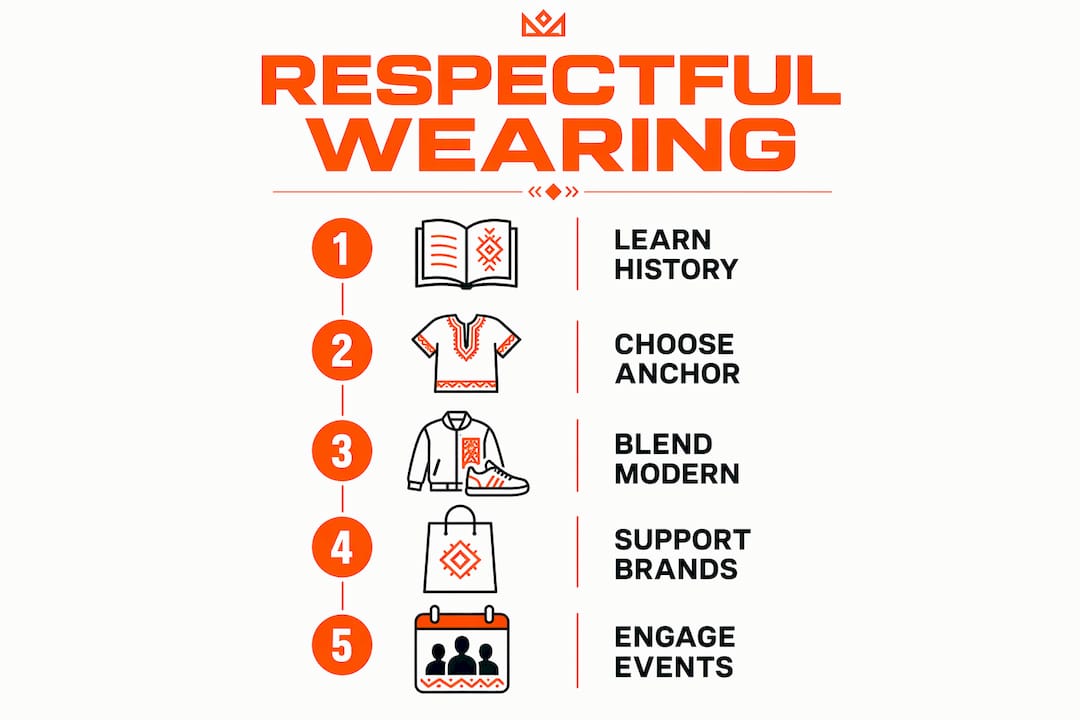
The most effective way to integrate cultural clothing into daily campus fashion is to pair traditional pieces with modern staples you already own. Gen Z leads this shift by mixing heritage garments like hanfu, qipao, and dashikis with casual sneakers and streetwear. That combination makes cultural dress feel practical rather than ceremonial.
The key is choosing versatile anchor pieces. A printed cultural top works with denim jeans and white sneakers for a morning lecture. A woven wrap skirt pairs with a plain fitted tee for an afternoon study session. Students blend traditional garments with modern streetwear to increase both practicality and confidence for regular campus wear. The goal is not a costume. The goal is a wardrobe.

Layering is your best tool for adapting cultural pieces across seasons and settings. A lightweight cultural print jacket worn open over a hoodie reads as streetwear while still carrying cultural weight. Accessories matter too. Personalized patches and heritage symbols act as living archives of identity and work on any jacket, bag, or cap without requiring a full outfit change.
Here are the most practical starting points for building your campus look:
- Start with one statement piece. A cultural print shirt or patterned headwrap anchors the outfit without overwhelming it.
- Prioritize comfort fabrics. Lightweight cotton and jersey versions of traditional silhouettes hold up through long campus days.
- Use neutral bottoms. Black joggers, straight-leg jeans, or khakis let the cultural piece lead.
- Repeat what works. A capsule of three to five cultural staples gives you more outfit combinations than a closet full of one-off pieces.
- Invest in quality over quantity. One well-made cultural garment lasts longer and looks sharper than five cheap alternatives.
Pro Tip: Build your cultural fashion versatility around two or three anchor pieces first. Once those feel natural, add accessories and layering pieces to expand your range without starting over.
What campus initiatives support cultural apparel and how can you get involved?
Campus programs that normalize cultural dress are growing fast, and joining them is one of the most direct ways to build confidence in your fashion choices. The “Formal Fridays” initiative at Thompson Rivers University is a clear example. A Secwepemc student and powwow dancer introduced ribbon skirts to campus over a 6–8 week period, turning a personal practice into a visible weekly tradition. That kind of consistency is what shifts cultural clothing from “special occasion” to “everyday.”
Multicultural fashion shows offer another entry point. Events like the Sankofa African fashion show at Princeton featured up to 31 models showcasing diverse regional styles that blend tradition with personal expression. Seeing that many students wear cultural clothing confidently in one space changes how the broader campus community perceives it.
Here are four ways to get involved in campus cultural fashion initiatives:
- Join a cultural student organization. Most universities have African, South Asian, Latinx, or Indigenous student groups that host fashion events and provide community context for what you wear.
- Participate in “Wear Your Culture” days. These events, often organized by multicultural centers, give you a low-pressure setting to debut new pieces.
- Volunteer at fashion shows. Even behind-the-scenes involvement connects you with students who share your interest and builds your styling knowledge.
- Start something small. A weekly cultural dress day in your friend group or residence hall can grow into something the whole campus notices.
| Initiative type | What it does | How to find it |
|---|---|---|
| Formal Fridays | Normalizes weekly traditional wear | Ask your multicultural student center |
| Cultural fashion shows | Showcases diverse heritage styles | Check student union event boards |
| Cultural club events | Builds community and styling context | Search your university’s club directory |
| Cross-cultural fashion events | Spotlights diversity through shared dress | Contact your campus Cross-Cultural Center |
How do you wear cultural apparel respectfully and avoid appropriation?
Cultural appreciation and cultural appropriation are not the same thing, and the difference matters on campus. Appreciation means you understand the history and meaning behind what you wear. Appropriation means you treat a garment as a costume without that context.
Authentic cultural engagement requires learning the histories and meanings behind clothing, not just wearing it for appearance. That standard applies whether you are wearing your own heritage or engaging with another culture out of genuine respect. The garment carries a story. Your job is to know it.
Engaging with cultural student organizations is the most direct way to get that context. These groups can tell you which garments carry ceremonial significance, which are appropriate for everyday wear, and how to style them without reducing them to a trend. That conversation also builds real relationships across cultural communities on campus.
“Wearing cultural apparel respectfully means treating the garment as a living piece of history. When you understand what a piece represents, you wear it with a confidence that no styling tip can manufacture. That understanding is what separates fashion from costume.”
Here is what to avoid when wearing cultural clothing outside your own heritage:
- Avoid ceremonial garments in casual settings. Items reserved for religious or rites-of-passage ceremonies are not everyday fashion.
- Do not reduce a culture to one aesthetic. Wearing a single “exotic” element as a trend ignores the full context of that culture’s fashion history.
- Skip the costume framing. If you are wearing a cultural garment as a joke, a theme, or a Halloween concept, stop.
- Do not claim expertise you do not have. If someone from that culture corrects you, listen.
What challenges do students face wearing cultural apparel on campus?
The biggest barrier to daily cultural dress is cost. Economic factors like fabric and tailoring costs limit daily use of indigenous attire even among students who strongly value their cultural identity. That gap between attitude and behavior is real, and it deserves a practical solution rather than guilt.
The second barrier is the pull of global fashion trends. Social media feeds dominated by fast fashion make it easy to default to generic streetwear and leave cultural pieces for special occasions. Educational efforts and design modernization can bridge cultural roots with campus aesthetics, but students need to make that choice deliberately.
| Challenge | Practical solution |
|---|---|
| High fabric and tailoring costs | Invest in two or three quality staples instead of a full wardrobe at once |
| Fast fashion dominance | Follow cultural fashion creators on social media to shift your algorithm |
| Social pressure or unfamiliar reactions | Start with accessories before committing to full outfits |
| Limited styling knowledge | Attend campus cultural fashion events to learn from peers |
Building a streetwear wardrobe with African roots does not require a large budget upfront. It requires patience and intentional choices. One heavyweight, well-constructed piece worn three times a week beats five thin, trend-driven items that fall apart by spring semester.
Pro Tip: Look for brands that use ethical fabric sourcing and durable construction. A higher upfront cost often means lower cost per wear over a full academic year.
Key Takeaways
Wearing cultural apparel on campus works best when students combine quality heritage pieces with modern streetwear, engage with campus initiatives, and understand the cultural context behind what they wear.
| Point | Details |
|---|---|
| Start with versatile staples | One or two quality cultural pieces pair with everyday basics to build a full campus wardrobe. |
| Use campus events as entry points | Formal Fridays, cultural fashion shows, and club events build confidence and community. |
| Learn before you wear | Understanding a garment’s history separates cultural appreciation from appropriation. |
| Solve cost with quality | Fewer, better-made pieces outperform a large collection of cheap alternatives over time. |
| Accessories count | Patches, headwraps, and heritage symbols express identity without a full outfit commitment. |
What I have learned watching cultural fashion evolve on campus
I have watched cultural fashion on college campuses shift from something students saved for cultural week to something they wear on a Tuesday morning. That shift did not happen because of a trend. It happened because students stopped waiting for permission.
The students who wear their heritage most confidently are not the ones with the biggest wardrobes. They are the ones who know exactly why they are wearing what they are wearing. That knowledge shows up in how they carry themselves. No amount of styling advice replicates it.
The practical lesson I keep coming back to is this: start smaller than you think you need to. One cultural piece worn consistently, styled with intention, does more for your identity on campus than a full outfit worn once and never again. Repetition builds recognition, and recognition builds community.
The other thing worth saying plainly is that cultural fashion is not a performance. Afrourbanapparel’s core message gets this right. Identity should be woven into daily life, not pulled out for an audience. The campus is your daily life. Dress accordingly.
— Kebz
Afrourbanapparel’s collection for campus cultural wear
Students who want to wear their African heritage daily without sacrificing comfort or style have a direct option in Afrourbanapparel’s collection.

Afrourbanapparel designs premium African streetwear built for everyday identity expression, not special occasions. The collection uses heavyweight fabric that holds up through full academic days, with culturally inspired designs that connect directly to African heritage. Pieces are built to pair with the sneakers, joggers, and basics already in your closet. Students in the African diaspora who want authentic representation in their daily campus fashion will find a collection that takes that need seriously. Browse the full range at Afrourbanapparel and find the pieces that fit your campus life.
FAQ
What is cultural apparel in a college context?
Cultural apparel on campus refers to traditional or heritage-inspired clothing worn as part of everyday student life. It includes garments like dashikis, ribbon skirts, hanfu, and other heritage pieces styled for daily use rather than ceremonial occasions.
How do I start wearing cultural clothing on campus without feeling out of place?
Start with one statement piece paired with familiar basics like jeans and sneakers. Campus events like cultural fashion shows and Formal Fridays give you a supportive setting to build confidence before wearing cultural pieces independently.
What is the difference between cultural appreciation and appropriation?
Appreciation means understanding the history and meaning behind a garment before wearing it. Appropriation means treating a cultural garment as a costume or trend without that context. Engaging with cultural student organizations is the most reliable way to stay on the right side of that line.
How can I afford cultural apparel on a student budget?
Focus on two or three quality staple pieces rather than building a large wardrobe at once. A well-made cultural garment worn regularly delivers more value per dollar than multiple cheap alternatives that wear out quickly.
Can accessories count as cultural expression on campus?
Personalized patches, heritage symbols, headwraps, and culturally significant jewelry all express identity without requiring a full outfit change. These smaller pieces are a practical starting point for students new to wearing cultural apparel daily.