

Air the garment out first, then presoak in a 1:4 vinegar to water solution or a scoop of baking soda before washing with an enzyme detergent, and skip the dryer for a full air-dry instead. That combination handles most everyday sweat odor. Synthetic activewear and older, heavily worn shirts usually need a stronger presoak, since polyester and other man-made fibers grip odor differently than cotton does.
TL;DR:
- Presoak heavily worn synthetic garments with sodium percarbonate or enzyme boosters for several hours to effectively break down embedded oil-based odor molecules.
- Use cold water and gentle cycles for natural fibers, but apply warm or hot water and a longer wash for cotton and breathable fabrics to remove bacterial residue.
- Avoid fabric softeners on odor-prone clothes, as they coat fibers with a waxy layer that traps oils and odors, reducing cleaning effectiveness.
- Always air clothes thoroughly after wearing and between washes, especially synthetic activewear, to prevent odor buildup and permastink.
- For non-washable items like sneakers and hats, use air, light disinfectant sprays, or charcoal sachets instead of soaking or machine washing.
Table of Contents
- Why Clothes Keep Smelling Even After Washing
- Home Remedies That Actually Work
- Machine-Wash Best Practices for Odor Removal
- Fixing Permastink in Athletic and Synthetic Fabrics
- Preventing Odor Before It Sets In
- What to Do When You Can’t Toss It in the Wash
- Afro Urban Apparel’s Care Notes for Heavyweight Streetwear
- Why Fabric Choice Matters More Than Most Laundry Advice Admits
- Sources
Why Clothes Keep Smelling Even After Washing
Sweat itself barely smells. The odor comes from bacteria feeding on skin oils and sebum trapped in fabric, and how badly that smell lingers depends heavily on what the shirt is made of. Oily odor molecules bond tightly to hydrophobic synthetic fibers like polyester, while cotton and merino wool, which absorb moisture rather than repel it, tend to release those same molecules more easily during a normal wash cycle.
Cold, quick washes make this worse because they don’t fully flush out bacterial residue, and a washing machine drum that never gets cleaned can reintroduce the same bacteria to every load.
Textile scientist Rachel McQueen has pointed out that the chemistry between odor molecules and the fiber itself matters more than bacteria alone. Synthetics selectively absorb oily odorants in a way natural fibers simply don’t.
That’s the mechanism behind “permastink,” the industry term for odor that survives repeated washing. It builds up in layers over time, so a gym shirt worn repeatedly without proper treatment may need several rounds of aggressive presoaking, or eventual retirement, no matter how much detergent you throw at it.
Home Remedies That Actually Work
Not every home remedy earns its reputation. A few do, and knowing the right ratio and soak time is the difference between a shirt that smells clean and one that just smells like vinegar.
- Vinegar soak. Mix one part distilled white vinegar to four parts water in a basin or the washer drum. Submerge the garment for 30 minutes up to a few hours for stubborn cases, then rinse and run a normal wash. Vinegar breaks down the alkaline residue bacteria leave behind, which is why a diluted soak is a standard first step for removing embedded sweat smell.
- Baking soda. For a light odor, add half a cup directly to the wash cycle. For pit stains or collar rings, make a paste with a little water and rub it into the fabric, let it sit 15 to 20 minutes, then launder as usual.
- Hydrogen peroxide or oxygen bleach. For white cottons, a capful of hydrogen peroxide in the presoak water lifts both stains and odor. For colors, sodium percarbonate, sold as color-safe oxygen bleach, does the same job without stripping dye. Soak 30 minutes to overnight depending on how bad the smell is.
Pro Tip: *Never mix vinegar with chlorine bleach, as the combination releases chlorine gas, which is dangerous in an enclosed laundry room.
One detail people miss: soak time matters more than soak strength. A weak vinegar solution left overnight often outperforms a strong one rinsed after ten minutes, because bacteria need sustained contact time to break down, not a shock dose.
Machine-Wash Best Practices for Odor Removal
The wash cycle itself can undo everything a good presoak accomplished, so the details here matter.
- Choose enzyme-based detergents for everyday cotton and cotton-blend shirts. Enzymes are built to digest the organic residue, sweat, oil, and skin cells, that feeds odor-causing bacteria, and they’re widely recommended for removing body-odor stains specifically.
- Check the care label for water temperature. Warm or hot water works well on natural fibers if the label allows it, but synthetics should stay in cold water to avoid breaking down elastic fibers and setting oils deeper into the weave.
- Use a heavy-duty or deep-clean cycle when the fabric can handle it. A quick cycle rarely gives detergent enough contact time to fully rinse out odor-causing residue.
- Skip fabric softener on anything odor-prone. Softeners coat fibers with a waxy layer that seals in existing oils instead of releasing them, which defeats the whole point of the wash.
- Don’t overdo the detergent. Excess soap leaves a film on fabric that traps odor rather than removing it, especially with powder detergents on oily stains.
- Pull laundry out of the machine as soon as the cycle ends, and run an empty hot cycle in your washer occasionally to keep the drum itself from harboring bacteria.
Turning garments inside out before washing also helps, since it exposes the side that actually touched your skin directly to detergent and agitation. Combined, these steps track closely with the practical laundry guidance most appliance manufacturers recommend for tackling stubborn body odor.
Fixing Permastink in Athletic and Synthetic Fabrics
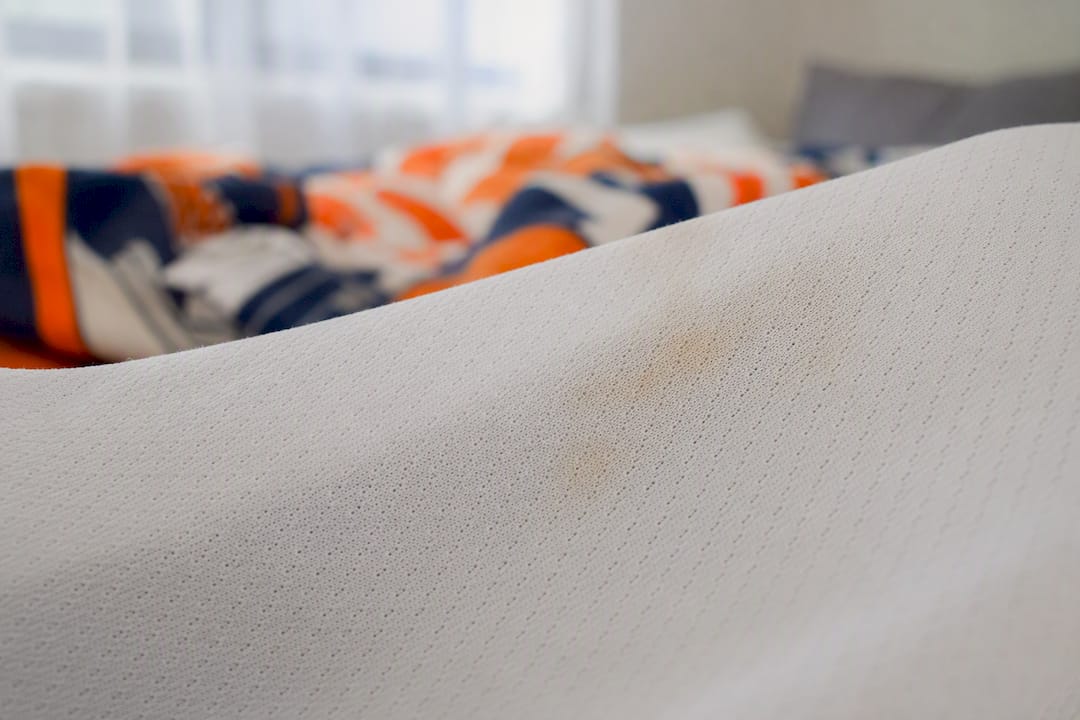
Regular detergent alone rarely fixes a synthetic shirt that’s gone past the point of normal smell. Polyester and other man-made fibers are lipophilic, meaning they attract and hold onto oil-based odor molecules rather than letting water wash them away, which is exactly why your favorite running shirt smells foul again five minutes into the next workout.
The fix is a more deliberate sequence:
- Air the garment out immediately after wearing it, rather than balling it up in a gym bag.
- Presoak using sodium percarbonate or an enzyme laundry booster dissolved in warm water, letting tough cases sit for several hours or overnight.
- Run an enzyme detergent wash on the longest, heaviest cycle the fabric tolerates.
- Air dry in sunlight if the fabric and color can handle UV exposure, since sun exposure helps reduce residual bacteria on top of the wash itself.
- Repeat the presoak once more if any smell remains once dry, rather than throwing it in the dryer and hoping heat solves it.
This full sequence mirrors what research on textile microbiology recommends for garments with embedded bacterial and oil residue. Keep in mind that repeated aggressive presoaks can fade prints and weaken elastic over time, so if a synthetic piece needs this treatment every single wear, it may simply be past its usable life.
Preventing Odor Before It Sets In
Most sweat odor problems start with storage habits, not the wash itself.
- Never toss a damp shirt into a hamper or gym bag. Bacteria multiply fast in that warm, moist environment, and letting the item air-dry first stops that growth before it starts.
- Wash activewear as soon as possible after a heavy sweat session instead of letting it sit for a day or two.
- Rotate your workout clothes so the same synthetic pieces aren’t absorbing oils wear after wear without a break.
- Favor natural fibers like cotton for daily wear when you can, since they release odor more readily in a normal wash than synthetics do.
- Hang clothes to dry in a low-humidity space or in sunlight when the fabric allows it, and pull laundry from the washer or dryer promptly rather than letting it sit.
None of this takes extra time, it just means treating a sweaty shirt the moment you take it off instead of an hour later.
What to Do When You Can’t Toss It in the Wash
Delicates, hats, and sneakers need a different approach since they can’t handle a full soak.
- Air the item outside or near a sunny window, and use a short steam refresh from a garment steamer to loosen odor without soaking the fabric.
- A light mist of rubbing alcohol or vodka evaporates fast and takes odor-causing bacteria with it.
- Tuck activated charcoal sachets into closets or shoe bins to absorb lingering smell over time.
- For sneakers, pull the insoles out and let both the shoe and insole air separately overnight.
- Leather items and structured hats are usually worth taking to a professional cleaner rather than risking water damage at home.
Afro Urban Apparel’s Care Notes for Heavyweight Streetwear
Heavyweight cotton hoodies and tees hold onto more moisture during a wash than lighter fabrics, which means they need a slightly different routine to come out odor-free without losing their print. Afro Urban Apparel builds every piece with dense, durable fabric, so a few adjustments protect both the garment and the artwork.
- Turn dark and printed garments inside out before washing to protect embroidered details and graphics from friction.
- Use a cold, gentle cycle rather than hot water, which can crack prints and pull color out of dark dyes faster.
- Skip the dryer and hang pieces to air dry, both to preserve the heavyweight fabric’s shape and to avoid trapping any residual odor in heat.
The brand’s own fabric care guide for streetwear walks through these steps in more detail, and the guide on washing black hoodies without losing color covers the specific inside-out, cold-wash method that keeps darker pieces looking new for years.
Why Fabric Choice Matters More Than Most Laundry Advice Admits
Most laundry advice treats sweat odor as a detergent problem. It isn’t, not primarily. The research on permastink makes clear that fiber chemistry decides how much of a fight you’re in for before you even load the washer. A cotton tee and a polyester compression shirt worn for the same workout are not the same laundry job, and treating them identically is why so many people cycle through the same “add more detergent” advice without results.
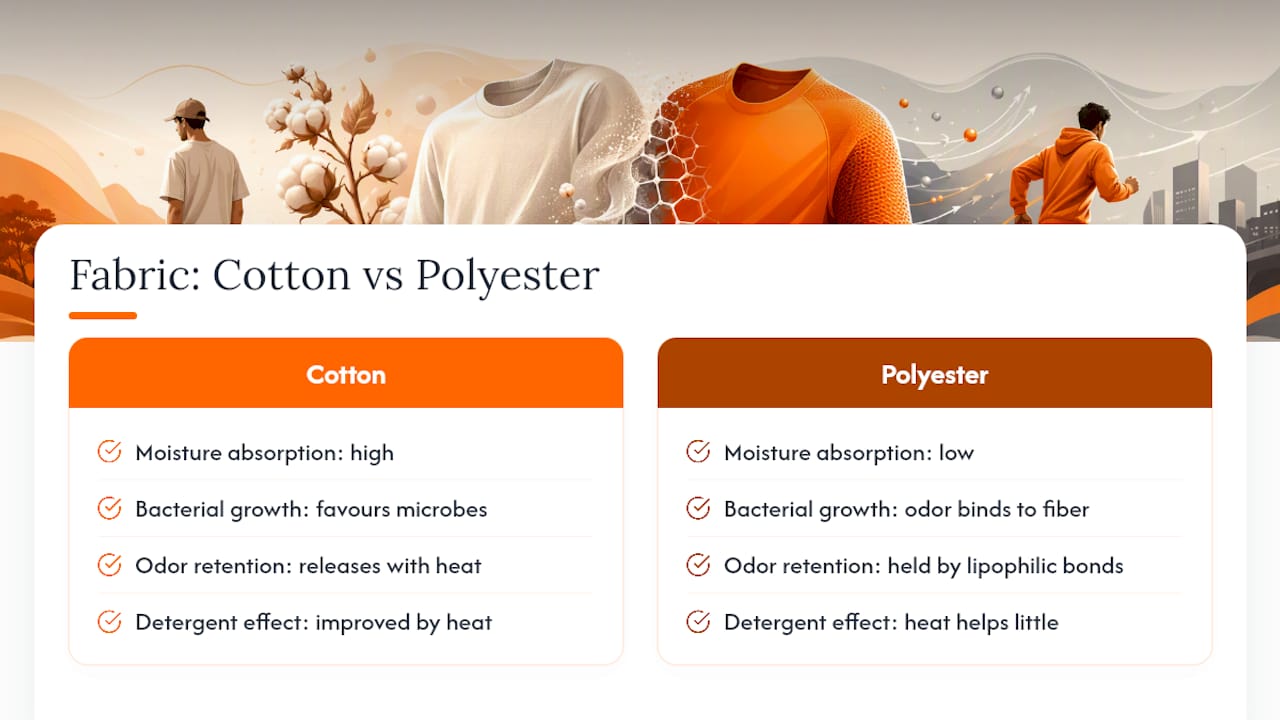
The conventional wisdom oversells hot water and high-powered detergent as universal fixes. Heat helps natural fibers release residue, but it does very little for the lipophilic bonds holding odor inside synthetics, and it can damage elastic and prints in the process. The presoak, not the wash cycle, is where the real work happens for anything synthetic or heavily worn.
If you take one thing from all this: match the treatment to the fabric, not the smell. A heavyweight cotton hoodie needs cold water, gentle handling, and patience. A running shirt needs oxygen bleach and time. Confusing the two wastes effort and shortens the life of clothes you actually want to keep.
— Kebz
Sources
- How to get smell out of clothes | Healthline
- Explainer: The chemistry of permastink and how to prevent it | Chemistry World
- Permastink and textile microbiology (PMC article)
- How to get body odor and sweat smell out of clothes | Whirlpool