

Inclusive fashion design means clothing built to work for everyone, not just the average body. The clearest examples show up in specific structural choices: magnetic snaps and Velcro fastenings replacing buttons, seated-fit trousers with a higher back and lower front cut, front zippers instead of back ones, and flat seams that eliminate skin irritation. Size inclusivity covers a broad range of sizes with no separate “plus” section. Cultural expression is where brands like Afrourbanapparel push the conversation further, weaving African diaspora identity directly into streetwear construction.
Quick examples at a glance:
- Adaptive fastenings: Magnetic snaps, Velcro closures, ring-pull zippers
- Seated-fit cuts: Higher back rise, lower front, longer inseams for wheelchair users
- Sensory-friendly construction: Tagless labels, flat seams, soft natural fibers
- Extended sizing: Ranges from 00 to 40+ with no plus/straight-size divide
- Gender-neutral silhouettes: Unisex cuts that allow identity exploration
- Cultural design integration: African motifs, heritage prints, and diaspora storytelling in everyday streetwear
- Stylized assistive accessories: Ostomy bag covers, wheelchair-compatible bags designed as fashion statements
Table of Contents
- What structural design features actually make clothing more inclusive?
- How size inclusivity and gender-neutral design expand who fashion serves
- What designers and academics say about inclusive fashion’s real purpose
- How Afrourbanapparel builds cultural identity into inclusive streetwear
- How inclusive design empowers cultural expression in streetwear
- Why co-designing with African diaspora communities produces better fashion
- Accessibility beyond the garment: pricing, availability, and where you can actually shop
- Afrourbanapparel brings cultural pride and everyday wearability together
- Key Takeaways
What structural design features actually make clothing more inclusive?
The most effective adaptive clothing examples aren’t cosmetic tweaks. They’re engineering decisions that change how a garment behaves on a real body in motion.
Seated-fit trousers carry a higher back rise and lower front cut specifically to prevent bunching and pressure sores for wheelchair users. Magnetic snaps replace traditional buttons, requiring almost no finger dexterity. Tags get removed entirely, and seams are flattened or turned outward so they don’t press against skin. These aren’t niche accommodations; they’re design upgrades that benefit anyone.
Key adaptive features worth knowing:
- Magnetic closures: Replace buttons for users with arthritis, Parkinson’s, or limited fine motor control
- Velcro fastenings: Applied across leisurewear, denim, and sleepwear for fast, one-handed dressing
- Open-back and side-zip designs: Allow dressing while seated or lying down without full range of motion
- Elastic waistbands with pull loops: Eliminate the need for buttons or zippers on pants entirely
- Flat and outward-facing seams: Reduce friction for users with sensory sensitivities, including autism
- Front zippers: Replace back closures so users don’t need to reach behind themselves
Tommy Hilfiger Adaptive and Target’s Cat & Jack Adaptive both offer collections built around modified necklines and magnetic closures, with US market pricing varying depending on garment complexity. MagnaReady goes further, building an entire line around magnet-first construction for t-shirts and leggings.
How size inclusivity and gender-neutral design expand who fashion serves
Size inclusivity isn’t just about adding a few extra measurements. The real shift happens when brands eliminate the distinction between “straight” and “plus” sizing entirely, creating one unified range where every shopper moves through the same experience.
Universal Standard offers a wide size range with no separate plus section and consistent pricing. Jacqueline City Apparel offers extended sizes and pairs that range with gender-neutral and vegan options. The effect is practical: shoppers aren’t sorted into different sections of a website or store based on body size.
- Unified size ranges: 00 to 40+ with no plus/straight divide
- Gender-neutral cuts: Silhouettes that don’t enforce binary presentation
- Vegan material options: Broadens accessibility for shoppers with ethical or skin-sensitivity concerns
- Consistent pricing across sizes: No surcharge for larger sizes, which has historically been a barrier
For young people in the African diaspora navigating both body diversity and cultural identity, gender-neutral streetwear opens up real creative space. You’re not locked into a silhouette that was designed for someone else’s body or someone else’s idea of how you should present. That freedom is part of what cultural fashion economics increasingly recognizes as a driver of brand loyalty.
What designers and academics say about inclusive fashion’s real purpose
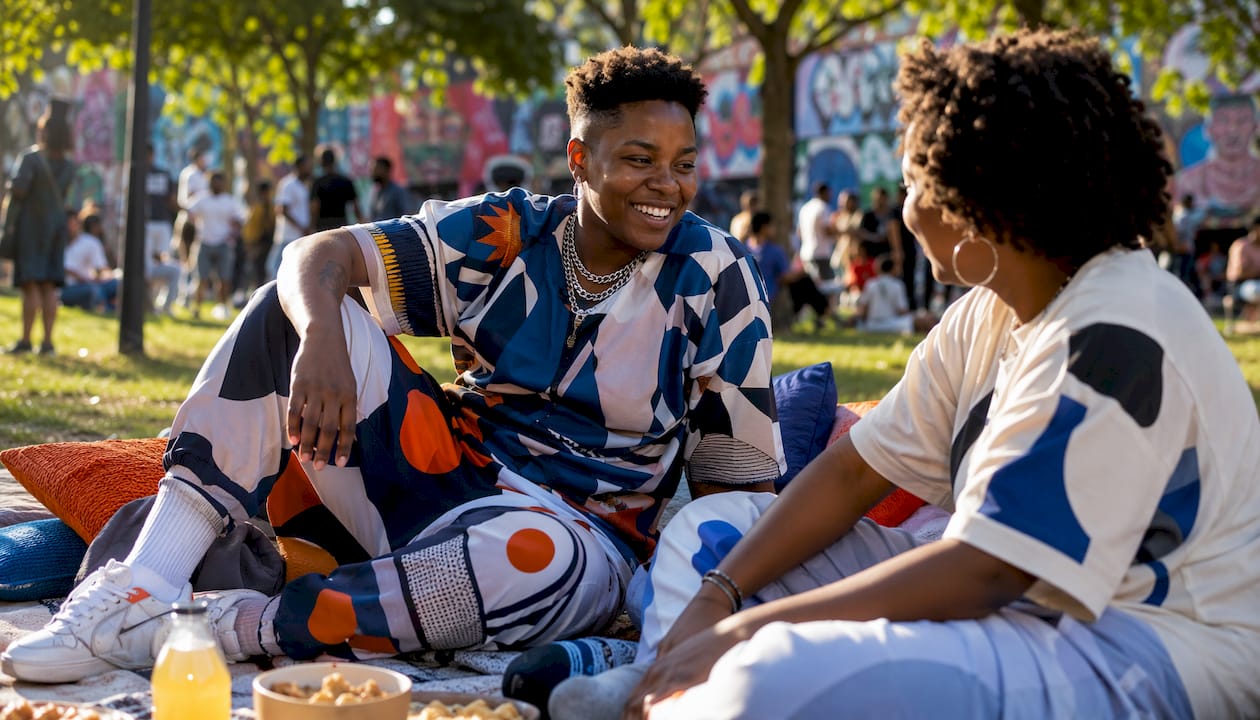
The most important shift in how designers talk about inclusive fashion is this: it’s no longer framed as a medical accommodation. It’s framed as identity work.
Iterative user testing prevents the most common design failures: inaccessible closures, awkward strap placements, garments that look adaptive rather than intentional. When designers work alongside wearers from the start, the result is clothing that functions without announcing its function.
Adaptive features like magnetic closures are increasingly preferred by consumers who don’t have disabilities, simply because they’re faster and easier. That crossover is what moves inclusive design from niche to standard. The academic argument is straightforward: design that works for the most constrained user almost always works better for everyone.
How Afrourbanapparel builds cultural identity into inclusive streetwear
Afrourbanapparel approaches inclusivity from a different angle than most adaptive brands. The focus isn’t primarily on mobility modifications. It’s on making sure African diaspora identity is built into the garment itself, so wearing it is an act of cultural affirmation, not just getting dressed.
The brand uses heavyweight fabric for durability and comfort, pairing that construction with culturally inspired designs that draw from African visual traditions. Customers consistently report that the quality holds up and that the pieces feel like genuine representation rather than surface-level decoration.
- Heavyweight construction: Built for everyday wear, not just occasional use
- African cultural motifs: Heritage prints and design references that carry meaning
- Streetwear silhouettes: Contemporary cuts that fit how young diaspora individuals actually dress
- Consistent sizing philosophy: Pieces designed for diverse bodies without compromising the aesthetic
The Washed Afro Renaissance Hoodie is a direct example: a streetwear staple redesigned to carry cultural weight. That’s inclusive design working at the level of identity, not just fit.
How inclusive design empowers cultural expression in streetwear
Inclusive streetwear does something specific: it lets you show up fully, without having to choose between comfort, function, and who you are. That’s not a small thing when the fashion industry has historically designed for a narrow default.
Visibility matters here. Brands like By Destiny Pinto have shown that stylized assistive accessories, from customized ostomy bag covers to wheelchair-compatible shoulder bags, can transform what was once hidden into loud self-expression. The same logic applies to cultural identity in streetwear: wearing your heritage visibly is its own form of adaptive design.
Empowerment principles in inclusive streetwear:
- Functional independence: Closures and cuts that let you dress without assistance
- Visible identity: Designs that celebrate rather than conceal who you are
- Community recognition: Wearing pieces others in your community recognize and share
- Confidence through fit: Garments that work with your actual body, seated or standing
- Cultural continuity: Connecting daily dress to a larger heritage and story
Pro Tip: When shopping for inclusive streetwear, look for brands that show their pieces on diverse bodies in real settings, not just studio shots. How a garment looks on someone in a wheelchair or with a fuller frame tells you more about its actual design than any product description.
Why co-designing with African diaspora communities produces better fashion
The gap between a designer’s intention and a wearer’s experience closes fastest when the community is in the room from the beginning. Co-creation with end users prevents inaccessible features and connects functionality to real-life needs, whether that’s ease of dressing during a commute or fit for someone who spends most of their day seated.
For African diaspora communities specifically, this means more than functional testing. It means designers asking which cultural references feel authentic, which silhouettes resonate, and which materials carry the right weight and texture for the climate and context where the wearer actually lives. Brands that skip this step tend to produce pieces that look culturally inspired from the outside but feel generic to the people they’re supposedly designed for. The difference shows up in how fashion promotes cultural representation when the community has genuine input versus when it’s treated as an aesthetic reference only.
Accessibility beyond the garment: pricing, availability, and where you can actually shop
A garment can be perfectly designed and still inaccessible if it costs $300 or ships only to certain zip codes. Real accessibility in fashion includes the economics.
As adaptive clothing scales, economies of scale are bringing prices down and reducing the stigma that once kept adaptive and culturally specific pieces out of mainstream retail. But availability in diverse neighborhoods remains uneven. Large retailers like Target carry Cat & Jack Adaptive in stores nationwide, which matters for shoppers without reliable shipping access or who need to try before they buy. Online-first brands serve a wider geographic range but require internet access and return infrastructure that not every shopper has.
For young people in the diaspora, the practical question is whether the brand ships to your area, whether the price point fits a real budget, and whether the sizing actually covers your body. Brands that publish clear size charts, offer free returns, and price inclusively across their size range are doing the full work. A $45 hoodie that ships everywhere and fits a size 3X is more inclusive in practice than a $200 piece that only reaches certain markets.
Afrourbanapparel brings cultural pride and everyday wearability together
Most streetwear makes you choose: wear something that fits the culture or wear something that fits your body and budget. Afrourbanapparel is built on the premise that you shouldn’t have to.
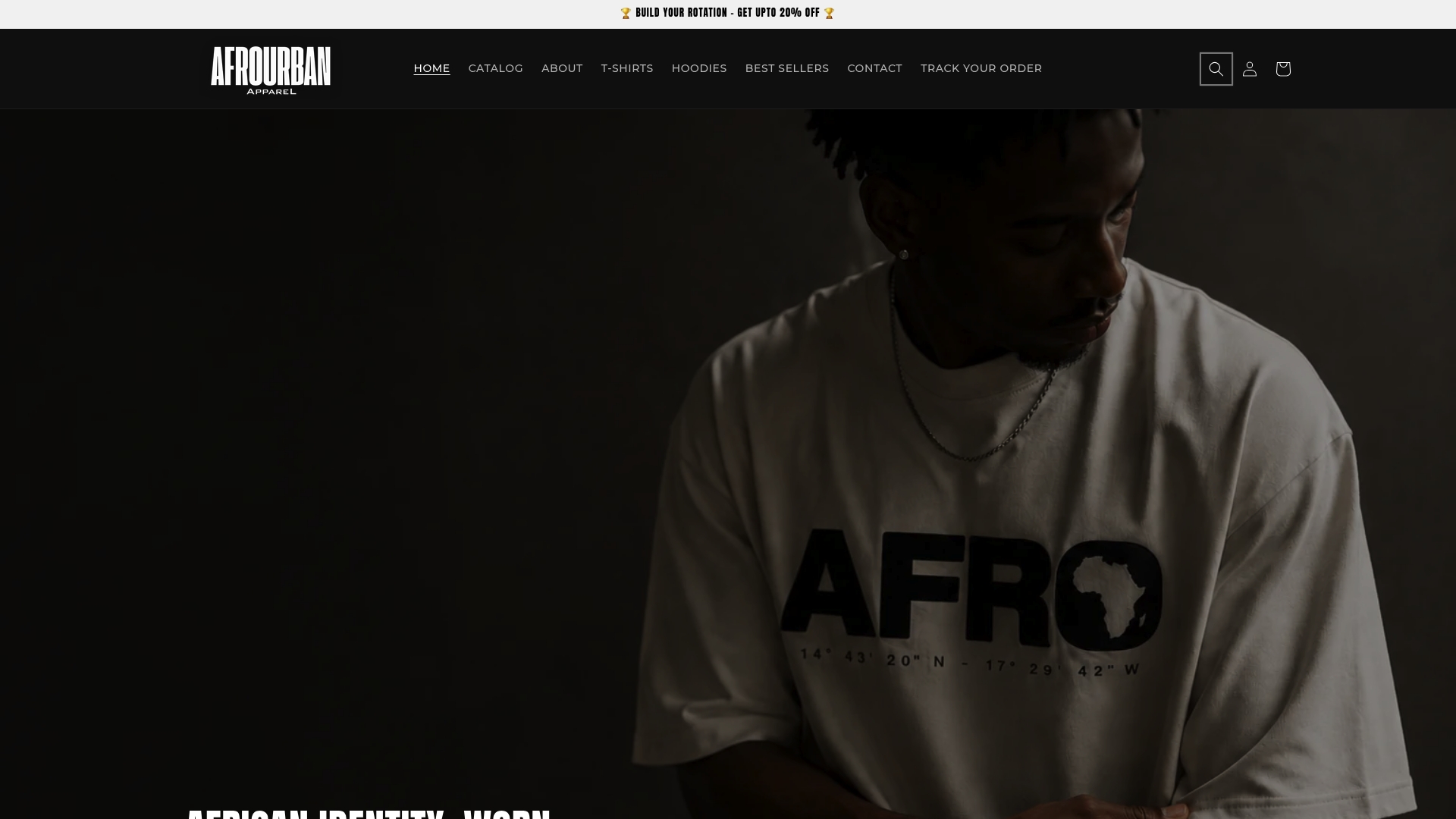
The brand’s collections fuse African cultural aesthetics with heavyweight streetwear construction, designed for diaspora individuals who want their identity present in what they wear every single day. No special occasion required. The pieces are built to last, sized for real bodies, and priced for everyday wear rather than collector shelves. If you’ve been looking for streetwear that carries actual cultural weight without sacrificing quality or fit, the Legacy Hoodies collection is the place to start. Browse the full range and find the piece that fits how you move through the world.
Key Takeaways
Inclusive fashion design works best when structural adaptations, size range, and cultural identity are treated as equally important design priorities, not separate concerns.
| Point | Details |
|---|---|
| Adaptive features are universal upgrades | Magnetic snaps, flat seams, and seated-fit cuts improve wearability for everyone, not just users with disabilities. |
| Size inclusivity requires eliminating divisions | Brands like Universal Standard run sizes 00 to 40 with no plus/straight-size separation and no price difference. |
| Co-design produces better outcomes | Iterative testing with end users prevents inaccessible closures and disconnected cultural references. |
| Accessibility includes price and availability | A well-designed garment is still inaccessible if it’s unaffordable or unavailable in diverse neighborhoods. |
| Afrourbanapparel integrates culture and inclusivity | The brand uses heavyweight fabric and African diaspora design references to make cultural identity part of everyday streetwear. |