

Fashion is a living visual language that carries cultural identity, history, and values through every garment, color, and stitch. The ways fashion promotes cultural representation span far beyond aesthetics. They include storytelling, economic empowerment, political resistance, and heritage preservation. Research confirms that authentic cultural portrayals build genuine brand trust, while superficial inclusion gets rejected as diversity-washing. Brands like Afrourbanapparel demonstrate that cultural identity belongs in everyday wear, not just on special occasions. This article breaks down the specific mechanisms through which fashion becomes a force for cultural expression and affirmation.
1. Ways fashion promotes cultural representation through storytelling
Fashion operates as a semiotic system, where colors, textures, and silhouettes function as signs that communicate cultural, social, and political identities. A kente cloth pattern does not just look striking. It signals Ghanaian royalty, specific clans, and ceremonial meaning to those who know its grammar. That layered communication is what separates cultural fashion from generic apparel.
Designers embed history into garments through traditional textiles, hand-stitched motifs, and silhouettes tied to specific communities. When a Maasai shuka print appears on a contemporary jacket, it carries the full weight of East African pastoral culture into a modern context. The garment becomes a conversation between past and present.
Digital platforms have amplified this storytelling from local to global audiences. An artisan in Lagos or Nairobi can now reach diaspora communities in London, Atlanta, or Toronto through Instagram or TikTok. That reach transforms fashion from a local cultural practice into a global cultural statement.
- Colors carry coded meaning: red signals power in many West African traditions, while white signals mourning in parts of East Asia.
- Silhouettes reference body politics: the boubou’s flowing lines reflect West African ideals of dignity and presence.
- Embroidery patterns function as genealogical records in cultures from Morocco to Mexico.
- Material choices signal values: hand-woven fabric signals artisan labor and community economy over mass production.
Pro Tip: When you want to promote cultural representation through clothing choices, research the specific meaning behind a textile or motif before wearing it. Knowing the story makes you a better ambassador for the culture it represents.
2. Preserving craftsmanship through heritage-inspired design
Fashion preserves intangible cultural heritage by keeping traditional skills alive in practical, wearable form. UNESCO workshops combining hands-on training with theoretical knowledge have enabled designers and heritage bearers to integrate embroidery, pattern-making, and garment construction into contemporary fashion. That approach moves cultural knowledge out of museums and into daily life.
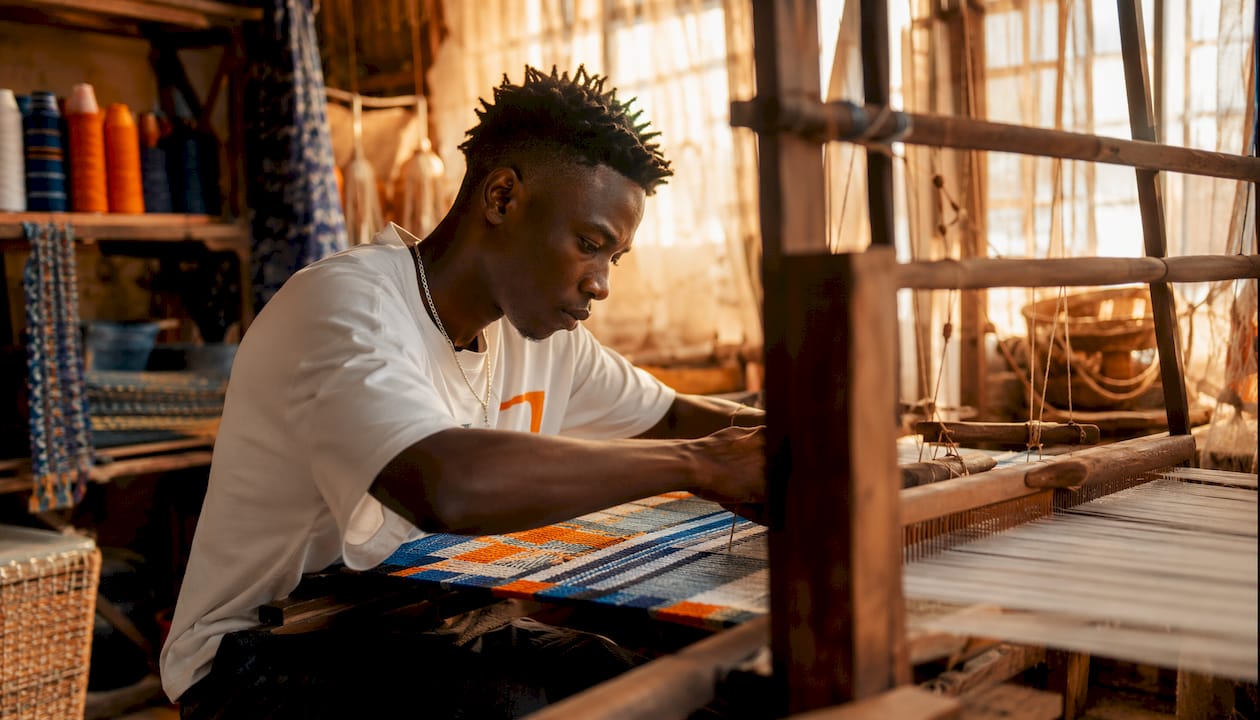
A four-day UNESCO workshop with 27 participants focused on exactly this transfer of skills. The result was prototype designs that honored traditional techniques while meeting modern market demands. That model proves that preservation and commercial viability are not opposites.
The Institut Français de la Mode has documented a broader shift: fashion objects and craftsmanship are now recognized as significant cultural heritage, comparable to traditional art forms. That recognition changes how brands, institutions, and consumers value handmade cultural garments.
The practical implications for the fashion value chain are significant:
- Sourcing: Brands that source traditional textiles directly from artisan communities preserve weaving and dyeing techniques that would otherwise disappear.
- Branding: Heritage-rooted design gives brands a story that mass-produced fashion cannot replicate.
- Prototyping: Combining traditional construction methods with modern pattern-making produces garments that are both culturally accurate and commercially viable.
- Knowledge transfer: Apprenticeship models within fashion houses pass skills across generations, sustaining techniques like Adinkra stamping or Kuba cloth weaving.
| Heritage technique | Region of origin | Modern application |
|---|---|---|
| Kente weaving | Ghana, West Africa | Streetwear panels, accessories |
| Adire indigo dyeing | Yoruba, Nigeria | Contemporary prints, outerwear |
| Bogolan (mud cloth) | Mali, West Africa | Jackets, bags, home goods |
| Kuba cloth embroidery | Democratic Republic of Congo | Statement pieces, editorial fashion |
3. Cultural sovereignty and community agency in fashion
Cultural sovereignty in fashion means marginalized communities control their own production, narrative, and design choices rather than having their aesthetics borrowed and repackaged by outside interests. This is the defining line between cultural appreciation and cultural appropriation.
The difference between appreciation and appropriation comes down to reciprocity and agency. Ethical cultural representation requires formal collaboration with heritage bearers, proper credit, and community involvement in design decisions. Aesthetic borrowing without those elements extracts value from a culture without returning anything to it.
“Fashion has become the frontline of cultural sovereignty in the post-colonial world. Marginalized cultures are reclaiming their fashion narratives and redefining global contemporary aesthetics on their own terms.”
Decentralized fashion ecosystems are making this shift possible. Small-batch production, direct-to-consumer digital sales, and community-owned design studios give heritage communities economic control over their own cultural output. That control is what turns fashion into genuine self-determination rather than performance.
- Communities that own their production chains set the terms for how their culture is represented.
- Collaboration models that include revenue sharing and co-design credit ensure cultural communities benefit economically.
- Fashion as soft power lets communities assert identity globally without requiring political confrontation.
- African textile traditions carry specific cultural weight that demands informed, respectful engagement from designers and wearers alike.
4. Fashion as an economic and political force
African fashion’s rise as a global luxury and cultural power symbol is one of the clearest examples of fashion functioning as both economic development and political statement. African designers now show in London, Paris, and New York, with digital visibility that extends their reach far beyond those cities. That presence is not just commercial. It is a claim on global cultural space.
Red carpet moments and major media events function as stages for cultural diplomacy. When a public figure wears a garment by an African designer to a global awards ceremony, the cultural message reaches millions of people who would never visit a fashion week. That visibility shifts perception at scale.
Pro Tip: Supporting artisan-made cultural fashion is one of the most direct ways to promote cultural representation through your clothing choices. Each purchase funds a skilled maker and keeps a traditional technique economically viable.
The economic dimension of cultural fashion extends to entire supply chains. Artisans, dyers, weavers, and embroiderers all benefit when culturally rooted brands succeed commercially. Sustainability and traceability have become part of this equation. Brands that document their supply chains and credit their artisan partners make a cultural and environmental statement simultaneously.
The cultural fashion economics of African-rooted streetwear show that heritage design is not a niche market. It is a growing global category with real purchasing power behind it, particularly among diaspora communities seeking authentic representation in everyday wear.
5. Fashion activism as daily practice
Fashion activism, also called sartorial resistance, is the deliberate use of clothing to challenge power structures, assert identity, and demand recognition. It is not limited to protest marches or political events. The most durable form of fashion activism is daily practice.
Authentic cultural representation means integrating cultural identity into everyday styling, not just wearing heritage garments for special occasions. Indigenous designers have described coordinating outfits with traditional tattoos or symbols as a form of lived identity that communicates belonging and pride continuously. That consistency is what makes it activism rather than costume.
The role of fashion in cultural preservation is strongest when it operates at the level of daily habit. A person who wears culturally rooted clothing to work, to the grocery store, and to social events normalizes that culture’s presence in public space. That normalization is a political act, even when it feels personal.
Fashion activism also includes the choices brands make about sourcing, storytelling, and community investment. A brand that pays artisans fairly, credits its cultural sources, and reinvests in community programs is practicing fashion activism through its business model. The garment and the business behind it both carry the message.
6. Digital platforms and the global amplification of cultural fashion
Digital platforms have fundamentally changed who gets to tell cultural fashion stories. Before social media, cultural fashion from the African diaspora, Indigenous communities, or South Asian traditions reached global audiences primarily through Western editorial gatekeepers. That filter is now largely gone.
A designer in Accra can build a global following without a Paris showroom. A diaspora creator in Toronto can document their cultural styling practice and reach hundreds of thousands of people who share their heritage. That direct connection between creator and community is a form of cultural representation that did not exist at scale a decade ago.
The modern African fashion movement has benefited enormously from this shift. Brands and designers who might have been invisible to international markets now have platforms where their cultural specificity is an asset, not a barrier. Afrourbanapparel operates in exactly this space, using digital reach to connect diaspora communities with fashion that reflects their heritage.
Open knowledge sharing online also supports cultural preservation. When designers document traditional techniques through video tutorials, written guides, or collaborative projects, they create a public record that keeps those skills accessible. Dismantling gatekeeping in fashion ecosystems is vital for cultural growth and enables indigenous and diaspora creators to reclaim narrative control.
7. Color and symbolism as cultural identity markers
Color in fashion is never neutral. Every culture assigns specific meanings to specific colors, and those meanings carry political, spiritual, and social weight. Understanding color as a cultural identity marker is one of the most direct ways to read fashion as cultural communication.
In many West African traditions, the combination of green, gold, and red signals Pan-African solidarity and pride. That color language travels with the diaspora and appears in streetwear, accessories, and graphic design far beyond the African continent. Color blocking in African fashion carries specific cultural power that goes well beyond visual aesthetics.
Symbols function the same way. The Adinkra symbols of the Akan people of Ghana each carry a specific philosophical meaning. When those symbols appear on a hoodie or a jacket, they transform a garment into a statement of values. Wearers who know the meaning carry that knowledge with them. Observers who ask about it receive a cultural education.
This symbolic dimension of fashion is what makes it such a powerful tool for cultural representation. A garment can communicate identity, history, and values without a single word. That silent communication reaches people who would never read an article or attend a cultural event, making fashion one of the most accessible forms of cultural education available.
Key Takeaways
Fashion promotes cultural representation most effectively when it combines authentic storytelling, community agency, economic investment in artisans, and daily practice rather than occasional display.
| Point | Details |
|---|---|
| Fashion is a semiotic system | Colors, textures, and silhouettes communicate cultural identity as precisely as spoken language. |
| Heritage preservation requires practice | UNESCO-supported workshops show that keeping traditional techniques alive demands hands-on skill transfer, not just documentation. |
| Sovereignty requires community control | Authentic cultural representation means communities own their production, narrative, and design decisions. |
| Daily wear is the strongest activism | Integrating cultural identity into everyday clothing normalizes cultural presence in public space. |
| Economic support sustains culture | Buying from artisan-rooted brands funds the makers and techniques that keep cultural heritage alive. |
Why I think most conversations about cultural fashion miss the real point
Most discussions about cultural representation in fashion focus on visibility. Who is on the runway? Whose print is trending? Those questions matter, but they miss the deeper issue: visibility without agency is just decoration.
The brands and designers doing this work well are not just making beautiful garments. They are building systems. They source directly from artisan communities. They document their supply chains. They share knowledge openly instead of hoarding it as competitive advantage. That infrastructure is what makes cultural representation durable rather than seasonal.
I have watched too many “culturally inspired” collections launch with great press and then disappear, leaving the communities they drew from with nothing. The difference between those collections and genuine cultural fashion comes down to one question: who benefits? If the answer is only the brand, the representation is hollow.
The future of cultural fashion belongs to decentralized, community-owned creative ecosystems. Digital platforms have already started building those ecosystems. The next step is ensuring that the economic value generated by cultural fashion flows back to the communities that created the culture in the first place. That is not idealism. That is the only model that actually sustains cultural representation over time.
— Kebz
Afrourbanapparel: African identity in everyday streetwear
Afrourbanapparel was built on a straightforward premise: cultural identity belongs in your daily wardrobe, not just at cultural events. Every piece in the collection fuses traditional African design elements with modern streetwear construction, using heavyweight fabrics built for real wear.
The brand sources culturally inspired designs that connect diaspora communities to their heritage through clothing they actually want to wear every day. From graphic hoodies to statement pieces rooted in African textile traditions, Afrourbanapparel makes it possible to carry your identity with you without compromise. Browse the full African streetwear collection or check out the Legacy Hoodies to find pieces that reflect who you are.
FAQ
What is cultural representation in fashion?
Cultural representation in fashion is the authentic portrayal of a community’s identity, values, and heritage through garment design, textiles, and styling. It goes beyond surface aesthetics to include community agency over how that culture is shown and who benefits from it.
How does fashion function as cultural resistance?
Fashion functions as cultural resistance when marginalized communities use clothing to assert identity, challenge dominant narratives, and reclaim visibility in public space. Daily wear of culturally rooted garments normalizes that culture’s presence and constitutes a continuous political act.
What is the difference between cultural appropriation and cultural appreciation in fashion?
Cultural appreciation involves formal collaboration with heritage communities, proper credit, and shared economic benefit. Cultural appropriation extracts aesthetic elements without reciprocity, credit, or community agency, as outlined in ethical guidelines on cultural representation in design.
How does fashion preserve intangible cultural heritage?
Fashion preserves intangible cultural heritage by keeping traditional techniques like weaving, embroidery, and natural dyeing economically viable through contemporary design. UNESCO workshops have demonstrated that hands-on skill transfer between heritage bearers and designers is the most effective preservation method.
Why is authentic representation more effective than surface-level inclusion?
Research with Black consumers shows that authentic, culturally resonant portrayals build genuine brand trust, while superficial inclusion gets rejected as diversity-washing. Authentic representation requires narrative agency and cultural respect, not just the presence of cultural imagery.
Recommended
- How to Wear Cultural Apparel on a College Campus – Afro Urban Apparel
- Cultural Fashion Versatility Checklist for Urban Pros – Afro Urban Apparel
- Slow Fashion Cultural Wear: What It Means and Why It Matters – Afro Urban Apparel
- Modern African Fashion Explained: Culture Meets Style – Afro Urban Apparel