

Pick slim if you want a sharp, modern silhouette that reads polished in almost any setting. Pick relaxed if you want real mobility, a street-forward aesthetic, and a cut that holds its shape without fighting your body. Most men already know which camp they lean toward — the problem is sizing and construction, not the concept.
TL;DR:
- Slim fit adds some extra ease over your body measurements; relaxed fit adds significantly more, creating a noticeably roomier silhouette through the seat and thigh.
- Lean and lean-muscular builds tend to look best in slim; athletic, broader, and fuller builds often wear relaxed more naturally — but there are no hard rules.
- Do not size up to fake a relaxed look. Buy the relaxed block in your usual size. Sizing up shifts the shoulder, rise, and armhole proportions, and ruins the silhouette.
Afrourbanapparel carries both slim and relaxed pieces built with heavyweight fabrics and published finished-dimension measurements, so you can compare actual garment numbers before you buy.
Table of Contents
- What slim fit actually looks like on your body
- What relaxed fit actually means (and why it is not sloppy)
- Relaxed vs slim at a glance
- Which body types and activities suit each fit
- How to measure and test a pair before you buy
- How to style each fit: outfit pairings that actually work
- How fabric and construction change the fit
- Expert tips and common mistakes to avoid
- Key Takeaways
- The fit choice most guides get wrong
- Afrourbanapparel: purpose-built fits with the construction to back them up
What slim fit actually looks like on your body
Slim fit is tailored closely to the body with a tapered leg that narrows from the thigh down to a trim ankle opening. The construction adds some extra ease at the chest and waist compared with your actual body measurements — enough room to move, not enough to bunch or billow.

The key construction details that create the look: a mid-to-high rise that sits cleanly at the waist, a knee taper that starts around mid-thigh, and a leg opening narrow enough that the fabric lies flat against the lower leg. At the thigh, a well-fitting slim pant should feel snug but not restrict a full stride. At the knee, the fabric should skim without pulling. At the ankle, you want an opening sized to suit your build, generally within a range typical for slim styles.
What to check on a product page:
- Finished garment measurements (not body measurements) — look for chest, waist, hip, thigh, knee, and leg opening listed in inches or centimeters
- Rise — a low rise (under 10 inches) will feel restrictive when seated; mid-rise (10–11 inches) is the most versatile for slim cuts
- Leg opening — anything under 14 inches reads as slim; 14–16 inches is regular territory
| Measurement point | Slim fit range | What it feels like |
|---|---|---|
| Ease at chest/waist | some extra room over body | Snug, moves with you |
| Thigh | Close, minimal bunching | Firm but not restrictive |
| Knee taper | Gradual from mid-thigh | Fabric lies flat |
| Leg opening | ~13–15 inches | Clean break at ankle |
What relaxed fit actually means (and why it is not sloppy)
Relaxed fit adds significant ease through the seat and thigh compared with your body measurements. The leg is straighter or only gently tapered, and the rise tends to run longer than a slim cut, which gives more room when sitting or moving.

The critical distinction: relaxed is not the same as oversized. A well-cut relaxed piece uses measured ease and correct shoulder placement to look intentional. The shoulder seam should still sit on or very close to your natural shoulder bone. When it drops noticeably below the shoulder, you may be looking at an oversized pattern block, not a relaxed one. That distinction matters for how the garment drapes and whether it reads as deliberate or just large.
Construction signals of a true relaxed fit:
- Seat and thigh have noticeably more room than slim, but the fabric does not bunch or fold excessively
- Rise is typically longer, which reads as more comfortable when seated and better for layering underneath
- Leg opening is wider (often 17–20+ inches), giving a straighter silhouette from hip to hem
- Shoulder seam sits on the natural shoulder or drops no more than 1 inch for a relaxed top
Relaxed-fit pants often have a longer rise and roomier thigh, which makes them a natural choice for active wear, layered outfits, and longer days on your feet.
Relaxed vs slim at a glance
| Dimension | Slim fit | Relaxed fit |
|---|---|---|
| Best for | Lean, lean-muscular builds; desk work; smart-casual | Athletic, broader, fuller builds; active days; streetwear |
| Silhouette | Tapered from thigh to ankle, close to body | Straight or gently tapered, roomy through seat and thigh |
| Comfort & mobility | Good for standing and walking; can restrict deep squats | High mobility; comfortable seated for long periods |
| Formality | Smart-casual to formal | Casual to smart-casual; rarely formal |
| Fabric/stretch | Works well with stretch blends; lighter weights | Benefits from heavier weaves to hold structured drape |
| Sizing guidance | Order your usual size | Order your usual size — do not size up |
Three quick checks to pick your fit:
- Do you want the pants to follow your leg shape? Yes → slim. No → relaxed.
- Will you be sitting for most of the day or moving actively? Active/sitting → relaxed.
- Is the occasion smart-casual or more formal? Smart-casual/formal → slim.
Which body types and activities suit each fit
Slim fit works best for lean or athletic builds where the taper highlights proportions without pulling across the thigh or seat. A lean-muscular build — think a runner’s or swimmer’s frame — usually sits right at the edge: slim fits the waist and thigh well, but the knee taper can feel tight if the quads are developed. Try both and check the thigh first.
Relaxed fit tends to favor broader frames, fuller midsections, and anyone who prioritizes mobility over a tailored look. The extra ease through the seat and thigh means the fabric falls cleanly rather than pulling across the widest point of the body. For a straight or rectangular build, relaxed cuts add visual weight and shape that slim cuts cannot.
Activity matters as much as body shape. Commuting, long desk days, and travel all favor relaxed: the longer rise and roomier thigh prevent the waistband from digging in when seated. Smart-casual events, client meetings, and evenings out usually call for slim, where the cleaner line reads as more put-together.
Mixing fits is often the smartest move. Slim trousers with a relaxed or boxy top balances volume and keeps the look modern. Relaxed pants with a fitted crewneck or structured jacket prevents the outfit from reading as shapeless. The rule is simple: one fitted piece, one with more volume.
How to measure and test a pair before you buy
Product pages typically show finished garment measurements, not body measurements — compare the garment’s flat measurements against your own to avoid surprises.
Measurement checklist:
- Waist — measure your natural waist (not hip), then compare to the garment’s waist measurement. For slim, expect 2–3 inches of ease. For relaxed, 6–8+ inches.
- Rise — measure from your crotch seam to your waistband while seated. A garment with a shorter rise will pull when you sit.
- Thigh — measure around your fullest thigh and double the garment’s flat thigh measurement. You want 2–3 inches of ease for slim, 6–8+ inches for relaxed.
- Knee — check that the knee measurement allows a full bend without pulling.
- Leg opening — determines whether the hem breaks cleanly over your shoe.
- Seat — measure around your fullest hip and compare to the garment’s seat measurement.
Try-on routine (in-store or at home):
- Put the pants on and fasten them at your natural waist.
- Do a 10-second movement test: take a full stride, bend one knee, and reach forward.
- Sit down fully. The waistband should not dig in and the thigh should not pull tight.
- Walk normally for 30 seconds. Watch for bunching at the crotch or thigh.
- Check the hem break — it should land cleanly at the top of your shoe.
Sizing rule: Stay in your usual size for both slim and relaxed. Sizing up for a relaxed look shifts the shoulder seam, armhole, and rise proportions in ways that make the garment look wrong, not roomier.
Pro Tip: Check the shoulder seam on tops and hoodies first. A slim-fit seam sits exactly on the shoulder bone. A relaxed seam drops slightly but should not fall more than 1 inch off the bone. If it drops 2–3 inches, you are looking at an oversized pattern, not a relaxed one — and that changes how everything else fits.
How to style each fit: outfit pairings that actually work
Slim fit formulas:
Slim pants pair naturally with fitted or slightly tapered tops. A slim chino with a tucked Oxford shirt and white leather sneakers covers smart-casual from a Monday meeting to a Saturday dinner. For evenings, swap the sneakers for a Chelsea boot and add a structured bomber or unlined blazer. The key is keeping the top close to the body — a boxy or oversized top over slim pants creates a top-heavy silhouette that reads unbalanced.
Relaxed fit formulas:
Relaxed pants need a counterweight at the top. A fitted crewneck or a structured graphic tee keeps the proportions readable. For streetwear, relaxed cargo pants or wide-leg trousers with a heavyweight hoodie — worn slightly cropped or tucked at the front — is a proven formula. Footwear matters more with relaxed cuts: chunky sneakers or boots with some visual weight anchor the hem; thin-soled shoes can disappear under a wide leg opening and make the outfit look unfinished.
Hem and cuffing:
Slim pants look cleanest with a slight break or no break at the ankle. A single cuff (about 1.5 inches) works well with slim chinos and casual sneakers. Relaxed pants can be worn with a full break, a double cuff, or stacked slightly over the shoe — all three read intentional when the fabric has enough weight to drape rather than bunch.
For cultural streetwear styling that balances proportion across both fits, the principle is the same: one volume, one structure.
How fabric and construction change the fit
Stretch content changes how a fit reads on the body. A slim pant in a rigid woven fabric (no stretch) will feel tighter and look sharper. The same cut in a 2–4% elastane blend moves with you and reads slightly softer. For relaxed fits, stretch is less critical because the ease is already built in — but it does help with active wear.
Fabric weight is where relaxed fits live or die. Heavyweight fabrics help relaxed cuts hold a structured drape and avoid reading as sloppy — which is exactly why some streetwear brands prefer heavier weaves for relaxed silhouettes. A lightweight cotton in a relaxed cut will collapse and wrinkle; a 300–400 GSM fabric holds the intended shape through a full day of wear.
Care notes that preserve fit:
- Wash in cold water and turn garments inside out to protect the weave structure
- Air dry or tumble dry on low — high heat shrinks cotton and distorts the rise and leg opening
- Hang slim pants by the waistband to preserve the taper; fold relaxed pants to avoid stretching the wider leg opening
- For heavyweight pieces, follow fabric-specific care practices to keep the drape intact wash after wash
Expert tips and common mistakes to avoid
The single biggest fit mistake men make is treating “relaxed” as a size, not a cut. Sizing up in a slim-fit garment does not give you a relaxed silhouette — it gives you a slim cut with a waistband that fits and a shoulder seam that hangs off your arm. The shoulder, rise, and armhole are all calibrated for a smaller frame. The result looks like you borrowed someone else’s clothes, not like you chose a roomier style.
The second most common error is ignoring finished garment measurements entirely. Most men go straight to the size label, which tells you almost nothing about how a garment will actually fit. Two brands can both label a pant “32W/32L” and have thigh measurements that differ by 3 inches. Always pull the finished dimensions and compare them to your body.
When to involve a tailor: if a slim pant fits perfectly at the waist but pulls at the thigh, a tailor can let out the thigh seam if there is enough fabric. If a relaxed pant fits the seat and thigh but the waist is too large, a tailor can take in the waistband cleanly. Neither alteration is expensive, and both are faster than returning and reordering.
For a deeper look at how construction choices translate into fit in premium streetwear, the principles above apply across every category.
Key Takeaways
Slim fit suits lean and lean-muscular builds for sharp, modern looks; relaxed fit suits broader builds and active lifestyles — and both require ordering your usual size, not sizing up.
| Point | Details |
|---|---|
| Ease defines the difference | Slim adds 2–3 inches of ease; relaxed adds 6–8+ inches through seat and thigh. |
| Never size up for relaxed | Buy the relaxed block in your usual size — sizing up distorts shoulder, rise, and armhole proportions. |
| Check finished garment measurements | Compare the brand’s flat measurements to your body; the size label alone tells you nothing about thigh or rise. |
| Balance volume when styling | Pair slim pants with fitted tops; pair relaxed pants with a structured or fitted top to avoid a shapeless look. |
| Afrourbanapparel | Carries heavyweight relaxed and slim pieces with published finished-dimension measurements for accurate online sizing. |
The fit choice most guides get wrong
There is a tendency in menswear guides to treat slim fit as the “correct” or elevated option and relaxed fit as a concession to comfort. That framing is outdated and, frankly, wrong for anyone paying attention to where streetwear has moved.
A relaxed cut in a heavyweight fabric with correct shoulder placement is not a casual compromise. It is a deliberate silhouette choice, and it reads that way when the construction is right. The problem is not the fit category — it is the execution. A thin, floppy fabric in a relaxed cut looks unfinished. The same pattern in a structured 380 GSM cotton looks considered and confident.
At Afrourbanapparel, the decision to use heavyweight fabrics in relaxed pieces is not incidental. It is what separates a garment that holds its shape through a full day from one that collapses by noon. The brand’s identity-forward approach — fusing African cultural elements with modern streetwear construction — only works if the fabric carries the design. A bold print on a limp fabric loses half its impact. The weight is part of the statement.
Pick the fit that matches the vibe you are going for. Slim reads sharp and structured. Relaxed reads street-forward and confident. Both are high-quality choices when the construction backs them up.
Afrourbanapparel: purpose-built fits with the construction to back them up
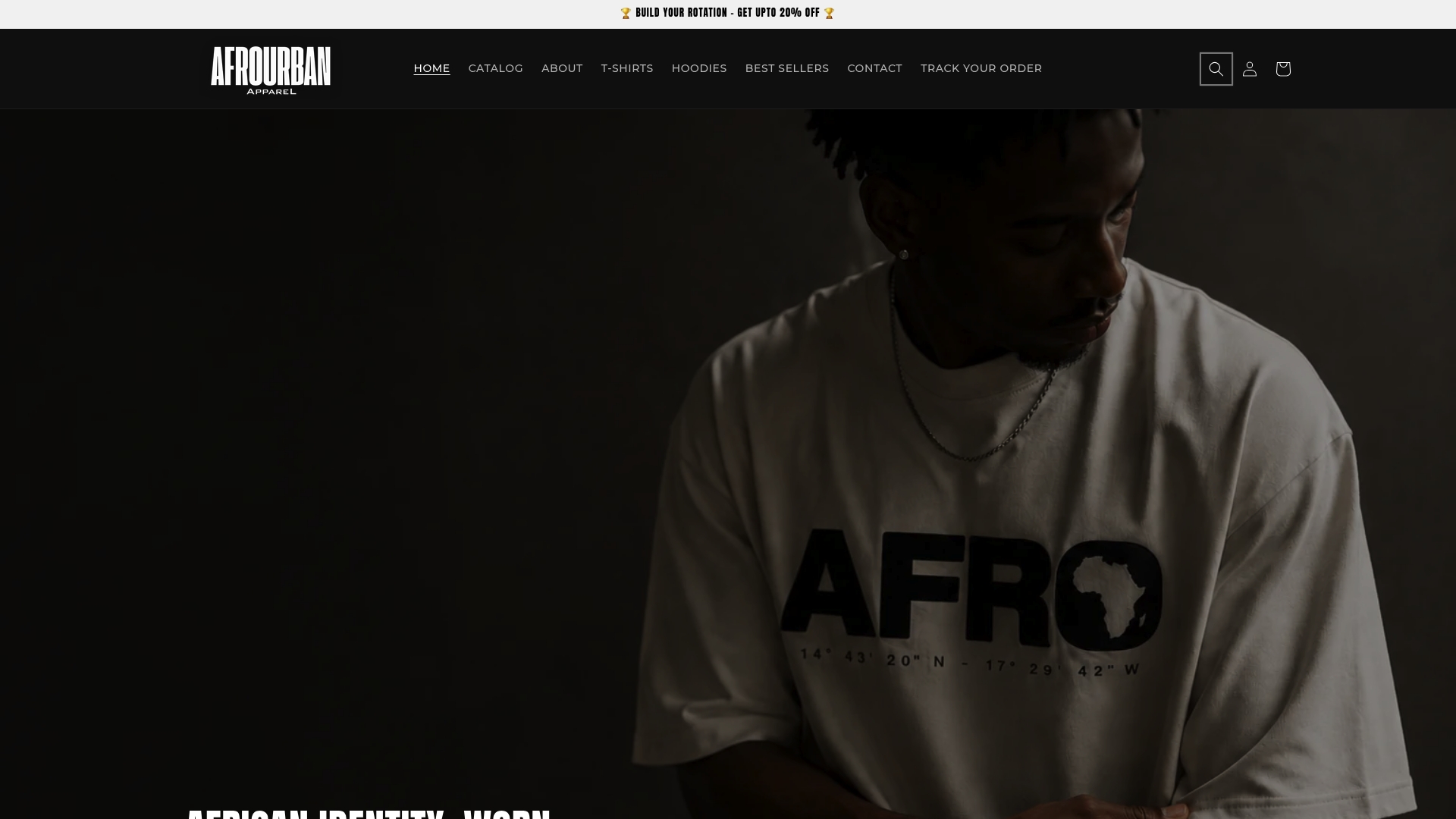
Most brands publish a size chart and call it fit guidance. Afrourbanapparel goes further: every piece comes with finished garment measurements so you can compare actual dimensions against your body before you order — no guesswork, no returns because the thigh was 2 inches narrower than expected.
The Legacy Hoodies collection is built on a relaxed block with heavyweight fleece that holds its shape and drape without reading as oversized. The shoulder seam sits correctly, the rise is generous enough for all-day comfort, and the fabric weight keeps the silhouette structured through repeated washes. For men who want a relaxed fit that looks intentional rather than accidental, that construction difference is exactly what you are paying for.
Browse the full collection at Afrourbanapparel, check the finished-dimension measurements on each product page, and pick the fit that matches your body and your style — not just the size on the label.