

Sustainable textile production means making fabric and clothing in ways that protect the environment, treat workers fairly, and keep materials in use as long as possible. It covers everything from the field where cotton grows to what happens when a garment wears out. The core idea is replacing the old “take, make, discard” model with one built around circularity: design for durability, minimize waste at every stage, and recover materials at end of life. The European Commission’s 2022 Textiles Strategy set a concrete target: by 2030, all textiles on the EU market must be durable, repairable, recyclable, largely made from recycled fibers, free of hazardous substances, and produced in compliance with social rights. That benchmark has become a reference point for the global industry, not just European brands.
What makes eco-friendly textile production genuinely different from conventional manufacturing comes down to a few non-negotiable commitments:
- Sourcing raw materials that carry a lower environmental footprint than conventional alternatives
- Using energy-efficient and low-pollution manufacturing processes
- Eliminating or recovering hazardous chemicals in dyeing and finishing
- Designing products to last longer, be repaired, and eventually be recycled
- Ensuring fair wages, safe conditions, and community respect throughout the supply chain
- Adopting circular business models such as take-back programs, product-as-service, and repair services
What materials define sustainable fabric manufacturing?
The fiber you start with shapes the entire footprint of a garment, but it is far from the only variable. Organic cotton, hemp, and linen are the most familiar natural options. Organic cotton avoids synthetic pesticides and fertilizers, while hemp requires very little water and no pesticides at all. Linen, made from flax, grows well in poor soils with minimal inputs.
The more interesting story in 2026 is what is happening with manufactured fibers. LENZING™ ECOVERO™ viscose delivers at least 50% lower carbon emissions and water consumption compared to generic viscose, using certified wood sources and a closed-loop production process. The same company’s REFIBRA™ technology incorporates up to 20% recycled textile waste into new lyocell fiber, giving post-industrial cotton scraps a second life inside a new garment. These are not marketing claims; they are verified against third-party environmental product declarations.
Recycled polyester made from post-consumer plastic bottles is now mainstream, though it still sheds microplastics during washing, which is an unresolved problem the industry is actively working on. Recycled nylon from fishing nets and fabric scraps performs similarly. The key certifications that validate these claims include:
- Global Organic Textile Standard (GOTS): Covers organic fiber content and social criteria across the full supply chain
- OEKO-TEX STANDARD 100: Tests finished products for harmful substances
- Bluesign: Focuses on resource-efficient and safe manufacturing processes
- Cradle to Cradle Certified: Evaluates material health, recyclability, and social fairness
Stat to know: LENZING™ ECOVERO™ fibers carry at least 50% lower carbon and water footprints than conventional viscose, making them one of the most measurably verified sustainable fiber options available today.
How does conventional textile production damage the environment?
Textile production accounts for about 10% of global carbon emissions and roughly 20% of industrial wastewater worldwide. Those numbers are staggering, and they come primarily from two stages: fiber production and dyeing.
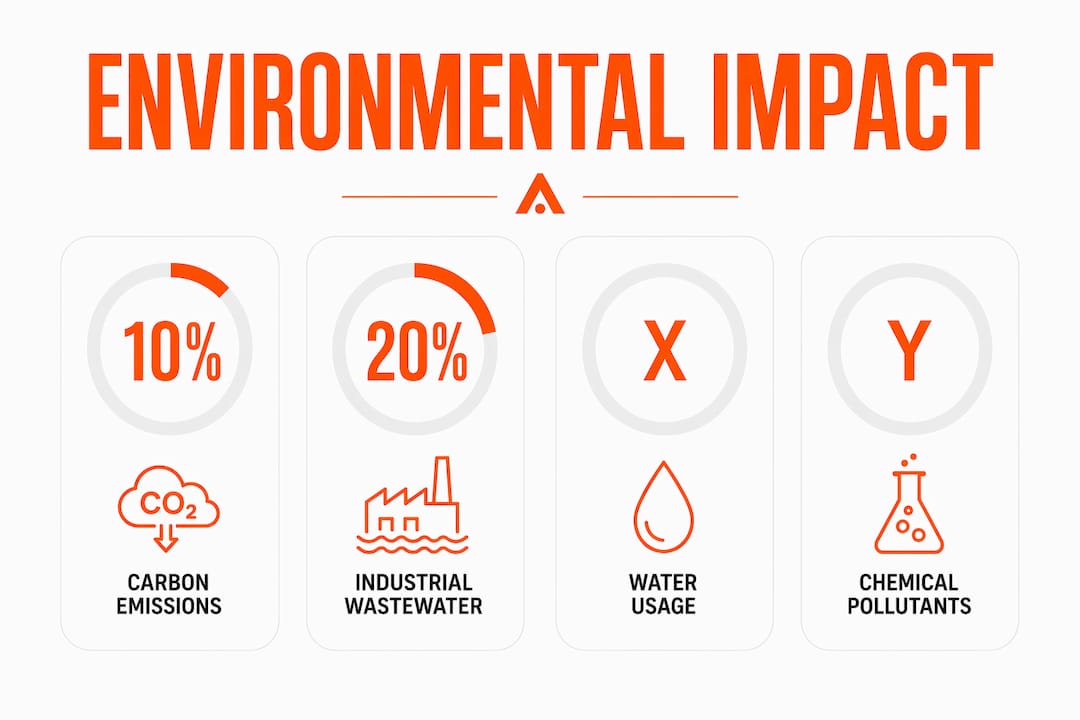
Synthetic fibers like polyester and nylon are made from fossil fuels, locking in carbon from the start. Cotton, even conventional cotton, is one of the most water-intensive crops on earth. The dyeing and fixation stage is where the damage concentrates most severely. Conventional dyeing uses enormous volumes of water, relies on petrochemical dyes and auxiliaries, and discharges toxic effluent into waterways when wastewater treatment is inadequate. Synthetic textiles also shed microplastic fibers throughout their lifecycle, from washing to wear to disposal, contributing to ocean pollution in ways that are difficult to reverse.
Mitigation strategies that actually move the needle include:
- Closed-loop water systems that recirculate and treat process water rather than discharging it
- Reactive-print technologies that apply dye only where needed, cutting water and energy use dramatically compared to conventional dyeing
- Bio-based dyes and auxiliaries validated under OEKO-TEX-listed chemistry, replacing petrochemical inputs with renewable alternatives
- On-demand production that eliminates overproduction, one of the largest sources of textile waste and unnecessary emissions
- Microplastic filters at the washing machine and wastewater treatment level, reducing ocean contamination from synthetic fabrics
Which production technologies are pushing sustainability forward?
The shift from preferred materials to preferred production systems is the defining move in sustainable fabric manufacturing right now. Choosing organic cotton over conventional cotton matters, but redesigning the entire dyeing, cutting, and finishing process matters more. Industry 4.0 tools, including digital twins, real-time sensor monitoring, and AI-driven resource management, let factories track energy and water consumption at the machine level and catch inefficiencies before they compound.
Reactive-print and digital printing technologies apply color with surgical precision, eliminating the bath-dyeing model that wastes enormous volumes of water and chemistry. Closed-loop chemistry systems capture and reuse auxiliaries rather than flushing them. Print-on-demand manufacturing takes this further by synchronizing production directly with confirmed orders, eliminating deadstock and the landfill emissions that come with it.
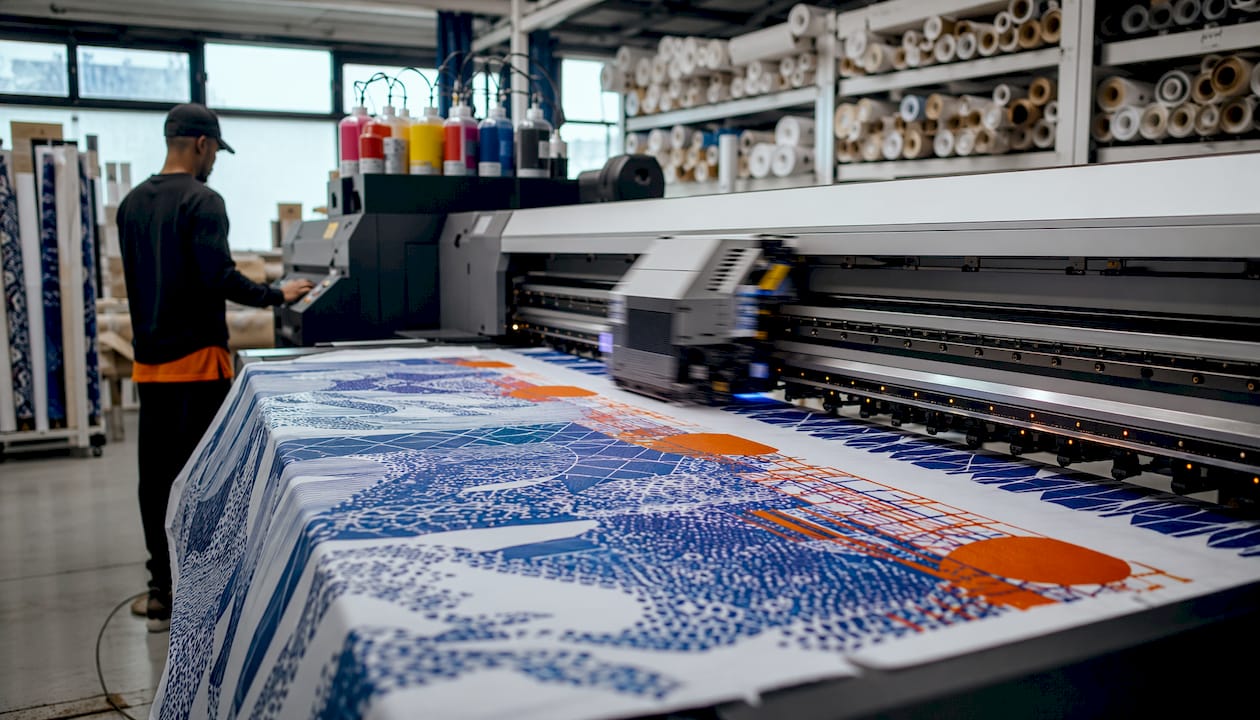
Circular business models are the structural layer on top of all this. Product-as-service models, where brands retain ownership and customers pay for use, create a financial incentive to build garments that last. Take-back and repair programs recover materials before they reach landfill. These are not niche experiments anymore; they are scaling across the industry as regulatory pressure and consumer expectations converge.
Pro Tip: Prioritizing reactive-print and closed-loop water systems in your supply chain delivers greater environmental gains than switching fiber types alone. If you are evaluating a manufacturer’s sustainability credentials, ask specifically about their dyeing and finishing processes, not just their fiber sourcing.
What challenges does the green textile industry still face?
The biggest obstacle is not technology. It is supply chain complexity. A single garment can involve fiber production in one country, spinning in another, weaving in a third, dyeing in a fourth, and final assembly in a fifth. Verifying social compliance and environmental performance across that chain requires rigorous monitoring systems like GOTS, which mandates quantified greenhouse gas tracking at every operational phase. Most brands are nowhere near that level of transparency yet.
Standardization is a related problem. Dozens of certifications exist, with overlapping and sometimes conflicting criteria. Brands can cherry-pick the easiest label and still market themselves as sustainable. The EU’s 2030 targets are pushing toward mandatory harmonized requirements, including a Digital Product Passport that would give consumers verifiable data on a garment’s materials, origin, and recyclability.
Key challenges the industry must resolve before 2030:
- Scaling fiber-to-fiber recycling beyond pilot programs to industrial volumes
- Eliminating greenwashing through mandatory, audited disclosure
- Bringing small and mid-size manufacturers into circular models without prohibitive cost barriers
- Solving the microplastic problem for synthetic textiles at scale
- Building multi-stakeholder coalitions that align brands, suppliers, regulators, and consumers
Why do ethics and culture belong at the center of sustainable textile production?
Sustainability without social justice is incomplete. The EU Strategy explicitly requires that textiles be produced in respect of social rights and the environment, treating labor standards as inseparable from environmental ones. In practice, that means living wages, safe working conditions, no forced or child labor, and freedom of association for workers throughout the supply chain.
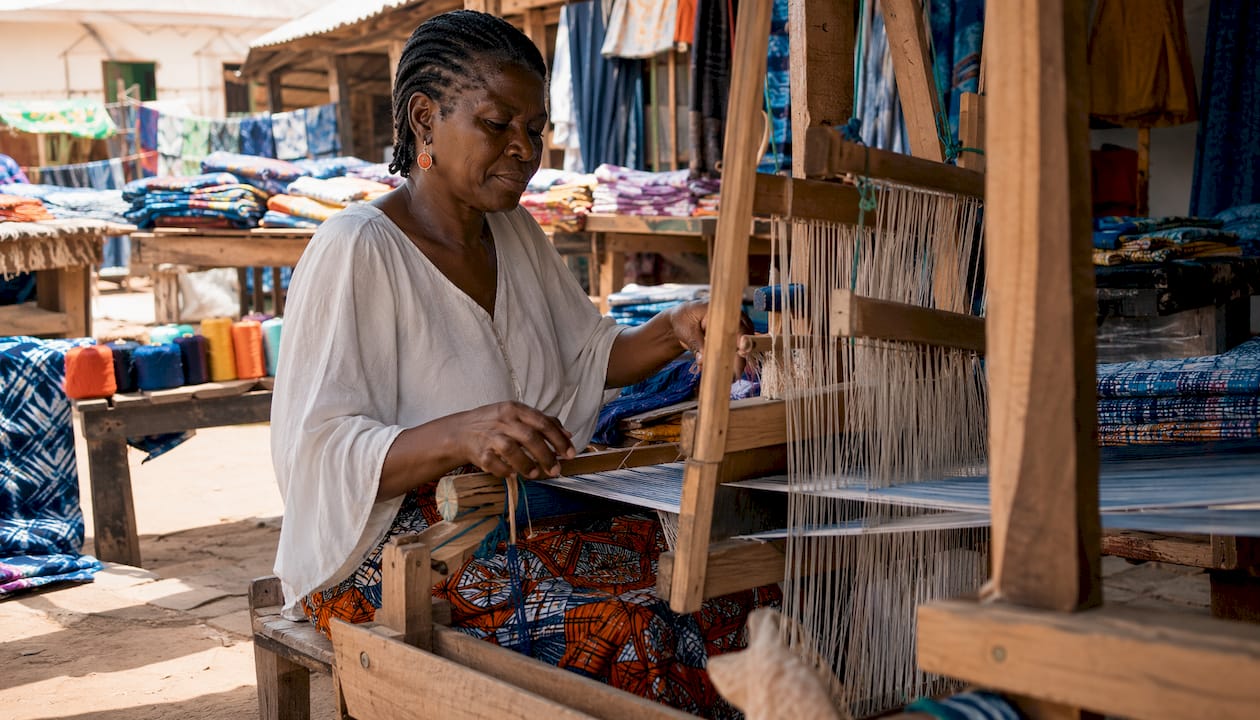
Cultural sustainability is a less-discussed dimension, but it is equally real. Textile traditions in West Africa, South Asia, and Latin America represent centuries of knowledge about natural dyes, hand-weaving techniques, and community-based production. When fast fashion appropriates these aesthetics without crediting or compensating the communities that developed them, it extracts cultural value the same way extractive industries extract natural resources. Responsible sourcing means paying fairly for both the material and the knowledge embedded in it. You can explore how African textile traditions inform contemporary sustainable design as a starting point.
Brands that take this seriously build supply chains where artisan communities retain economic agency. Afrourbanapparel operates from exactly this premise, fusing African cultural identity with modern streetwear in a way that honors heritage rather than flattening it. The brand’s commitment to heavyweight, durable fabric is itself a sustainability statement: garments built to last are garments that do not end up in landfill after three washes. Learning more about ethical fabric sourcing reveals how these principles translate into purchasing decisions.
Does sustainable production actually cost more?
The short answer is yes, upfront, and often no over time. Organic certification, fair-trade premiums, and lower-impact dyeing processes all add to the cost of goods. A garment made with GOTS-certified organic cotton and OEKO-TEX-validated chemistry will cost more to produce than one made with conventional inputs and no environmental controls.
The longer view changes the math. Durable garments reduce replacement frequency, which lowers the total cost of ownership for the consumer. Closed-loop water and chemistry systems reduce utility and waste disposal costs for manufacturers over time. Brands that build genuine sustainability credentials command price premiums and stronger customer loyalty, which offsets margin pressure. Sustainable fashion in 2026 increasingly shows that the brands absorbing higher production costs are also the ones retaining customers longest.
The economic case for circularity is also strengthening as regulatory costs rise. Extended Producer Responsibility rules in the EU will require brands to fund textile collection and recycling, making the cost of unsustainable production more visible. Brands that build recyclability into their products now will face lower compliance costs later.
Real-world examples of sustainable textile production in practice
LENZING™ ECOVERO™ and REFIBRA™: Lenzing’s fiber operations demonstrate what closed-loop manufacturing looks like at industrial scale. ECOVERO™ viscose is produced with certified renewable wood, and the process captures and reuses solvent in a closed loop. REFIBRA™ goes further, blending recycled cotton scraps with wood pulp to create new lyocell fiber, giving textile waste a verified second life rather than sending it to landfill.
Print-on-demand apparel brands: A growing number of streetwear and lifestyle brands have moved to fully on-demand production models, manufacturing only after a customer places an order. This eliminates the deadstock problem that has long plagued the fashion industry, where unsold inventory is often incinerated or landfilled. The model works particularly well for culturally specific designs with dedicated audiences, where demand is real but hard to forecast at scale.
GOTS-certified supply chains: Brands operating under full GOTS certification provide one of the most credible examples of end-to-end sustainable production. The standard requires organic fiber content, restricted chemical inputs, and verified social compliance at every tier of the supply chain, with greenhouse gas tracking built in. It is one of the few certifications that treats environmental and social criteria as equally mandatory. The slow fashion approach that many culturally grounded brands practice aligns naturally with GOTS principles: fewer collections, better materials, longer garment life.
Durable activewear manufacturing: The activewear sector has pushed hard on fabric longevity as a sustainability lever, recognizing that durable clothing that survives years of intense use is inherently more sustainable than cheaper alternatives replaced every season.
Key Takeaways
Sustainable textile production requires systemic change across materials, manufacturing processes, and business models, not just a swap to organic cotton.
| Point | Details |
|---|---|
| Fiber choice matters, but process matters more | Closed-loop dyeing and reactive-print technologies deliver greater environmental gains than switching fiber types alone. |
| LENZING™ ECOVERO™ sets a measurable standard | These fibers carry at least 50% lower carbon and water footprints than conventional viscose, with REFIBRA™ adding recycled textile waste to the mix. |
| Textile production drives 10% of global carbon emissions | The dyeing and fixation stage concentrates the most damage; targeting it first produces the fastest results. |
| Certifications like GOTS require real accountability | GOTS mandates quantified greenhouse gas tracking at every supply chain stage, not just a label on the hangtag. |
| Cultural and social responsibility are non-negotiable | Genuine sustainability includes fair wages, safe conditions, and respect for the cultural knowledge embedded in textile traditions. |
Where Afrourbanapparel fits into this picture

Afrourbanapparel builds streetwear that carries African identity into everyday life, and the brand’s commitment to heavyweight, durable fabric is a direct expression of sustainable values. Garments designed to last years rather than seasons reduce the replacement cycle that drives so much textile waste. The brand’s culturally grounded design process also resists the extractive logic of fast fashion, drawing on African heritage with intention rather than treating it as a trend to cycle through.
If you want clothing that holds its shape, honors its origins, and does not fall apart after a season, explore Afrourbanapparel’s collection and see what it looks like when identity and durability are built into the same garment.
Recommended
- Types of Ethical Fabric Sourcing in Fashion: Full Guide – Afro Urban Apparel
- African Inspired Workwear Trends 2026: Style With Purpose – Afro Urban Apparel
- African Textile Traditions Explained: A Cultural Guide – Afro Urban Apparel
- Modern African Fashion Explained: Culture Meets Style – Afro Urban Apparel