

Jewel tones, warm earths, and saturated neutrals are the color families that consistently flatter morena skin. Emerald, royal blue, burnt orange, mustard, burgundy, and deep chocolate all work because they either echo the warmth in morena undertones or create striking contrast against deeper melanin. To figure out which direction suits you best, check the veins on your inner wrist in natural light: greenish veins point to a warm undertone, bluish or purple veins point to cool, and a mix of both means neutral. That single test shapes every palette decision below.
- Emerald green
- Royal blue
- Burnt orange
- Mustard yellow
- Burgundy
- Deep chocolate / chocolate brown
Key Takeaways
Jewel tones, warm earths, and saturated neutrals are the three color families that most consistently flatter morena skin, with undertone determining which family to prioritize.
| Point | Details |
|---|---|
| Top palettes for morena skin | Jewel tones, warm earths, and deep neutrals flatter most morena subtones. |
| Undertone test | Check wrist veins in daylight: green means warm, blue/purple means cool, mixed means neutral. |
| Colors to use with caution | Pale cool pastels can wash out morena skin; swap for fuchsia, deep violet, or royal blue instead. |
| Outfit rule | Use the 60/30/10 rule with a deep neutral base and a jewel tone or earth accent at 10%. |
| Afrourbanapparel | Heavyweight tees and hoodies in royal blue, burnt orange, and chocolate brown align directly with the top morena palettes. |
Table of Contents
- What color palettes work best for morena skin?
- How do you identify your morena undertone?
- How to build outfits using these color palettes
- Which hair colors flatter morena skin?
- Colors to use with caution and better alternatives
- Practical stylist guidance on fabric, prints, and placement
- Makeup shades that enhance morena skin
- How to choose accessories that complement morena skin
- Color is identity, not just coordination
- Afrourbanapparel picks for morena skin palettes
- Sources
What color palettes work best for morena skin?
Palette Hunt makes the case clearly: subtone is the decisive variable for darker skin, and jewel tones or warm earth tones each flatter different subtones. That means “morena” is not one single palette. As Bámbola’s colorimetry guide points out, the morena spectrum covers at least multiple distinct sub-tones, each with its own suitable pairings.
Here are four curated palettes you can pull from directly when shopping.
Jewel palette
Rich, saturated gem colors that pop against deeper skin. Best for cool and neutral morena subtones.
| Color | Approx. Hex | Works well for |
|---|---|---|
| Emerald | Emerald green | Blouses, wrap dresses, scarves |
| Royal blue | Royal blue | Blazers, structured tees |
| Fuchsia | Fuchsia | Accessories, statement tops |
| Sapphire | Cobalt | Trousers, outerwear |

Warm earths palette
Grounded, sun-baked tones that mirror morena skin’s natural warmth. Best for warm subtones.
| Color | Approx. Hex | Works well for |
|---|---|---|
| Burnt orange | Burnt orange | Hoodies, casual tees |
| Mustard | Mustard yellow | Knit tops, accessories |
| Terracotta | Warm coral | Trousers, midi skirts |
| Caramel | Warm caramel | Layering pieces, bags |

Sophisticated neutrals
Deep neutrals that read richer than standard black and work across all morena subtones. LAVANI Jewels notes that white creates a strong, flattering contrast on morena skin, and navy reads warmer and more dimensional than pure black.
• Chocolate brown, ivory white, deep navy, and warm taupe are the four to build around.
- Use these as your 60% base in any outfit (more on that below).
Bright accents palette
High-energy pops for accessories or a single statement piece. Works across all subtones when kept to one item per outfit.
- Coral red, cobalt, deep violet, and warm gold.
Pro Tip: Before buying online, pull up the hex code on your phone screen and hold it near your face in daylight. It is a fast, free swatch test.
How do you identify your morena undertone?
Undertone sits beneath the surface of your skin and does not change with a tan. 2001online confirms that the veins test and the metal test are the two most reliable at-home methods.
- Veins test. Look at the inside of your wrist under natural daylight, not indoor lighting. Green or olive veins point to a warm undertone. Blue or purple veins point to cool. A mix of both means neutral.
- Metal test. Hold a gold necklace near your face, then swap it for a silver one. Gold looks more natural on warm undertones; silver flatters cool undertones. If both look equally good, you are neutral.
- White cloth test. Drape a plain white cloth or T-shirt near your face. If your skin looks yellow or golden against it, you lean warm. If it looks pink or ashy, you lean cool.
Repeat each test in daylight, not bathroom lighting. A recent tan or redness can skew the veins test, so run all three and go with the majority result.
Pro Tip: If two tests give you warm and one gives you cool, trust the two. Neutral is also a real result, and it means you can pull from both the jewel and warm earths palettes.
How to build outfits using these color palettes
For morena skin, the base should almost always be a deep neutral or a rich earth tone. The accent is where jewel tones or bright pops earn their place.
- Casual weekend: Chocolate brown wide-leg trousers (60%) + ivory tee (30%) + burnt orange sneakers or bag (10%).
- Office: Deep navy trousers (60%) + mustard blouse (30%) + gold jewelry accent (10%). For African-inspired workwear, bold prints in the 30% slot read professional when the base is a clean neutral.
- Evening: Emerald dress (60%) + gold accessories (30%) + deep chocolate heel (10%).
- Weekend layered look: Burnt orange hoodie (60%) + ivory tee underneath (30%) + cobalt cap or bag (10%).
For prints, scale matters. Large, bold motifs near the face draw attention upward and work well on morena skin because the contrast reads clearly. Small, tight prints can be muddy against deeper skin tones, especially in low-contrast colorways. Color-blocking in African fashion is another strong option: two saturated blocks with a clean edge between them create editorial depth without needing a print at all.
Which hair colors flatter morena skin?
Warm hair tones tend to add glow rather than contrast, while very cool or ashy shades can create a flat effect against morena skin.
- Warm chestnut: A rich mid-brown with red undertones. Flatters both warm and neutral subtones.
- Caramel highlights: Placed around the face, they frame features and echo the warmth in morena skin.
- Mahogany: A deep red-brown that works especially well on cool morena subtones, where the contrast between cool skin and warm hair creates dimension.
- Deep chocolate: The safest all-over choice. It adds depth without fighting the skin’s natural tone.
- Auburn accents: A few face-framing pieces in copper-auburn add warmth without committing to a full color change.
For maintenance, a weekly toning treatment keeps warm shades from going brassy. UV-protectant sprays matter more than most people realize: sun exposure fades warm pigments faster than cool ones, and morena skin often means more time outdoors. A glossing treatment every four to six weeks keeps color looking intentional rather than faded.
Pro Tip: Try a semi-permanent shade first. It lasts four to six weeks and washes out gradually, so you can test a caramel or mahogany tone before committing to permanent color.
Colors to use with caution and better alternatives
Vogue México’s styling guide is direct: pale cool pastels often wash out morena skin rather than complementing it. That does not mean avoiding light colors entirely. It means swapping the washed-out version for a richer one.
- Instead of baby pink: Try fuchsia or warm coral. Both carry enough saturation to hold their own against morena skin.
- Instead of icy lavender: Try deep violet or plum. The depth brings out the richness in darker skin rather than competing with it.
- Instead of pale beige-nude: Try warm caramel or terracotta. True nude shades that match morena skin sit in the caramel-to-bronze range, not the pink-beige range common in mass-market clothing.
- Instead of icy blue: Try royal blue or cobalt. The saturation makes the contrast work.
Fabric finish also plays a role. Matte fabrics absorb light and make colors look deeper and more grounded. Satin and high-sheen fabrics reflect light, which can make a borderline color look washed out or overly bright. When trying a new color, test it in a matte finish first.
Practical stylist guidance on fabric, prints, and placement
Fabric weight and texture change how a color reads on morena skin. Satins and high-sheen knits amplify color intensity, which works in your favor with jewel tones but can make a pale pastel look even more washed out. Textured weaves, like bouclé or ribbed knit, add visual depth that makes earth tones feel especially rich.
Print placement near the face is where most people leave value on the table. A bold print at the neckline or collar draws the eye upward and lets the color interact directly with your skin tone, which is where the flattering effect actually happens. A print buried at the hem does almost nothing for your complexion.
- Large geometric or Ankara-style motifs near the neckline: strong choice for morena skin.
- Small, tight all-over prints: better at the hem or waist than near the face.
- Solid saturated colors at the top half: the most reliable option when you want the color to do the work.
Heavyweight fabrics hold saturated colors better than lightweight ones. A royal blue in a 300-gram cotton reads richer and more intentional than the same color in a thin jersey. Afrourbanapparel’s heavyweight pieces are built for exactly this: the fabric density supports deep, saturated palettes without the color looking thin or faded after a few washes. For layering African textiles into bold looks, that weight is what makes the contrast land.
Pro Tip: When shopping online, filter by fabric weight or check the product description for GSM (grams per square meter). Anything above 250 GSM holds saturated color well.
Makeup shades that enhance morena skin
Foundation and concealer for morena skin should match the skin’s actual warmth, not neutralize it. Makeup professional Lori Taylor Davis, interviewed by Vogue México, recommends warm corals and carefully chosen golden highlighters to add healthy warmth, and advises choosing buildable, skin-matching foundations rather than shades that darken the skin artificially.
Foundations and concealers: Look for warm or golden undertone descriptors (W, WN, N) in shade names. Avoid foundations labeled “cool” or “pink” unless your undertone test confirmed a strongly cool result.
Lip colors: Warm berry, brick red, deep plum, and warm coral all work. Nude lips on morena skin should sit in the warm caramel or terracotta range. True pink nudes tend to look ashy.
Eye shadows: Warm copper, bronze, deep brown, and terracotta shadows complement morena skin without competing with it. For a bolder look, deep forest green or midnight blue on the lid creates a jewel-tone effect that mirrors the clothing palettes above.
Highlighter: Golden and bronze highlighters add warmth. Icy silver or white highlighters can look ashy on morena skin unless your undertone is strongly cool.
How to choose accessories that complement morena skin
Gold jewelry is the default recommendation for morena skin, and it holds up. Gold, whether yellow gold, rose gold, or warm brass, echoes the warmth in most morena undertones and creates a cohesive look. Silver and white gold work well on cool morena subtones, where the contrast between cool metal and warm skin creates definition rather than clash.

Eyeglass frames: Tortoiseshell, warm brown, gold-toned metal, and deep burgundy frames all complement morena skin. Avoid very pale or icy frames, which can look stark.
A burnt orange or deep violet scarf near the face brings the color palette directly into contact with your skin, where the flattering effect is most visible.
Bags and shoes: Earth tones and deep neutrals (chocolate, caramel, deep navy) work as everyday staples. A cobalt or emerald bag is a strong accent piece that works across multiple outfits in the palettes above.
For occasion-based choices: gold accessories read well in the evening and in cultural or formal settings. During the day, warm brass or matte gold hardware on bags and belts gives the same warmth without the formality.
Color is identity, not just coordination
The conventional wisdom in fashion color advice treats palette selection as a purely technical exercise: match your undertone, follow the rules, done. That framing misses something real. For people with morena skin, especially those in the African diaspora, color choices carry cultural weight that goes beyond flattery. The earths, the jewel tones, the bold contrasts that happen to be the most flattering colors for morena skin are also the colors that show up in Ankara prints, kente cloth, and West African market textiles. That is not a coincidence. Those palettes were developed over centuries by people who understood exactly how saturated color reads against deeper skin.
The practical upshot: when you wear a burnt orange hoodie or an emerald wrap dress, you are not just following a color rule. You are participating in a longer visual tradition. Fashion as cultural representation is not a special-occasion statement. It is an everyday one, and the colors that flatter you most are the ones that have always belonged to you.
Afrourbanapparel picks for morena skin palettes
The palettes in this article work best on heavyweight fabrics, and that is exactly where Afrourbanapparel’s streetwear line delivers. Their pieces are built from dense, durable cotton that holds saturated colors without fading, which means a royal blue tee stays royal blue after repeated washing, and a burnt orange hoodie keeps its depth through a full season of wear.
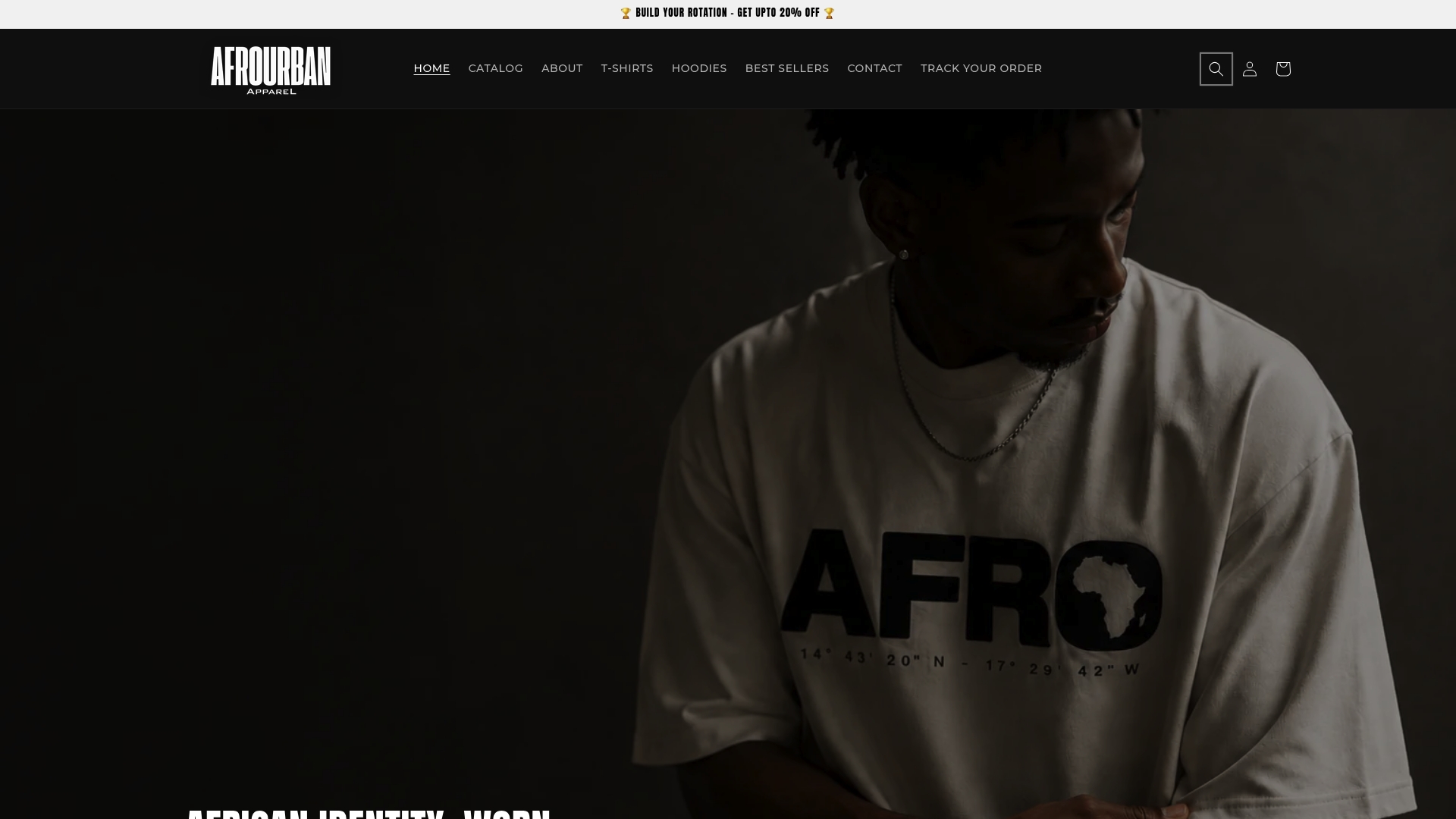
For morena skin, the strongest picks from the collection are heavyweight tees in deep royal blue or emerald, hoodies in burnt orange or chocolate brown, and embroidered pieces where the contrast stitching adds a second color accent near the neckline. Each of those choices maps directly to the jewel and warm earths palettes above. The bold prints and Afrocentric design details also place color near the face, which is where the flattering effect is strongest. Browse the full collection at Afrourbanapparel and filter by the color families that match your undertone result.
Sources
- Mejores Colores para Piel Oscura | Palette Hunt
- Colores que favorecen a las morenas: ¿cuáles son y cómo combinarlos? | Vogue México
- El poder de los tonos: cómo elegir los colores que más favorecen según la piel
- 5 TONOS DE PIEL MORENA - COLORIMETRÍA - Bámbola
Recommended
- Contemporary Afrocentric Fashion: Style, Culture, and Meaning – Afro Urban Apparel
- African Inspired Workwear Trends 2026: Style With Purpose – Afro Urban Apparel
- Natural Fiber Benefits for Streetwear: Your 2026 Guide – Afro Urban Apparel
- Layer African Textiles Into Bold Urban Looks – Afro Urban Apparel