

Yes, you can wear cultural apparel in U.S. professional settings. The key is matching your garment’s silhouette and fabric to your workplace’s formality level, not abandoning your heritage at the door.
Here’s the short version:
- Cultural and religious dress is protected expression under EEOC guidance, and most HR policies do not explicitly prohibit cultural clothing.
- SHRM’s inclusion perspective recognizes cultural dress as part of professional identity, not a deviation from it.
- Afrourbanapparel offers everyday African streetwear built for exactly this overlap: wearable, culturally grounded, and designed for daily use rather than ceremony.
- First action: scan your office’s formality level, then choose a structured silhouette in a breathable fabric. That single decision covers 80% of the work.
Table of Contents
- How to wear cultural apparel in professional settings by formality tier
- Styling rules that make cultural pieces read as professional
- Cultural garments as power-dressing tools
- How to test cultural apparel at work without the guesswork
- Fabric and care for wearing cultural pieces all day
- Outfit recipes you can copy this week
- Where to shop and why Afrourbanapparel fits the brief
- Navigating cultural bias and misunderstandings at work
- Seasonal adaptations for cultural apparel at work
- How to combine cultural and Western professional pieces
- Key Takeaways
- Why everyday cultural dressing is identity work, not a dress-up moment
- Afrourbanapparel: everyday cultural streetwear built for the week, not the weekend
How to wear cultural apparel in professional settings by formality tier
Not every workplace reads the same dress code. A structured Ankara midi-dress that lands perfectly in a creative agency might feel out of place in a federal law office. The table below maps cultural garment choices to three common U.S. office tiers.
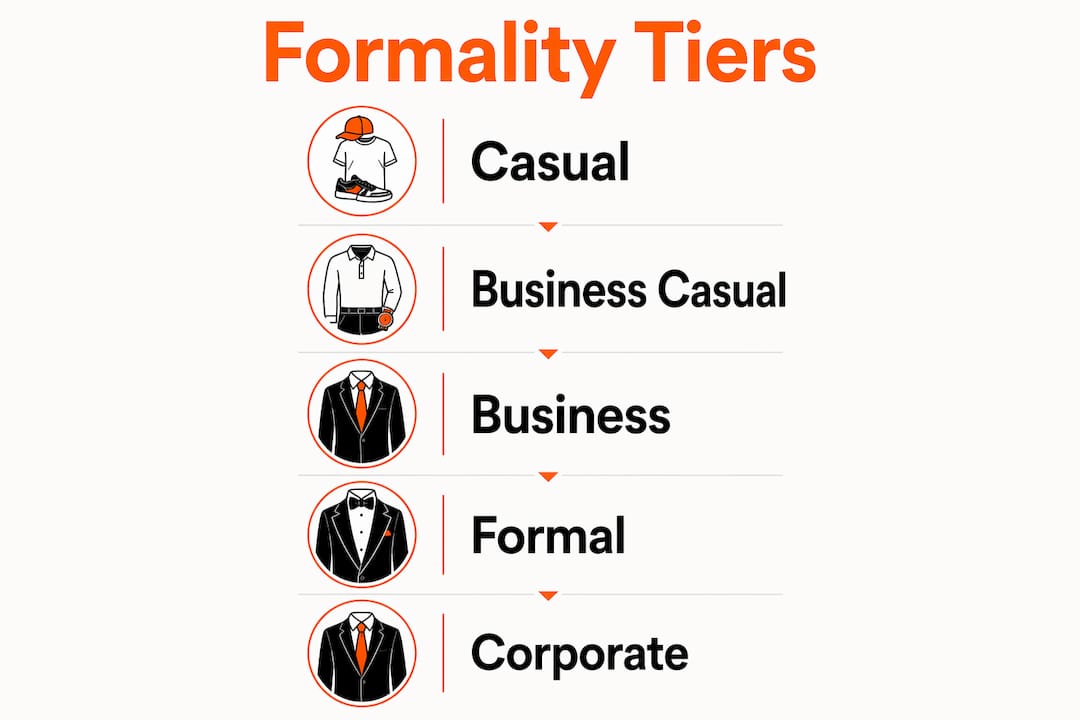
| Formality Tier | Silhouette | Color Guidance | Embellishment Level | Example Pieces |
|---|---|---|---|---|
| Business formal | Tailored, structured | Neutral, muted tones | Minimal to none | Tailored boubou, structured Agbada jacket |
| Business casual | Relaxed but fitted | Muted + one accent | Subtle print or trim | Straight kurta + trousers, Ankara A-line dress |
| Creative/startup | Expressive, layered | Bolder palette allowed | Moderate prints OK | Graphic cultural tee, printed co-ord set |
Quick environment check: Look at what senior colleagues wear on a regular Tuesday, not a casual Friday. If you see blazers and solid colors, lean structured. If you see sneakers and open collars, you have more room. Diversity signals in the office, such as visible cultural art or ERG posters, usually indicate a more accepting environment. In conservative settings, avoid heavy embroidery, ceremonial volume, or very bright prints until you have read the room.
Styling rules that make cultural pieces read as professional
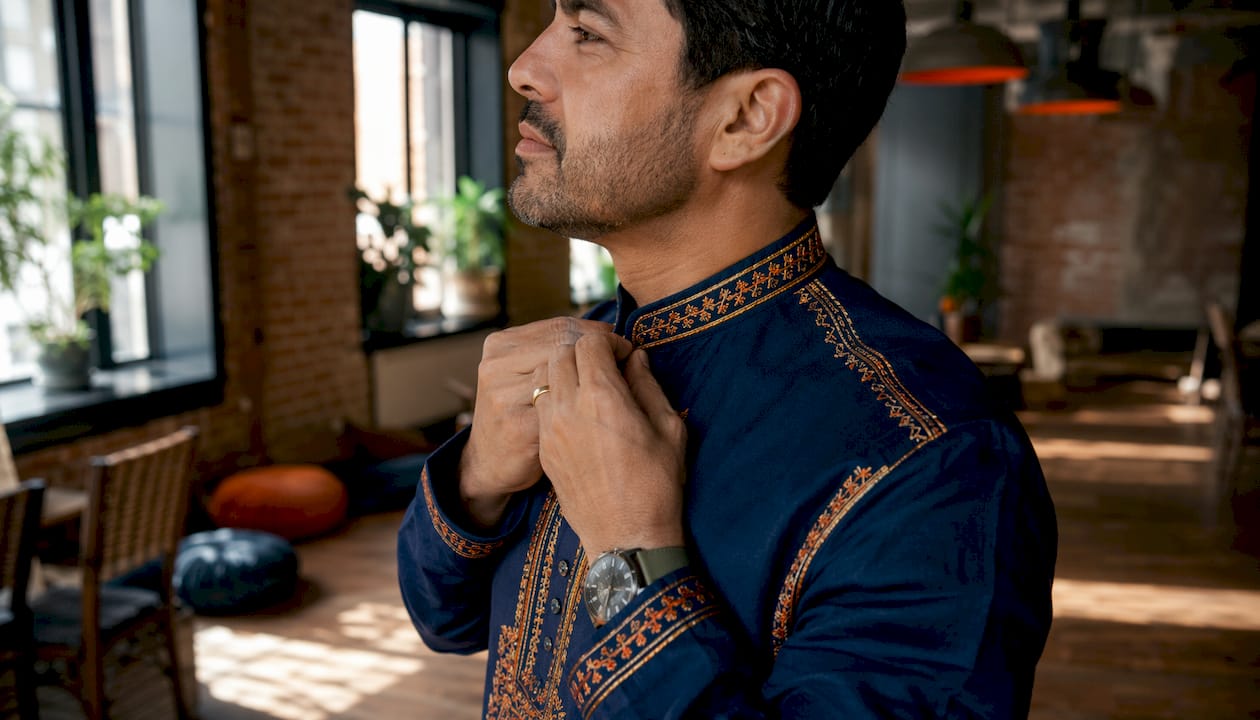
Structure and fit do more work than the garment itself. A loose, unlined boubou reads casual; the same fabric tailored at the shoulders reads authoritative.
Outfit recipes to copy:
- Tailored boubou + cigarette trousers: Choose a boubou in cotton or linen, fitted at the shoulder, worn over slim trousers. Keep jewelry to small studs.
- Collared kurta + blazer: A straight-cut kurta in a muted tone under a structured blazer reads business casual anywhere.
- Structured Ankara midi-dress: Geometric or abstract Ankara print in a sheath or A-line cut, closed-toe block heels, structured tote.
- Agbada jacket over dress shirt: Simplified embroidery, lighter fabric, neutral color. Pair with tailored trousers.
- Cultural co-ord set: Matching top and bottom in a subtle print, slim fit, minimal accessories.
Core rules:
- Prioritize fit above everything. Oversized silhouettes read sloppy regardless of the fabric.
- For a first wear, choose muted or neutral palettes. Bolder prints earn trust after colleagues see you in the role.
- Limit heavy embellishment for daily wear; save intricate beading or heavy zari for cultural events.
- Shoes: closed-toe loafers, block heels, or leather flats in neutral shades. Bags: structured, not decorative.
- Jewelry: small studs or a single delicate chain. One piece, not a stack.
Pro Tip: For video calls, structured necklines (mandarin collar, boat neck, collared) and defined shoulders read more intentional on camera than loose, flowy fits. Plan at least one video-specific outfit that keeps cultural details visible but reads clean on a small screen.
Cultural garments as power-dressing tools
The Agbada is not just ceremonial. When adapted for the boardroom with lighter fabrics, reduced embroidery, and neutral colors, it functions as one of the most commanding professional garments available. The silhouette signals presence. The cultural context signals mastery. That combination is harder to achieve in a standard suit.
“Workplace professionalism is shifting toward authenticity. Inclusion guidance now supports recognizing cultural dress as part of leadership presence, not a departure from it.” — synthesized from SHRM workplace inclusion guidance
The practical translation: choose fabric weight and embroidery level deliberately. A tailored boubou in heavyweight cotton with minimal trim reads like a power blazer. The same garment in sheer organza with gold embroidery reads ceremonial. One small material decision separates the two.
How to test cultural apparel at work without the guesswork
- Research your company’s dress code policy. Most U.S. HR policies do not explicitly ban cultural clothing. Check the employee handbook for language around “professional attire” and note whether it is descriptive or prescriptive.
- Pick a low-risk pilot day. A casual Friday or a team-only day with no client meetings is the right first test.
- Wear one cultural piece, not a full look. A cultural print shirt with tailored trousers is easier to read than a complete traditional ensemble on day one.
- Collect peer feedback informally. A simple “I’m experimenting with my style a bit” opens the door without making it a formal conversation.
- If you get questions, use a short frame: “This is a piece from West African fashion tradition. I find it comfortable and it fits the dress code.” Calm, specific, done.
- Escalate to HR only if you face a formal objection. At that point, reference EEOC protections for cultural and religious expression and ask for the specific policy in writing.
- Red flag: If a manager singles you out while colleagues in comparable attire are not addressed, document the incident and consult HR or an employment attorney.
Fabric and care for wearing cultural pieces all day
Fabric choice determines whether you feel sharp at 9 AM and still look it at 5 PM. Cotton, linen, georgette, and silk-cotton blends handle long hours well. Heavy ceremonial silks, organza, and dense zari work trap heat and wrinkle badly in a desk environment.
Practical care habits matter as much as the fabric itself. Steam, do not iron, delicate prints. Keep a travel steamer at your desk or in your bag for touch-ups before afternoon meetings. For pinned or draped garments, use fashion tape to keep everything in place through a full day of movement.
Tailoring is the single highest-return investment you can make. Adding lining, reducing volume, and structuring the shoulders on a cultural garment converts it from occasion wear to office wear. Before committing to a full workday in a new piece, sit down, stand up, and reach across a table. If anything pulls or gaps, take it to a tailor before it becomes a problem.
Pro Tip: Always test a new cultural garment through a full range of motion before wearing it to work. Sit, stand, reach, and walk. A piece that fits standing in a mirror can behave very differently after three hours at a desk.
Outfit recipes you can copy this week
Use these as a starting point, then adjust for your body proportions:
- Boardroom-ready: Tailored Agbada jacket (neutral tone, minimal embroidery) + slim trousers + leather loafers + structured briefcase. Works for client meetings and presentations.
- Business casual daily: Straight kurta in a muted print + cigarette pants + block-heel mules + small stud earrings. Rotate three color combinations across the week.
- Creative office: Ankara co-ord set in a geometric print + white leather sneakers + minimal gold ring. Bold enough to stand out, clean enough to stay professional.
- Video-call specific: Collared cultural shirt with a defined shoulder + solid-color trousers. The collar and structure read intentional on camera even when the lower half is off-screen.
Sizing notes: If a print feels overwhelming for your frame, choose a smaller repeat or a border print rather than an all-over pattern. Sleeve length at the wrist reads more formal than three-quarter length. Hemlines at or just below the knee work across most office tiers.
Where to shop and why Afrourbanapparel fits the brief
When shopping for professional ethnic attire in the U.S., read fabric labels before anything else. Look for cotton, linen, or quality blends. Check whether the brand offers a sizing chart with actual measurements, not just S/M/L. Confirm the return policy before buying online, especially for tailored or structured pieces.
Afrourbanapparel sits at the intersection of African cultural identity and everyday streetwear. The brand’s pieces use heavyweight fabrics built for durability and daily wear, not just special occasions. The design language fuses traditional African elements with modern silhouettes, which means you get cultural authenticity without the ceremonial weight that makes office wear impractical. For diaspora professionals who want to build a wardrobe with African roots that actually functions Monday through Friday, that combination is genuinely useful.
When evaluating any product page, look for multiple photos showing the garment on a body (not just flat-lay), a fabric composition listed in the description, and clear size-to-measurement conversion. If those three elements are present, you have enough information to buy with confidence.
Navigating cultural bias and misunderstandings at work
Bias exists, and pretending otherwise does not help you dress for Monday. The most common friction point is not hostility but unfamiliarity: a colleague who has never seen a boubou or a dashiki in a professional context may read it as costume rather than clothing. Your job is not to educate everyone, but a brief, confident framing goes a long way.
When someone asks about your outfit, answer specifically and move on. “This is a dashiki, a West African garment. I find it comfortable and it fits the dress code” closes the loop without turning it into a cultural seminar. Confidence in your own framing matters more than the length of your explanation.
If you encounter a pattern of comments or differential treatment, document dates, what was said, and who was present. EEOC protections cover cultural and religious expression in the workplace. Knowing that before you need it changes how you carry yourself.
Seasonal adaptations for cultural apparel at work
U.S. seasons require real adjustments. Summer in a humid city like Houston or Washington, D.C., calls for lightweight cotton or linen in lighter colorways. A breathable Ankara wrap skirt with a tucked-in cotton blouse handles heat without sacrificing the cultural element.
Fall and winter open up layering. A structured blazer over a cultural print dress, or a tailored coat over a boubou, adds warmth while keeping the look intentional. Heavier cotton and quality blends work well in cooler months without the bulk of ceremonial fabrics.
Spring is the easiest season for cultural workwear. Moderate temperatures allow mid-weight fabrics and a wider color palette without the risk of overheating or looking underdressed for cold conference rooms.
How to combine cultural and Western professional pieces
The most wearable professional looks for the African diaspora often live in the middle: one cultural piece anchored by one or two conventional Western pieces. This is not compromise. It is styling.
A few combinations that consistently work:
- Cultural print shirt + tailored Western trousers + leather Oxford shoes. The shirt carries the cultural identity; the trousers and shoes signal professional context.
- Structured blazer + cultural print skirt or trousers. The blazer reads authority; the print reads identity. Neither cancels the other.
- Conventional dress shirt + cultural print jacket or vest. Subtle, effective, and easy to adjust by removing the outer layer.
The ratio is flexible. In a creative environment, you can weight the cultural element more heavily. In a conservative setting, one cultural piece per outfit is usually the right call until you have established your presence. The goal is for the outfit to read as intentional, not assembled from two separate wardrobes.
Key Takeaways
Cultural apparel works in U.S. professional settings when silhouette, fabric, and formality are aligned, and Afrourbanapparel offers everyday pieces built for exactly that balance.
| Point | Details |
|---|---|
| Match formality first | Map your office tier (formal, business casual, creative) before choosing a cultural piece. |
| Structure beats everything | A tailored fit in any cultural garment reads more professional than a loose one in a Western suit. |
| Fabric determines endurance | Choose cotton, linen, or quality blends for all-day wear; avoid heavy ceremonial silks for daily office use. |
| Test before committing | Pilot on a low-risk day, collect informal feedback, and escalate to HR only if you face a formal objection. |
| Afrourbanapparel for everyday wear | The brand’s heavyweight, culturally grounded streetwear is designed for daily use, not ceremony, making it a practical starting point. |
Why everyday cultural dressing is identity work, not a dress-up moment
The conventional wisdom says to “ease into” cultural dressing at work, to start small, to wait until you’ve proven yourself before you show up fully. That framing puts the burden entirely on the person wearing the culture, as if the garment is the problem rather than the unfamiliarity of the observer.
The more honest framing: cultural dress is not a statement you make once. It is a daily practice of showing up as a whole person. The everyday cultural dressing argument is not about provocation. It is about refusing to partition your identity into “work self” and “real self.” When you wear a tailored boubou to a Tuesday meeting, you are not making a political statement. You are just dressed.
Pick one outfit recipe from this article and wear it on a low-risk day this week. Not to test the workplace. To test yourself, and find out how it feels to walk in fully.
Afrourbanapparel: everyday cultural streetwear built for the week, not the weekend
Most cultural fashion brands build for occasions. Afrourbanapparel builds for Tuesdays. The brand’s collection fuses traditional African design elements with modern streetwear silhouettes, using heavyweight fabrics that hold their shape through a full workday. If you’ve been looking for pieces that carry genuine cultural identity without the ceremonial weight that makes office wear impractical, this is the starting point.
The brand’s focus is diaspora professionals who want to wear their heritage daily, not save it for special occasions. Quality, cultural authenticity, and wearability are the three things customers consistently point to. Browse the full collection at Afrourbanapparel and start with one piece that fits your office’s formality tier. Wear it. Adjust. Build from there.