

What does cultural streetwear mean, exactly?
Cultural streetwear is fashion that carries identity, heritage, and storytelling as core design elements, not afterthoughts. Where conventional streetwear often chases trends, logo drops, or hype cycles, cultural streetwear integrates region-specific symbols, reinterpreted traditional garments, and community narratives directly into the fabric of the piece. The result is clothing that communicates something real about who you are and where you come from.
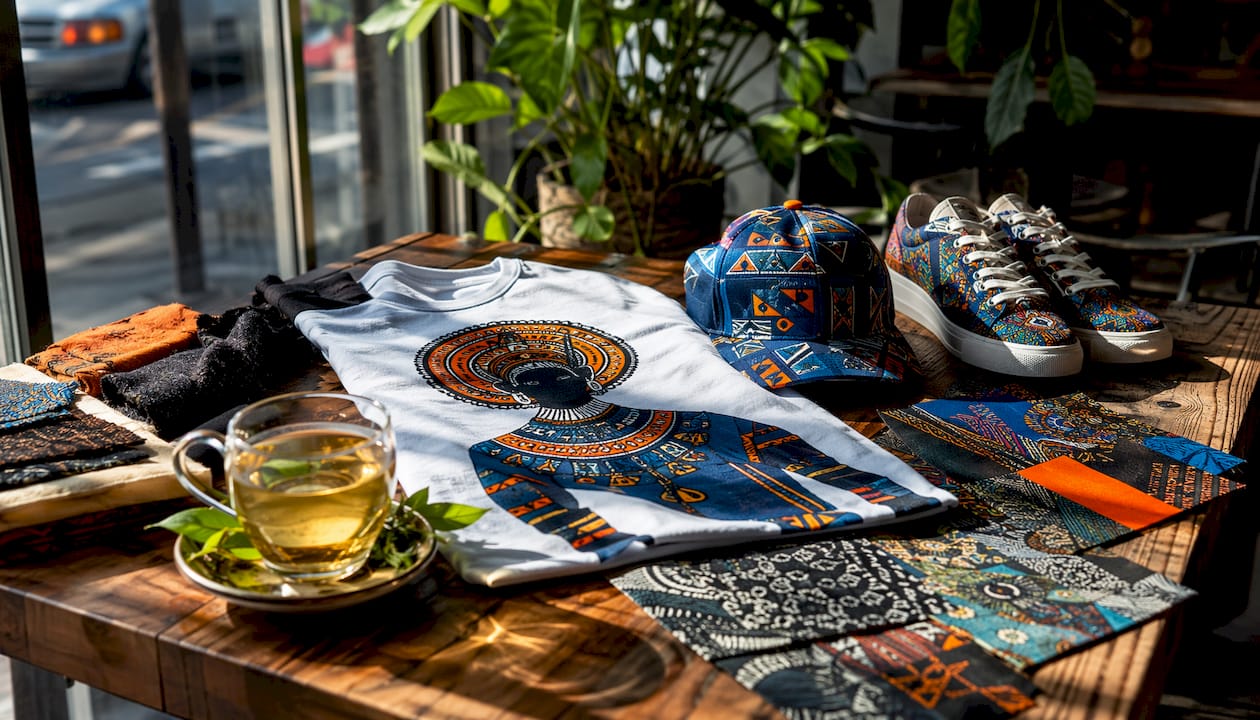
Think of it as a visual language. A graphic that draws from West African Adinkra symbols, a silhouette that echoes a traditional Hanbok collar, or a color palette rooted in a specific diaspora’s aesthetic: these choices say something before you open your mouth. Streetwear serves as non-verbal communication, using vibrant colors and bold graphics as visual badges that signal confidence, community membership, and social stance.
What separates cultural streetwear from casual fashion with decorative prints comes down to intent and depth. The design choices are grounded in lived experience, not surface aesthetics. Here is what defines the category:
- Identity emphasis: garments reflect the wearer’s cultural background, not just their taste in trends
- Storytelling: each piece carries a narrative, whether historical, political, or communal
- Cultural symbols: motifs, patterns, and color systems drawn from specific traditions or communities
- Evolved traditional garments: heritage pieces reinterpreted for daily wear, not museum display
- Visual badges of culture: in-group identifiers that signal belonging and shared values
For anyone looking to choose streetwear that reflects identity, understanding these five elements is the starting point.
Where did cultural streetwear come from?
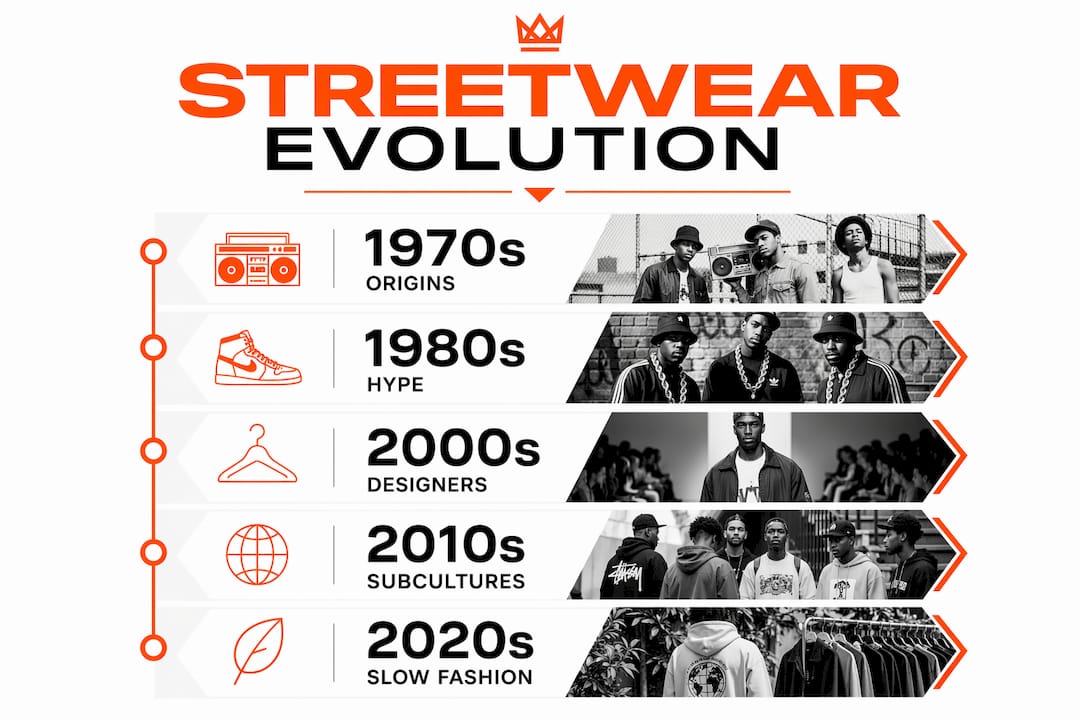
Streetwear originated in the late 1970s and early 1980s, born from the intersection of African-American and Latino hip-hop culture in New York City and the surf scene emerging from Los Angeles. Comfort, authenticity, and community identity were the founding values. Early pieces drew from punk’s DIY ethic, Japanese street fashion, and legacy sportswear brands like Adidas and Dr. Martens, creating a style that felt genuinely subcultural rather than manufactured.
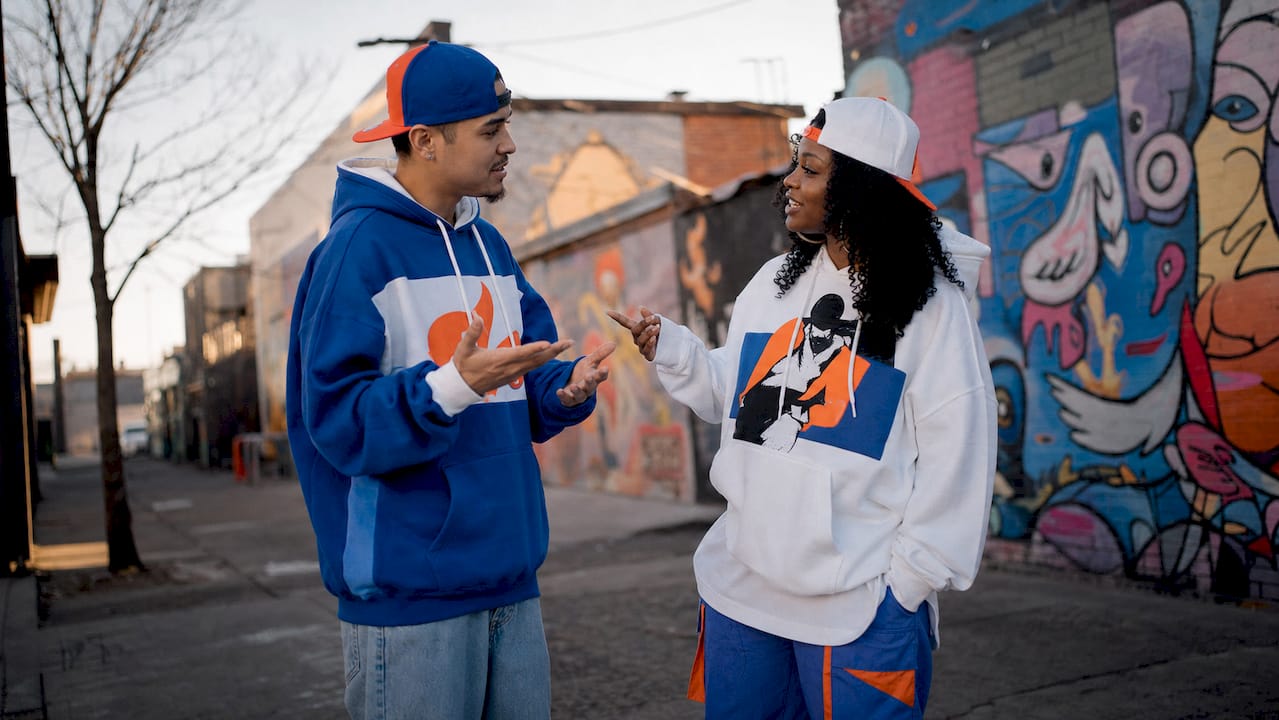
The cultural dimension deepened over decades. Limited editions and bold graphics defined early hype culture, but they also carried community stories. By the late 2010s, a noticeable shift occurred: designers from diaspora communities began centering heritage explicitly, moving the conversation from “what looks cool” to “what this means.” That shift is what produced the distinct category we now call cultural streetwear.
| Era | Key development |
|---|---|
| Late 1970s–1980s | Hip-hop and surf subcultures birth streetwear in New York and Los Angeles |
| 1980s | Skateboarding, punk, and Japanese street fashion fold into the aesthetic |
| — | Streetwear reaches global popularity; luxury brands begin collaborating |
| — | Hype culture and hypebeast identity dominate; logo-heavy drops peak |
| Late 2010s–present | Diaspora designers shift focus to heritage, identity, and cultural storytelling |
The Wikipedia entry on streetwear notes that designers like Virgil Abloh and Raf Simons shaped the evolution of streetwear through their influence on hip-hop and popular culture, helping push the form toward something with more cultural weight than a limited-release sneaker drop.
Which subcultures actually shape cultural streetwear?
No single community owns cultural streetwear. The category is a product of many overlapping influences, each contributing distinct symbols, aesthetics, and values.
Hip-hop remains the most foundational. From the Bronx block parties of the 1970s through today’s trap and Afrobeats scenes, hip-hop has always used clothing as a statement. Oversized silhouettes, gold jewelry, and specific color combinations carry meaning that goes far beyond fashion.
Skateboarding contributed the graphic tee as a canvas for subversive imagery, along with a deliberate rejection of mainstream dress codes. The skate community’s embrace of independent brands and self-made aesthetics fed directly into streetwear’s DIY spirit.
Surf culture, particularly from Southern California, introduced relaxed fits and the idea of lifestyle dressing: clothing that signals how you spend your time, not just your income bracket.
Diaspora communities are where cultural streetwear gets its most specific and powerful expressions. African, South Asian, East Asian, and Latin American diaspora designers have taken the streetwear framework and filled it with their own heritage. The results include:
- Kente cloth patterns on hoodies and joggers
- Arabic calligraphy rendered as graphic prints
- Batik-inspired dye techniques on contemporary cuts
- Traditional embroidery placed on bomber jackets and caps
Heritage and indigenous groups add another layer, using streetwear to reclaim visual symbols that have historically been misappropriated or ignored. Clothing becomes a form of cultural preservation and assertion simultaneously.
The cultural significance of streetwear is inseparable from these community roots. Strip out the subcultural context and you are left with a graphic tee. Keep it, and you have something that carries real weight.
How has cultural streetwear evolved into 2026?
The shift away from pure hype culture toward identity-driven design has accelerated sharply. Brands built entirely around logo recognition and artificial scarcity are losing ground to designers who lead with story and community. The question buyers ask in 2026 is less “is this rare?” and more “does this mean something?”
Several trends define where cultural streetwear sits right now:
- Heritage reinterpretation: traditional garment silhouettes, like the dashiki, the cheongsam, or the kurta, are being restructured into contemporary cuts without losing their original cultural logic
- Sustainable materials: diaspora designers are increasingly sourcing fabrics that connect to their regions of origin, both for environmental reasons and to strengthen the cultural narrative
- Community collaboration: collections developed with input from specific cultural communities rather than designed about them from the outside
- Niche designer visibility: social media has allowed designers from Lagos, Accra, Seoul, and Kingston to reach global audiences without needing a luxury conglomerate behind them
- Everyday wearability: cultural garments evolve rather than remain static costume, making heritage accessible for daily life rather than reserved for ceremonies
The slow fashion movement has also intersected with cultural streetwear in a meaningful way. Buying fewer, better pieces that carry genuine meaning aligns naturally with the identity-first philosophy.
Pro Tip: When building a culturally grounded wardrobe, prioritize pieces where the designer can explain the specific cultural reference behind the design. Vague “African-inspired” or “Asian-influenced” labels without specificity are a red flag.
How does cultural streetwear tell stories and shape identity?
Clothing has always been a system of expression. What cultural streetwear does differently is make that system explicit and intentional. Every design choice, from the weight of the fabric to the placement of a symbol, functions as part of a larger cultural conversation.
Designer Elon Koh of Supp Design demonstrates this through his approach to reinterpreting traditional Asian garments. Rather than replicating heritage pieces directly, Koh adjusts elements like collar construction, fabric weight, and fit to make them genuinely wearable in daily life. The goal is responsible storytelling: honoring the source material while giving it new relevance. That distinction between replication and reinterpretation is what separates cultural streetwear from costume.
“Cultural garments should evolve with the people who wear them. Keeping heritage close doesn’t mean freezing it in time — it means letting it live in the present.” — Elon Koh, Supp Design
Successful cultural streetwear uses symbols, slang, and color palettes as in-group identifiers that increase cultural capital signaling. When someone who shares your background sees a specific Adinkra symbol on your jacket or a particular shade of indigo that references a regional dyeing tradition, the recognition is immediate and meaningful. It creates connection without requiring explanation.
The concept of internal alignment matters here. Authenticity in cultural streetwear comes from the designer’s genuine relationship to the culture being expressed, not from surface-level aesthetics. Deep design insights show that reinterpretation works best when the designer adjusts elements thoughtfully, preserving cultural logic while updating form. Wearing a piece built on that kind of care feels different from wearing a trend.
How Afrourbanapparel brings African heritage into everyday wear
Afrourbanapparel was built on a specific conviction: African identity belongs in daily life, not just on special occasions. The brand fuses traditional African cultural motifs with contemporary streetwear construction, using premium heavyweight fabrics that hold up to everyday wear while carrying designs rooted in African visual traditions.
The design philosophy mirrors what the best cultural streetwear does everywhere: it reinterprets rather than replicates. African geometric patterns, color systems drawn from specific regional traditions, and symbolic motifs appear in cuts and constructions that work for a college campus, a city commute, or a weekend gathering. The cultural reference is present and legible, but the garment is fully functional as modern apparel.
“Identity should be woven into daily life rather than reserved for special occasions.” — Afrourbanapparel
Customers of Afrourbanapparel, many of them diaspora individuals navigating the gap between their heritage and their daily environment, report high satisfaction with the authentic representation the brand delivers. The quality of the fabric and the specificity of the cultural references are consistently cited as what sets the pieces apart from generic “African-inspired” fashion. For the African diaspora in the United States, finding clothing that reflects identity without requiring a special event to justify wearing it fills a real gap.
The brand’s African luxury streetwear approach also speaks to a broader shift in how diaspora communities think about fashion investment: buying pieces that mean something, built to last, rather than chasing seasonal trends with no cultural grounding.
How cultural streetwear changed mainstream fashion
The impact of cultural streetwear on mainstream fashion has been direct and lasting. Luxury houses that once operated in a completely separate universe from street-level style have spent the past two decades absorbing streetwear’s visual language, production strategies, and community-driven marketing. The “drop” model, where limited quantities release on a specific date to drive demand, came directly from streetwear culture and is now standard practice across price points.
Collaborations between streetwear designers and luxury brands accelerated this crossover. Pharrell Williams and Nigo’s Billionaire Boys Club merged Japanese street fashion with American streetwear and pushed both into high fashion visibility. Virgil Abloh’s work at Louis Vuitton brought a streetwear sensibility to one of the world’s most recognizable luxury houses. These weren’t just aesthetic borrowings; they were structural changes to how fashion operates.
Cultural streetwear specifically pushed mainstream fashion toward acknowledging the communities it had long drawn from without credit. The global sneaker market, valued at approximately $85 billion in 2022 and projected to reach $120 billion by 2026, reflects how deeply street-level culture has shaped what the entire fashion industry sells. Diaspora designers gaining mainstream visibility has also forced larger brands to move beyond surface-level “diversity” toward actual cultural specificity in their collections.
The ways streetwear shapes cultural narratives now extend into advertising, music video aesthetics, and even corporate dress codes loosening to accommodate streetwear-adjacent styles. What started in the Bronx and South Central Los Angeles now sets the visual tone for global youth culture.
Cultural appropriation and the controversies around cultural streetwear
The same mainstream adoption that amplified cultural streetwear also created its most persistent controversy. When brands without genuine cultural connection adopt symbols, patterns, or garment forms from specific communities, the result is appropriation: taking the aesthetic while ignoring or erasing the source.
The distinction between appropriation and appreciation is not always clean, but a few markers help. Appropriation typically involves a brand or designer profiting from a cultural symbol they have no real relationship to, often without crediting or compensating the originating community. Appreciation involves genuine engagement, transparent attribution, and often collaboration with community members.
Several high-profile cases have made this tension visible. Fashion houses have faced backlash for using Native American headdresses as runway props, for selling “tribal” prints with no specific cultural attribution, and for marketing garments that closely resemble traditional African or Asian dress without acknowledging the source. The communities whose cultures were borrowed from rarely saw financial benefit.
For buyers, this creates a practical question: how do you choose streetwear that reflects identity authentically rather than accidentally participating in appropriation? The answer usually comes down to who made it and why. Brands like Afrourbanapparel, where the cultural connection is the founding premise and the designers share the heritage they are expressing, offer a clear alternative to the appropriation pattern. Culturally grounded streetwear from within the community it represents carries a different weight than the same aesthetic produced by an outside brand chasing a trend.
Streetwear’s cultural identity dimension also means that authenticity signals matter to buyers in ways they did not a decade ago. Wearing a piece that carries real cultural meaning, made by people with genuine connection to that meaning, is a different act than wearing a graphic that borrowed the look without the substance.
Key Takeaways
Cultural streetwear is fashion built on identity and heritage, not trends, and its influence on both personal expression and mainstream fashion continues to grow in 2026.
| Point | Details |
|---|---|
| Core definition | Cultural streetwear integrates identity, heritage, and storytelling into apparel design using community symbols and reinterpreted traditional garments. |
| Historical roots | Streetwear originated in late 1970s and 1980s hip-hop and surf subcultures before diaspora designers shifted it toward explicit cultural expression. |
| Storytelling function | Symbols, color palettes, and design choices act as in-group identifiers and visual language, communicating cultural belonging without words. |
| Mainstream impact | The global sneaker market reflects streetwear’s deep commercial influence. |
| Appropriation vs. authenticity | Culturally grounded streetwear made by designers with genuine heritage connection differs fundamentally from surface-level aesthetic borrowing by outside brands. |